Exploring the vibrant world of LEGO creators opens up a realm where imagination meets craftsmanship. These passionate builders don’t just follow instructions—they innovate, transforming simple bricks into stunning works of art.
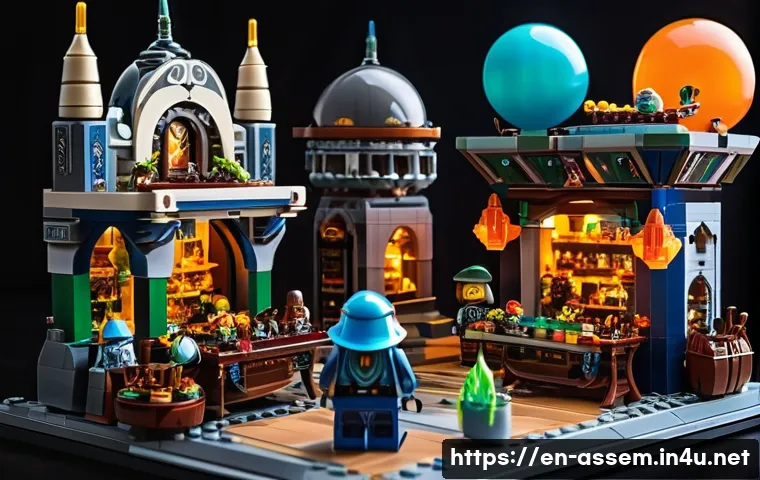
Whether you’re a casual fan or a dedicated enthusiast, diving into this community reveals inspiring stories and creative techniques that push the boundaries of what LEGO can become.
From intricate cityscapes to whimsical characters, every creation tells a unique tale. Ready to uncover the magic behind these masterpieces? Let’s dive deeper and discover what makes the LEGO creator community so extraordinary!
The Artistry Behind Custom LEGO Builds
Innovative Techniques Beyond the Instruction Manual
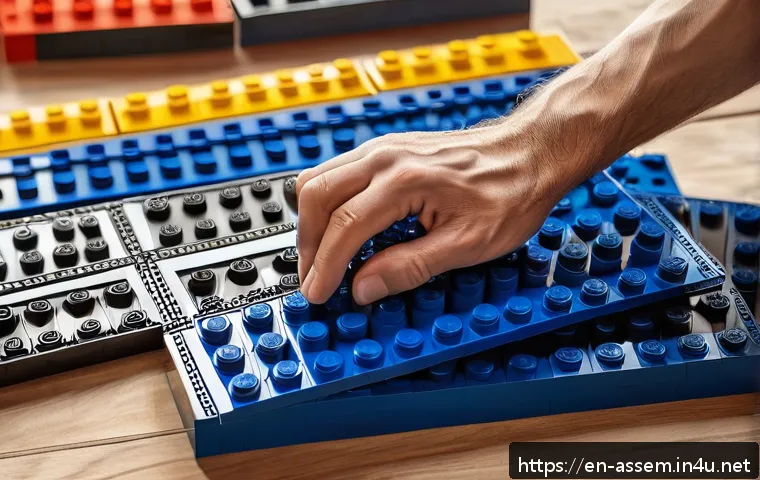
Many LEGO creators don’t settle for the standard builds found in official sets. Instead, they experiment with advanced techniques like SNOT (Studs Not On Top), which allows bricks to be oriented in unconventional ways, giving their models smoother surfaces and intricate details.
From my own experience, mastering these methods takes patience and a willingness to break away from traditional building habits. Watching a creator seamlessly blend different colors and brick types to mimic real-world textures—like wood grain or stone facades—is nothing short of mesmerizing.
This innovative approach transforms ordinary bricks into lifelike scenes and figures that seem to leap off the baseplate.
Miniature Details That Tell a Story
One thing that always strikes me about top-tier LEGO builds is the attention to tiny details. Creators often incorporate small accessories, stickers, or even custom decals to add personality and realism.
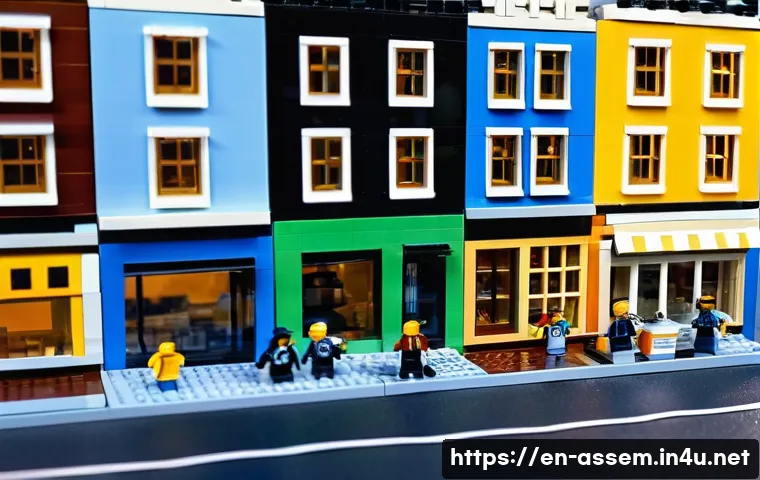
For example, a cityscape might feature tiny street signs, newspaper stands, or even a coffee cup left on a park bench, all crafted from the smallest pieces.
These little touches don’t just enhance the visual appeal—they invite viewers to imagine the stories behind each scene. This storytelling aspect elevates LEGO building from a simple pastime to a form of narrative art.
Color Coordination and Palette Choices
Color plays a crucial role in the visual impact of any LEGO masterpiece. Skilled builders carefully select palettes that complement each other, sometimes using muted tones for a vintage look or bright, contrasting colors for whimsical designs.
From personal projects, I’ve learned that experimenting with unexpected color combinations can breathe new life into a classic theme. Understanding how different shades interact when placed side by side is almost like painting with bricks, requiring a keen eye and a sense of harmony to create a visually cohesive piece.
Building Community Through Shared Passion
Online Platforms as Creative Hubs
One of the most inspiring aspects of the LEGO creator world is how digital communities have flourished. Websites like Flickr, Instagram, and dedicated forums such as Eurobricks or Reddit’s LEGO subreddit serve as vibrant meeting points where builders share photos, techniques, and feedback.
I personally find that scrolling through these feeds sparks my own creativity, as people from around the globe showcase everything from massive castle replicas to tiny, quirky robots.
These platforms foster collaboration and friendly competition, pushing creators to continually refine their skills.
Local Meetups and LEGO Conventions
While online interaction is powerful, nothing beats the energy of in-person events. LEGO conventions and local fan meetups provide an opportunity to see incredible builds up close and to exchange tips face-to-face.
Attending one of these events, I was blown away by the diversity of styles and ideas—from steampunk-inspired machines to hyper-realistic vehicles. These gatherings often feature workshops and guest speakers, which not only educate but also build lasting friendships within the community.
The sense of camaraderie and mutual respect is palpable, making these events a highlight for many enthusiasts.
Collaborative Projects and Group Builds
Many creators enjoy collaborating on large-scale projects that would be too complex for one person to tackle alone. Group builds allow for a pooling of ideas, skills, and resources, resulting in spectacular displays like sprawling cities or detailed fantasy worlds.
In one community project I followed, dozens of builders contributed modular sections that fit together seamlessly, showcasing a remarkable level of coordination and shared vision.
These collaborations often serve as a testament to the power of teamwork and collective imagination in the LEGO world.
Mastering the Craft: Tools and Materials
Essential Tools Every Builder Should Have
While LEGO bricks themselves are the stars, certain tools can greatly enhance the building experience. Brick separators are invaluable for dismantling complex sections without damaging pieces or fingernails—a lesson I learned the hard way during a lengthy rebuild.
Precision tweezers help with placing tiny elements, especially in micro-scale builds, while sorting trays keep bricks organized by color or shape, saving hours of digging through piles.
These small investments not only make the process smoother but also more enjoyable.
Custom Elements and Aftermarket Parts
Beyond official LEGO pieces, many creators turn to custom decals, 3D-printed parts, or third-party accessories to achieve unique effects. For instance, custom-printed tiles can add intricate signage or logos, while 3D printing allows for shapes that LEGO doesn’t produce.
However, integrating these elements requires skill to maintain the cohesive look of a build. From personal trial, I found that blending custom parts sparingly ensures they enhance rather than detract from the overall aesthetic.
Choosing the Right Baseplates and Display Options
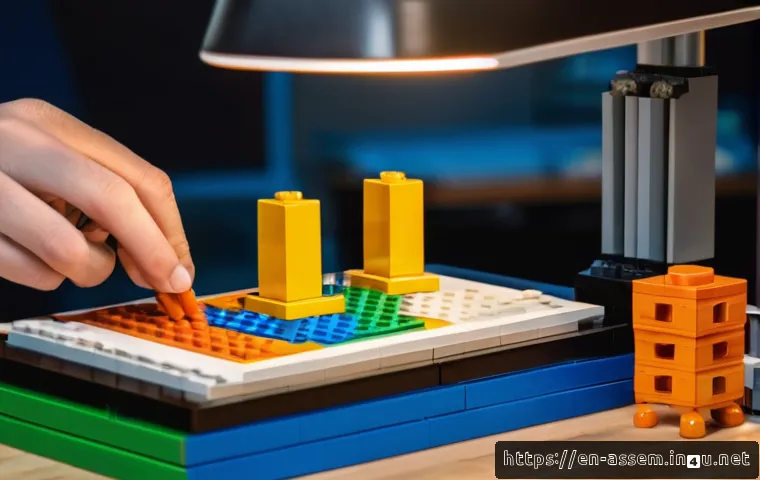
A sturdy baseplate is crucial for large or intricate models. Builders often select sizes and colors that complement their themes, such as green for natural landscapes or gray for urban scenes.
Displaying finished works also involves thoughtful planning—some creators build custom cases with lighting to showcase their pieces, while others prefer open shelves for easy access and interaction.
I’ve noticed that a well-chosen display setup can elevate the appreciation of a model, making it a centerpiece rather than just a collection of bricks.
Techniques for Creating Realistic Textures and Structures
Using Brick Layering to Simulate Surfaces
One technique I find fascinating is the strategic layering of bricks to mimic textures like brick walls, cobblestones, or wooden planks. By offsetting tiles or plates slightly, builders can create shadows and depth that bring flat surfaces to life.
This method demands a good understanding of how light interacts with shapes, and experimenting with different layers can yield surprising realism. It’s a subtle art that turns a simple wall into a tactile experience.
Incorporating Minifigures to Add Life
Minifigures are not just toys; they’re characters that animate a scene. Positioning them thoughtfully—whether engaged in an activity or interacting with the environment—adds dynamism and narrative context.
I’ve seen builds where minifigs are cleverly used to express humor or emotion, like a tiny firefighter rescuing a cat or a street musician playing a guitar.
These vignettes invite viewers to pause and imagine the moments unfolding within the LEGO world.
Balancing Scale for Cohesive Builds
Maintaining consistent scale is a challenge, especially when combining different elements. Some builders choose micro-scale to fit entire cities on a small table, while others go for minifigure scale to focus on detailed interiors.
From my observations, the key is to decide early on the intended scale and stick with it throughout the project to avoid awkward proportions. When done right, the scale helps immerse the audience, making the scene believable and engaging.
Popular Themes and Their Unique Appeal
Urban Landscapes and Cityscapes
City-themed builds remain among the most popular due to their endless variety and relatable settings. From bustling streets to serene parks, creators capture the vibrancy of urban life.
I particularly admire builds that incorporate public transportation systems, detailed storefronts, and realistic infrastructure. The challenge lies in balancing complexity with playability, and many builders succeed by modularizing their designs, allowing sections to be rearranged or expanded.
Fantasy and Sci-Fi Worlds

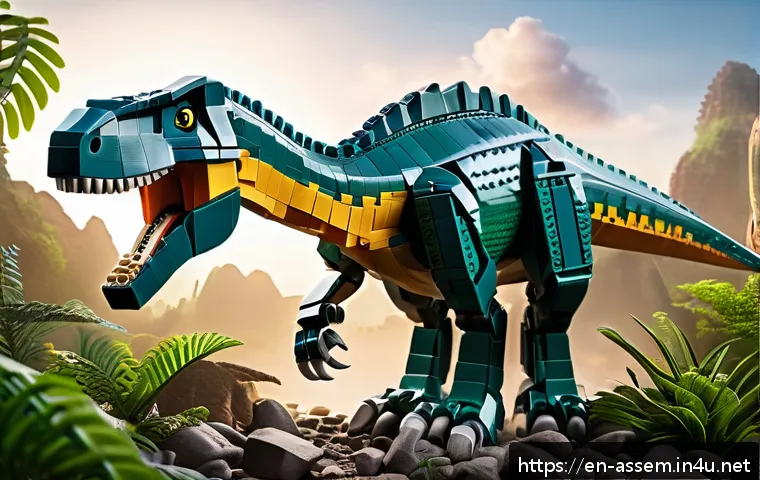
Fantasy and science fiction themes open the door to limitless creativity. Dragons, spaceships, and mythical castles allow builders to stretch their imaginations and invent new building techniques.
I once came across a LEGO diorama depicting an alien marketplace with glowing elements and moving parts, which was both intricate and whimsical. These genres encourage experimentation with unconventional shapes and colors, often resulting in breathtaking and otherworldly scenes.
Vehicles and Machines
Vehicles—ranging from classic cars to futuristic hovercraft—offer a perfect playground for combining engineering with aesthetics. Many builders focus on realistic mechanics like working steering or suspension.
Personally, I’ve enjoyed designing custom motorcycles, where the challenge is to create sleek, recognizable shapes with limited brick sizes. The intersection of function and form in vehicle builds provides a satisfying technical challenge that many creators relish.
Understanding the Impact of LEGO on Creativity and Learning
Fostering Problem-Solving Skills
Building with LEGO is more than just fun; it’s a powerful exercise in problem-solving. Creators constantly face challenges like structural stability, piece limitations, or design coherence.
Navigating these obstacles requires critical thinking and adaptability. From my own projects, I’ve noticed that the trial-and-error process sharpens spatial reasoning and patience, skills that translate well beyond the hobby.
Encouraging Collaborative Learning
LEGO communities and group projects promote collaborative learning where members exchange ideas and techniques. This environment nurtures communication and teamwork, especially in larger builds.
For example, working together on a modular city layout requires coordination on color schemes, architectural styles, and connection points. Such collaboration fosters social skills and a sense of shared accomplishment.
Inspiring STEM Education Through Play
Many educators use LEGO to introduce STEM concepts in an engaging way. Building complex structures teaches engineering basics, while programming LEGO robotics offers hands-on coding experience.
I’ve seen workshops where kids design bridges or simple machines, discovering principles of physics through play. This blend of creativity and science makes LEGO a versatile tool for lifelong learning.
| Aspect | Key Benefits | Examples |
|---|---|---|
| Innovative Techniques | Enhances realism and complexity | SNOT building, layering, custom decals |
| Community Engagement | Inspires creativity and collaboration | Online forums, conventions, group builds |
| Tools & Materials | Improves building efficiency and detail | Brick separators, custom parts, baseplates |
| Theme Variety | Expands creative possibilities | Urban landscapes, fantasy worlds, vehicles |
| Educational Impact | Develops problem-solving and STEM skills | Workshops, robotics, collaborative projects |
The Role of Storytelling in LEGO Creations
Building Worlds with Narrative Depth
Storytelling breathes life into LEGO builds by transforming static models into immersive worlds. Many creators develop backstories for their scenes—whether it’s a bustling marketplace in a medieval kingdom or a futuristic colony on Mars.
These narratives add emotional weight and invite viewers to engage beyond mere aesthetics. When I crafted a small detective’s office, I found myself inventing character histories that influenced every detail, from the clutter on the desk to the arrangement of clues.
Using Minifigures as Characters
Minifigures serve as the actors in these LEGO stories. Their poses, outfits, and accessories convey emotions and relationships. I’ve seen creators use custom printing to give their characters unique identities, complete with facial expressions and costumes that match the setting.
These personalized minifigs help viewers connect with the scene on a human level, making the build feel alive and relatable.
Interactive Builds That Encourage Exploration
Some builders design their creations to be interactive, allowing others to explore different parts or even rearrange sections. This hands-on storytelling approach invites engagement and imagination.
For example, a modular house might reveal detailed interiors or hidden compartments that tell different parts of a story. I’ve found that such interactive models foster a deeper appreciation and encourage repeat visits to the build, increasing overall enjoyment.
Challenges and Rewards of Advanced LEGO Building
Overcoming Design and Structural Challenges
Advanced LEGO building often involves complex engineering to ensure stability and durability. Large-scale models can be surprisingly heavy and fragile, requiring internal supports or clever connection methods.
From personal attempts, I know how frustrating it can be to rebuild a section multiple times to achieve both strength and aesthetic appeal. However, the satisfaction that comes from solving these problems makes the effort worthwhile.
Time Commitment and Patience
Creating detailed LEGO masterpieces demands a significant investment of time and patience. Builders often spend weeks or even months perfecting a single project.
I’ve found that breaking the work into manageable sessions helps prevent burnout and keeps motivation high. The journey from initial concept to finished model is as rewarding as the final reveal, offering countless moments of learning and discovery.
Recognition and Sharing Accomplishments
Sharing completed works with the community brings a deep sense of accomplishment. Positive feedback and constructive criticism motivate builders to push their limits further.
Posting photos online or displaying models at events also opens opportunities for networking and even commercial ventures, such as selling custom kits or tutorials.
This recognition validates the passion and skill invested in each build, fueling continued creativity.
Conclusion
Custom LEGO building is a captivating blend of creativity, technical skill, and storytelling. It goes far beyond simply following instructions, inviting builders to innovate and express themselves in unique ways. Whether working solo or collaborating with others, the journey of crafting intricate models offers endless opportunities for learning and personal growth. Embracing the challenges and sharing accomplishments makes the LEGO experience truly rewarding.
Useful Information to Remember
1. Advanced techniques like SNOT and brick layering add realism and detail that elevate your builds beyond the basics.
2. Engaging with online communities and attending local events can inspire creativity and foster valuable connections.
3. Investing in essential tools such as brick separators and sorting trays improves efficiency and enjoyment.
4. Thoughtful color choices and scale consistency are key to creating visually appealing and cohesive models.
5. LEGO building supports problem-solving and STEM skills, making it both a fun hobby and an educational tool.
Key Takeaways
Mastering custom LEGO building requires patience, creativity, and a willingness to experiment with new techniques. Leveraging community support and using the right tools can greatly enhance the process. Prioritizing storytelling and attention to detail transforms simple brick assemblies into immersive worlds. Ultimately, the satisfaction comes not just from the finished product but from the learning and collaboration along the way.
Frequently Asked Questions (FAQ) 📖
Q: What makes the LEGO creator community different from just regular LEGO building?
A: The LEGO creator community goes way beyond following the instructions that come with a set. These builders are true artists who innovate by combining bricks in unexpected ways, creating original designs that showcase their creativity and craftsmanship.
It’s about storytelling through LEGO—whether it’s a sprawling cityscape or a quirky character, each build reflects a personal vision and technical skill.
Being part of this community means sharing ideas, learning new techniques, and constantly pushing the limits of what’s possible with those little bricks.
Q: How can someone new to LEGO building get involved with the creator community?
A: Jumping into the LEGO creator world is easier than you might think! Start by exploring online platforms like forums, social media groups, and fan websites where builders share their projects and tips.
Try recreating simple builds or customizing existing sets to get comfortable with design and building techniques. Attending local LEGO fan events or joining LEGO user groups can also be a great way to meet others and get inspired.
The key is to experiment, ask questions, and share your own creations—even if they’re small at first, the community is super welcoming and supportive.
Q: Are there any tools or resources that can help improve my LEGO building skills?
A: Absolutely! Aside from the endless inspiration from other builders, there are plenty of digital tools and guides to boost your skills. Programs like LEGO Digital Designer or third-party apps allow you to experiment with building virtually before buying bricks.
Many creators share tutorials and step-by-step guides on YouTube or blogs, which can teach you advanced techniques like SNOT (Studs Not On Top) building or creating realistic textures.
Personally, I found that combining hands-on building with online resources helped me develop my style much faster than just building from sets alone.