In today’s fast-paced world, fostering creativity and critical thinking in young minds has never been more important. As technology and innovation continue to shape our future, STEAM education stands at the forefront of preparing tomorrow’s leaders.
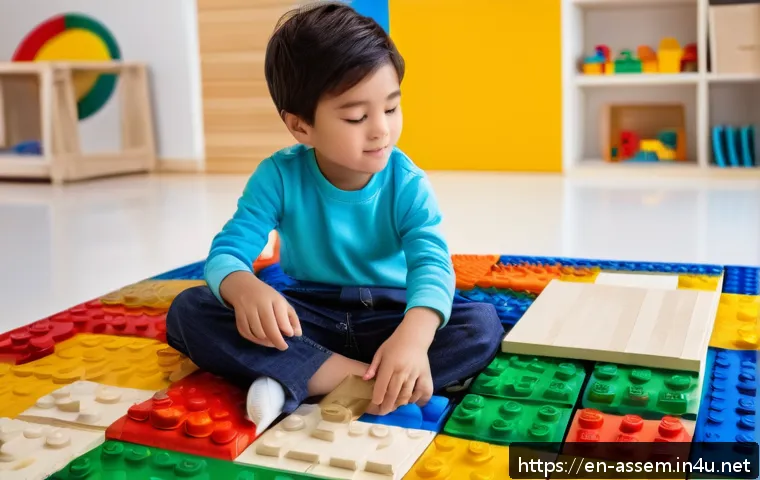
LEGO, a beloved brand for generations, is now redefining play by seamlessly integrating Science, Technology, Engineering, Arts, and Math into engaging learning experiences.
From hands-on building to problem-solving challenges, LEGO empowers kids to explore and innovate in ways that truly stick. Let’s dive into how this iconic toy is unlocking the full potential of STEAM learning for the next generation of innovators.
Unlocking Curiosity Through Play
Building Confidence One Brick at a Time
When kids dive into LEGO sets, they’re not just stacking blocks—they’re constructing confidence. Each successful build, no matter how small, gives a genuine sense of accomplishment.
I’ve seen children light up when they figure out a tricky connection or complete a model without help. This hands-on success translates into a mindset where they’re willing to tackle bigger challenges, inside and outside the classroom.
The tactile nature of LEGO means kids learn by doing, which is far more effective than passive listening.
Encouraging Questions and Exploration
LEGO play naturally sparks curiosity. When a tower falls or a mechanism doesn’t work, kids begin to ask “why” and “how.” This inquisitive behavior is the bedrock of critical thinking.
From my own experience, children often start experimenting with different configurations, testing hypotheses like little scientists. This trial-and-error process isn’t just fun; it’s essential for developing problem-solving skills that will serve them in every aspect of life.
Fostering Imagination Beyond Instructions
While LEGO sets come with instructions, the real magic happens when kids break free from the manual. Imagination takes center stage as they create original designs, combining pieces in unexpected ways.
I’ve watched kids invent entire stories around their creations, blending art and engineering seamlessly. This blend of creativity and technical skills nurtures flexible thinking, an asset that’s crucial in today’s rapidly evolving world.
Bridging Art and Engineering
The Artistic Side of STEAM
Many people don’t realize how much art is involved in building with LEGO. Color choices, symmetry, and aesthetics all come into play, making each creation visually appealing.
From my observations, children who engage with LEGO often develop an eye for design and detail. This artistic element enhances spatial reasoning and helps kids appreciate the beauty in structure and function.
Engineering Concepts Made Tangible
LEGO kits often introduce fundamental engineering principles like balance, tension, and load distribution. Kids gain an intuitive understanding of these concepts without ever opening a textbook.
For example, when building bridges or vehicles, they learn about stability and mechanics firsthand. I’ve found this experiential learning to be far more impactful than abstract lessons, as it connects theory with real-world application.
Creative Problem Solving Through Design
Designing with LEGO requires kids to think critically about how parts fit together and how to achieve a specific goal. This iterative design process mirrors what engineers and artists do in their fields.
From my experience, children become adept at visualizing problems and experimenting with solutions, skills that are invaluable in both academic and personal pursuits.
Enhancing Collaboration and Communication Skills
Teamwork in Building Projects
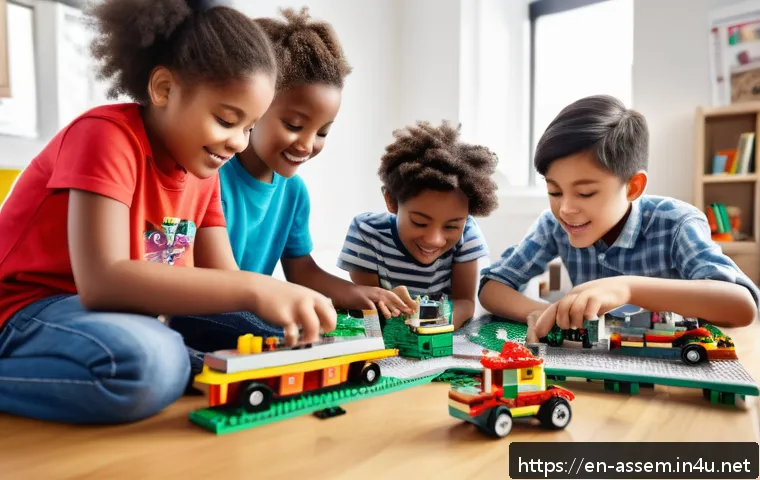
LEGO encourages cooperative play, where kids share ideas, negotiate roles, and combine efforts. I’ve noticed that group builds teach patience and listening—qualities often overlooked but essential for effective teamwork.
When children work together on a LEGO project, they practice articulating their thoughts clearly and respecting others’ perspectives.
Expressing Ideas Through Creation
LEGO models become a medium for storytelling and presenting ideas. Kids learn to explain their designs and the reasoning behind them, honing their verbal communication skills.
In my observations, this form of expression builds confidence in public speaking and clarity of thought, especially when children present their projects to peers or family.
Conflict Resolution in Play
Group LEGO activities sometimes bring up disagreements about design choices or strategies. Navigating these conflicts helps kids develop negotiation and compromise skills.
I’ve seen how resolving such disputes constructively can build emotional intelligence and resilience, preparing children for social dynamics beyond playtime.
Integrating Technology Seamlessly
Introducing Coding with LEGO Robotics
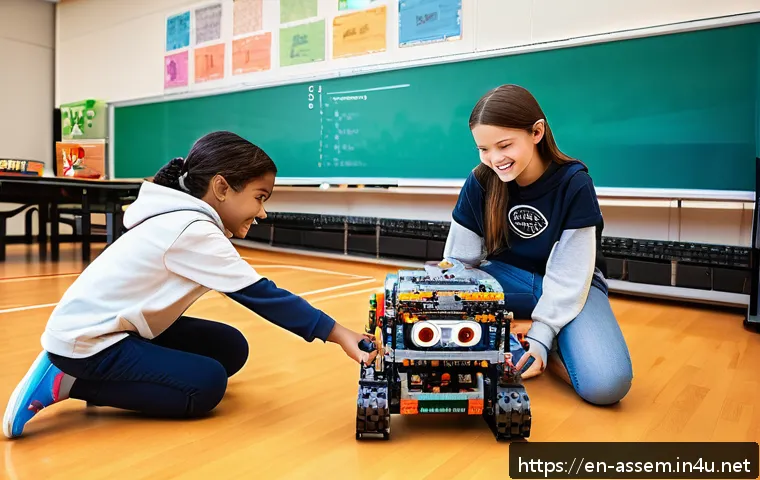
The rise of LEGO robotics kits, like Mindstorms and SPIKE Prime, brings coding to life in a tangible way. Kids program their robots to perform tasks, blending creativity with computational thinking.
From my experience, seeing a robot respond to their commands motivates children to learn programming languages and logic more eagerly than traditional methods.
Hands-On Learning with Sensors and Motors
Incorporating sensors and motors into LEGO creations adds a new dimension to learning. Children experiment with cause and effect, automation, and feedback loops, all critical concepts in modern technology.
I’ve found that this practical exposure demystifies complex ideas and makes STEM subjects more accessible and enjoyable.
Encouraging Future-Ready Skills
By engaging with technology through LEGO, kids build foundational skills for careers in engineering, computer science, and design. The interactive nature of these kits fosters adaptability and innovation, qualities employers highly value.
I’ve noticed that early exposure to such tools sparks sustained interest in STEM fields, setting kids up for success in a tech-driven future.
Developing Mathematical Thinking Naturally
Counting, Sorting, and Pattern Recognition
LEGO bricks come in various shapes and sizes, offering endless opportunities for practicing math basics. Kids count pieces, sort by color or type, and recognize patterns during assembly.
From what I’ve seen, these activities reinforce number sense and categorization skills in a playful context, making math feel less intimidating.
Exploring Geometry Through Construction
Building with LEGO exposes children to geometric shapes and spatial relationships. They learn about symmetry, angles, and proportions intuitively as they create structures.
I’ve noticed that this hands-on engagement with geometry helps kids visualize concepts that are often abstract in textbooks, deepening their comprehension.
Measurement and Estimation Skills
Estimating how many bricks are needed or measuring lengths during a build introduces practical math applications. Kids practice precision and develop a sense of scale.
In my experience, these skills transfer to everyday tasks and academic challenges, reinforcing the relevance of math beyond the classroom.
Encouraging Lifelong Learning Habits
Building Persistence Through Challenges
LEGO projects often involve trial and error, teaching kids to persevere through setbacks. I’ve seen children develop grit as they troubleshoot and refine their designs, learning that failure is part of growth.
This resilience is a cornerstone of lifelong learning and success.
Nurturing a Growth Mindset
By celebrating small wins and viewing mistakes as opportunities, LEGO play fosters a mindset geared toward improvement. Kids become more willing to take risks and embrace new challenges.
From my observations, this attitude leads to greater academic achievement and personal fulfillment.
Instilling Joy in Discovery
The playful nature of LEGO keeps learning fun and engaging. Kids associate education with enjoyment, which encourages curiosity and continuous exploration.
I’ve found that this positive connection to learning sparks a passion that lasts well into adulthood.
| STEAM Area | Skills Developed | LEGO Activities |
|---|---|---|
| Science | Inquiry, Hypothesis Testing, Experimentation | Exploring mechanical functions, testing structures |
| Technology | Coding, Automation, Problem Solving | Programming robots, integrating sensors and motors |
| Engineering | Design, Stability, Mechanics | Building bridges, vehicles, and complex machines |
| Arts | Creativity, Aesthetics, Storytelling | Customizing designs, color coordination, imaginative play |
| Math | Counting, Geometry, Measurement | Sorting bricks, constructing geometric shapes, estimating quantities |
Supporting Diverse Learning Styles
Visual and Kinesthetic Engagement
LEGO naturally appeals to visual learners through colorful bricks and spatial arrangements. At the same time, the hands-on nature supports kinesthetic learners who thrive by touching and manipulating objects.
I’ve noticed that this dual engagement helps children grasp concepts more deeply than traditional lecture-based methods.
Encouraging Independent and Group Learning
Whether working solo or with peers, LEGO offers flexible learning opportunities. Independent projects foster self-motivation and focus, while group builds enhance social skills and collaboration.
From my experience, this balance allows kids to develop a broad range of competencies tailored to their personalities.
Adapting to Different Skill Levels
LEGO sets come in varying complexities, making them accessible to a wide age range and skill sets. Beginners can start with simple builds, while advanced learners tackle intricate models or robotics challenges.
I’ve seen this adaptability keep kids engaged and continuously growing without frustration or boredom.
Inspiring Future Innovators Through Play
Real-World Applications of Skills
The skills children develop with LEGO directly translate to future academic and career pursuits. Problem-solving, creativity, and technical knowledge are foundational for innovators in any field.
From my observations, kids who engage deeply with LEGO often express greater confidence in tackling real-world challenges.
Connecting Passion with Purpose
LEGO play encourages children to pursue interests that excite them, whether it’s engineering, art, or coding. This connection between passion and purpose fosters motivation and lifelong engagement.
I’ve witnessed kids transform hobbies into meaningful projects, fueling their ambition and creativity.
Building a Foundation for Lifelong Innovation
By nurturing curiosity, resilience, and collaboration, LEGO sets the stage for continuous learning and innovation. The playful exploration becomes a mindset that drives future breakthroughs.
In my experience, these early experiences shape not just skills but also attitudes that define successful innovators.
In Conclusion
LEGO play offers much more than simple entertainment—it builds essential skills that shape confident, creative, and resilient learners. Through hands-on exploration, children develop critical thinking, collaboration, and a passion for discovery. Embracing this playful learning approach can truly unlock their potential for future success.
Helpful Information
1. LEGO encourages problem-solving by letting kids experiment with trial and error, fostering resilience and creativity.
2. Integrating technology like LEGO robotics introduces coding and engineering concepts in an engaging, accessible way.
3. Playing with LEGO supports diverse learning styles, making it ideal for visual, kinesthetic, independent, and group learners alike.
4. The combination of art and engineering in LEGO nurtures both creativity and technical skills simultaneously.
5. Early LEGO experiences help children develop lifelong habits of curiosity, persistence, and collaboration that are vital in any field.
Key Takeaways
LEGO is a powerful tool that blends play with education, promoting STEAM skills naturally and enjoyably. It builds confidence through hands-on success, encourages questioning and exploration, and fosters creativity beyond instructions. Collaboration and communication grow as children work together, while technology integration prepares them for a digital future. Finally, LEGO supports a wide range of learning styles and skill levels, inspiring a lifelong love of learning and innovation.
Frequently Asked Questions (FAQ) 📖
Q: uestionsQ1: How does LEGO support the development of critical thinking skills in children?
A: LEGO encourages kids to think critically by presenting open-ended building challenges that require planning, testing, and revising their designs. When children experiment with different ways to construct models or solve problems, they naturally develop problem-solving strategies and learn to analyze outcomes.
From my experience, watching kids adjust their creations after trial and error showcases how LEGO fosters persistence and logical thinking in a fun, hands-on way.
Q: In what ways does LEGO integrate the
A: rts into STEAM education? A2: LEGO goes beyond just science and engineering by incorporating creativity and artistic expression into its sets and activities.
The Arts component appears through designing colorful, imaginative models and storytelling elements that spark emotional and visual creativity. Personally, I’ve noticed how kids get deeply engaged when they combine technical building with artistic touches, like customizing characters or creating themed scenes, making learning multidimensional and more meaningful.
Q: Can LEGO effectively prepare children for future technology careers?
A: Absolutely. LEGO’s focus on technology and engineering skills, such as coding with LEGO Mindstorms or building robotics, introduces children to foundational concepts early on.
These experiences build confidence and curiosity about how things work, which are essential for tech careers. From what I’ve seen, kids who engage regularly with LEGO’s tech-oriented kits often develop a strong interest in STEM fields and gain problem-solving skills that transfer well to real-world technology challenges.