Every great creation starts with a spark of inspiration, and LEGO is no exception. From humble beginnings as a simple wooden toy to becoming a global phenomenon, LEGO has inspired creativity in millions around the world.
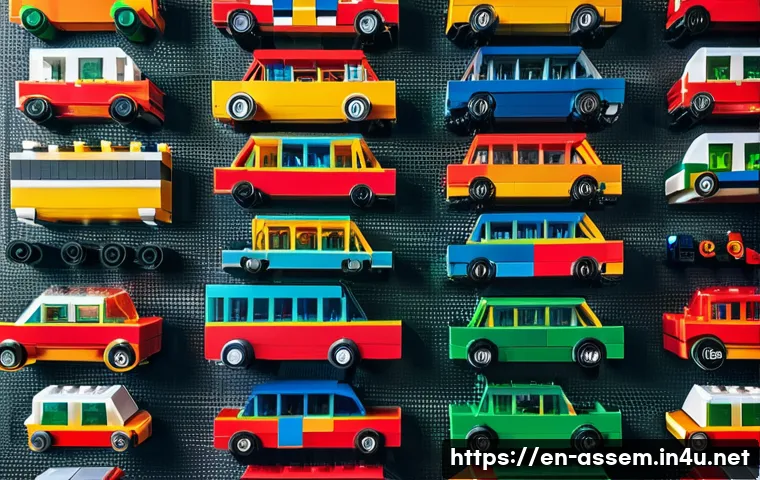
Its journey is filled with fascinating stories of innovation, imagination, and the relentless pursuit of fun. Whether you’re a lifelong fan or just curious about what makes LEGO so special, understanding its inspiration story adds a whole new layer of appreciation.
Let’s dive in and explore the magic behind the bricks in detail!
The Roots of LEGO’s Creative Vision
From Carpenter’s Workshop to Toy Empire
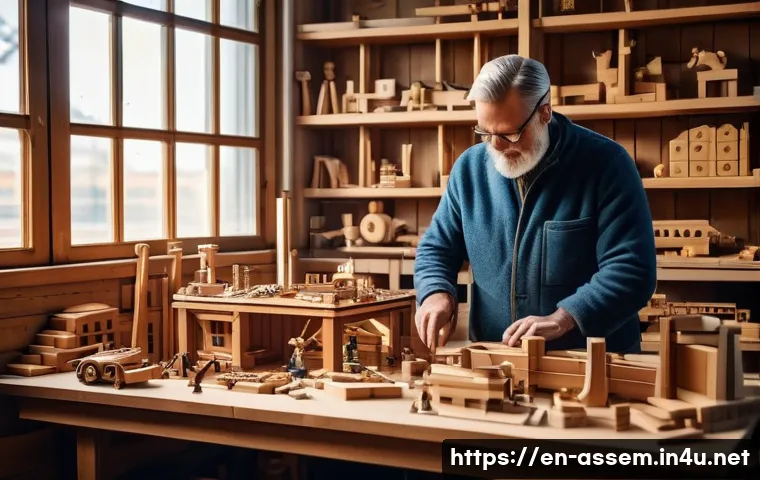
Long before LEGO bricks clicked together in children’s hands worldwide, it all began in a small Danish carpenter’s workshop. Ole Kirk Christiansen, a humble craftsman, originally made wooden toys to bring joy during tough economic times.
His dedication to quality and creativity laid the foundation for what would become a global icon. What’s fascinating is how his simple wooden blocks evolved step by step, reflecting a passion not just for business but for inspiring imagination.
This hands-on approach, rooted in craftsmanship, still influences LEGO’s design philosophy today, proving that a strong foundation in quality and care can lead to timeless innovation.
The Birth of the Interlocking Brick
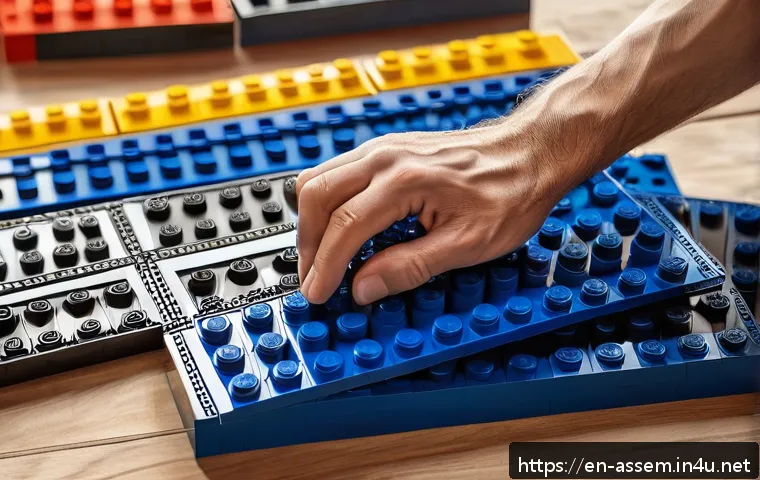
The breakthrough came in the late 1940s when LEGO introduced the now-famous interlocking brick system. This wasn’t just a toy; it was a revolutionary concept that allowed endless combinations and encouraged open-ended play.
The design was inspired by earlier ideas but perfected with precision molding and clutch power that made bricks snap together firmly yet remain easy to separate.
It’s remarkable how this simple mechanism unlocked a world of creativity and problem-solving for kids and adults alike. The interlocking brick is a testament to the power of thoughtful engineering married with creative potential, and it’s still the heart of LEGO’s magic.
How Early Challenges Shaped LEGO’s Identity
The journey wasn’t smooth sailing. LEGO faced financial struggles and skepticism about plastic toys replacing wood. Yet, these challenges pushed the company to innovate relentlessly.
The shift from wood to plastic was a bold move, and the commitment to quality control was unmatched. This period taught LEGO the importance of resilience and adaptability, values that resonate in its product lines and corporate culture.
When you hold a LEGO set, you’re touching decades of trial, error, and unwavering belief in the power of creativity.
Design Philosophy That Sparks Imagination
Open-Ended Play and Learning
LEGO’s design is built around the concept of open-ended play, meaning there’s no single way to build or use the bricks. This philosophy encourages kids to experiment, fail, and try again, fostering critical thinking and creativity.
I’ve seen firsthand how children and adults alike get lost in the process of building their own worlds, stories, and inventions. The flexibility of LEGO bricks transcends age and skill level, making it a truly inclusive toy that grows with you.
This approach also aligns with educational goals, as it promotes STEM learning subtly through play.
Balancing Simplicity and Complexity
One of LEGO’s genius moves is catering to a wide spectrum of builders. From simple Duplo blocks for toddlers to intricate Technic sets for advanced users, LEGO scales complexity without losing the essence of fun.
This balance means there’s always a challenge to match your mood or skill level. Personally, I find this variety keeps the experience fresh—sometimes I want to build a quick car, other times a detailed architectural model.
LEGO’s ability to cater to such diverse interests is a huge part of its lasting appeal.
Incorporating Storytelling Through Themes
Beyond bricks, LEGO’s themed sets—like Star Wars, Harry Potter, and City Life—add layers of narrative and engagement. These themes tap into popular culture and personal interests, making the creative process even more immersive.
When I build a set tied to a beloved movie or story, it feels like stepping into that universe, sparking new ideas and memories. This storytelling element makes LEGO more than just a toy—it becomes a bridge to worlds both real and imagined.
Community and Collaboration: The Heartbeat of LEGO
The Rise of Adult Fans and Builders
While LEGO started as a children’s toy, the adult fan community has grown into a vibrant and influential group. Known as AFOLs (Adult Fans of LEGO), these enthusiasts bring a new level of passion and creativity to the hobby.
I’ve interacted with many who spend hours designing custom models, sharing ideas online, and even influencing official LEGO sets. This community aspect showcases how LEGO transcends age and becomes a lifelong creative outlet.
It’s inspiring to see how adults rediscover the joy of building and share it with others.
Collaborative Projects and User-Generated Content
LEGO’s openness to fan ideas and collaborations has fueled innovation and inclusion. Platforms like LEGO Ideas allow fans to submit designs that can become official products, democratizing creativity.
I once backed a project through this platform and experienced the thrill of contributing to the LEGO universe. This two-way relationship strengthens loyalty and keeps the brand fresh with diverse perspectives.
It’s a brilliant strategy that turns consumers into co-creators.
Events and Social Spaces for Builders
LEGO conventions, exhibitions, and local build clubs provide physical spaces where fans connect and share their passion. These events foster a sense of belonging and inspire new ideas through collaboration.
Attending one of these gatherings feels like stepping into a buzzing creative hub where everyone speaks the same language of imagination. Such social experiences deepen the emotional connection to LEGO and encourage continuous engagement.
Innovations That Keep LEGO Ahead
Technological Integration and Digital Play
LEGO hasn’t shied away from embracing technology, blending physical bricks with digital experiences. Products like LEGO Boost and Mindstorms combine coding and robotics with traditional building, opening new educational frontiers.
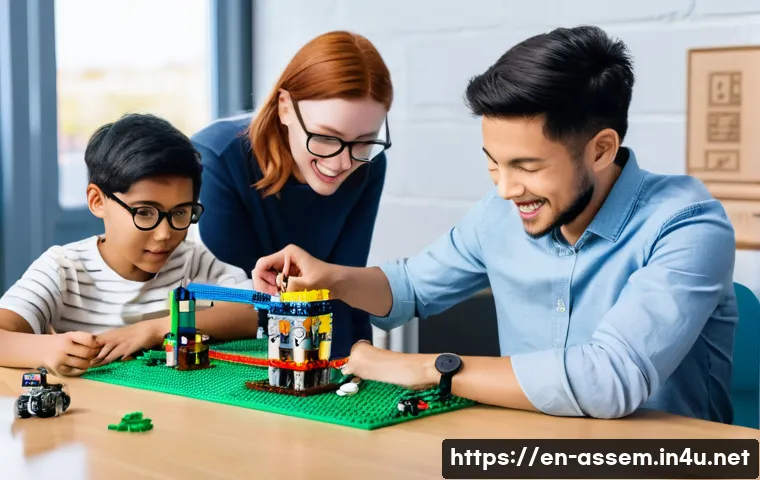
I remember watching a kid’s eyes light up controlling a robot built from LEGO—this fusion of tactile and digital play is truly groundbreaking. It’s clear that LEGO is evolving with the times while keeping its core values intact.
Sustainability Initiatives and Eco-Friendly Materials
In recent years, LEGO has committed to sustainability, aiming to produce bricks from renewable sources. This shift addresses growing environmental concerns and sets an example in the toy industry.
Knowing that the company is investing in green innovation makes me appreciate LEGO even more. It shows a forward-thinking mindset that values the planet as much as creativity.
Expanding the Creative Universe with Apps and Media
LEGO’s expansion into movies, video games, and apps has enriched the brand’s storytelling potential. These media extensions create immersive experiences that complement physical building.
For fans like me, it means more ways to engage with LEGO stories and characters, broadening the creative possibilities. This multimedia approach keeps LEGO relevant and exciting across generations.
How LEGO Inspires Real-Life Creativity and Skills
Fostering Problem-Solving and Engineering Skills
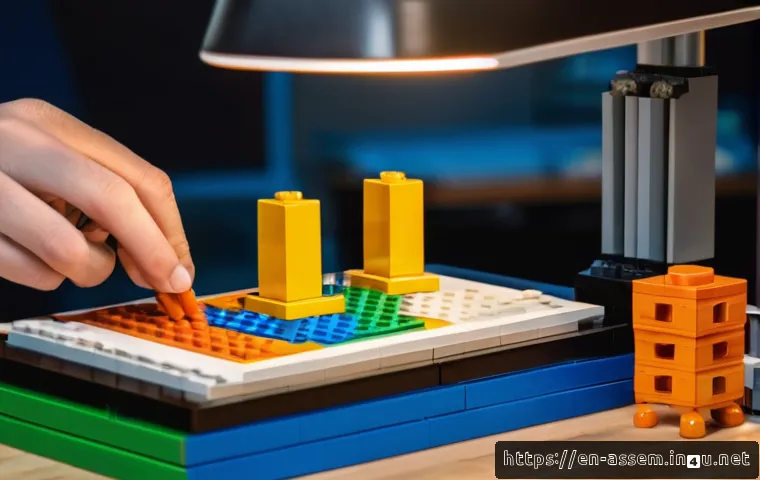
Playing with LEGO naturally develops spatial awareness, engineering principles, and problem-solving abilities. From trial and error to planning complex builds, the process mirrors real-world design challenges.
I’ve observed kids and adults alike gain confidence in tackling technical problems through LEGO projects. This practical learning aspect is a subtle yet powerful benefit that goes beyond simple play.
Encouraging Collaboration and Communication
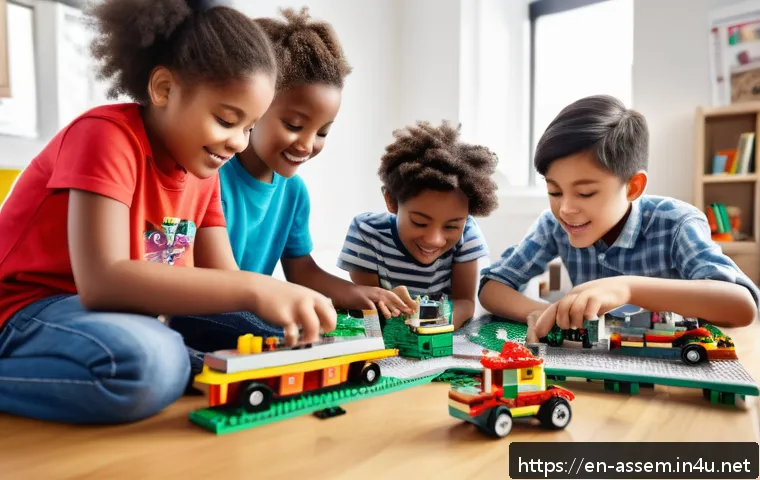
Building LEGO sets with friends or family often requires teamwork, negotiation, and sharing ideas. These social skills are vital in many areas of life.
I’ve found that LEGO sessions can break down barriers and spark meaningful conversations, especially among children. It’s a beautiful example of how a toy can foster emotional and interpersonal growth.
Inspiring Careers in Design and Innovation
Many professionals in architecture, engineering, and creative industries credit LEGO as an early influence. The hands-on experience and encouragement to think outside the box set the stage for future careers.
Hearing stories of designers who started with LEGO bricks reminds me how powerful early inspiration can be. It’s not just a toy; it’s a stepping stone toward real-world innovation.
Milestones That Mark LEGO’s Journey
| Year | Milestone | Impact |
|---|---|---|
| 1932 | Founding of LEGO by Ole Kirk Christiansen | Established a foundation based on craftsmanship and creativity |
| 1947 | Introduction of plastic bricks | Transition from wood to durable, versatile materials |
| 1958 | Patent of the interlocking brick design | Revolutionized toy building and play possibilities |
| 1998 | Launch of LEGO Mindstorms | Combined robotics with building, expanding STEM engagement |
| 2018 | Commitment to sustainable bricks | Marked a shift toward eco-friendly production methods |
LEGO’s Global Impact on Culture and Education
Bringing Diverse Cultures Together
LEGO’s universal appeal cuts across cultures and languages, creating a shared language of creativity. I’ve met builders from different countries who bond instantly over LEGO, proving its power as a cultural connector.
The company’s inclusive approach to themes and sets reflects a respect for diversity and global community.
Supporting Education Through Play
Many schools incorporate LEGO into their curriculum to teach math, science, and teamwork. The hands-on nature makes abstract concepts tangible and fun.
Observing classrooms where LEGO is used, it’s clear how it transforms learning into an engaging adventure, helping students absorb lessons more deeply.
Inspiring Creativity Beyond the Toy Box
Artists, designers, and engineers often use LEGO as a medium for expression and innovation. The brand has inspired countless exhibits, competitions, and projects that push creative boundaries.
This influence extends beyond play, making LEGO a cultural icon that celebrates human imagination in many forms.
Conclusion
LEGO’s journey from humble wooden toys to a global creative powerhouse is truly inspiring. It shows how passion, innovation, and resilience can build something timeless. Whether you’re a child or an adult, LEGO continues to spark imagination and foster skills that last a lifetime. Its impact goes beyond play, shaping culture, education, and creativity worldwide.
Useful Information to Keep in Mind
1. LEGO’s interlocking brick design is patented and remains the core of its endless creative possibilities.
2. The company embraces sustainability by producing eco-friendly bricks made from renewable materials.
3. LEGO supports STEM education by integrating coding and robotics in sets like Mindstorms and Boost.
4. The adult fan community (AFOLs) plays a significant role in shaping new LEGO products and ideas.
5. LEGO’s themed sets enhance storytelling and cultural connection, making play more immersive and meaningful.
Key Takeaways
LEGO’s success lies in its commitment to quality craftsmanship, open-ended play, and continuous innovation. Its inclusive design philosophy appeals to all ages and skill levels, encouraging creativity and learning. The strong global community and collaboration platforms keep the brand vibrant and relevant. Lastly, LEGO’s dedication to sustainability and education reflects a forward-thinking approach that balances fun with responsibility.
Frequently Asked Questions (FAQ) 📖
Q: What inspired the original creation of LEGO bricks?
A: The original inspiration behind LEGO bricks came from the desire to create a versatile, durable toy that encourages creativity and imagination. Ole Kirk Christiansen, the founder, initially crafted wooden toys, but as plastic molding technology advanced, he saw an opportunity to make interlocking bricks that could be assembled and reassembled in countless ways.
This simple yet powerful idea sparked a whole new way for kids and adults alike to build and innovate through play.
Q: How did LEGO evolve from wooden toys to the iconic plastic bricks we know today?
A: LEGO’s evolution was driven by a mix of innovation and persistence. Starting with wooden toys in the 1930s, the company transitioned to plastic in the late 1940s after recognizing the potential of plastic injection molding.
The breakthrough came with the design of the interlocking stud-and-tube system in 1958, which gave the bricks a unique stability and endless building possibilities.
This transformation wasn’t overnight—it took years of experimentation and refinement before LEGO became the beloved brand it is now.
Q: Why has LEGO remained so popular and inspiring over the decades?
A: LEGO’s enduring popularity stems from its ability to adapt while staying true to its core mission: fostering creativity and fun. It appeals to a wide range of ages and interests, offering everything from simple sets for beginners to complex themes for adult fans.
Plus, LEGO’s collaborations with movies, video games, and pop culture icons keep it fresh and relevant. From my own experience, the joy of building with LEGO isn’t just about the final model—it’s the creative process and the sense of accomplishment that keeps people coming back again and again.