Navigating the world of LEGO can be both thrilling and overwhelming, whether you’re a seasoned builder or just starting out. With countless sets, themes, and special editions available, making the right choice requires a bit of guidance.
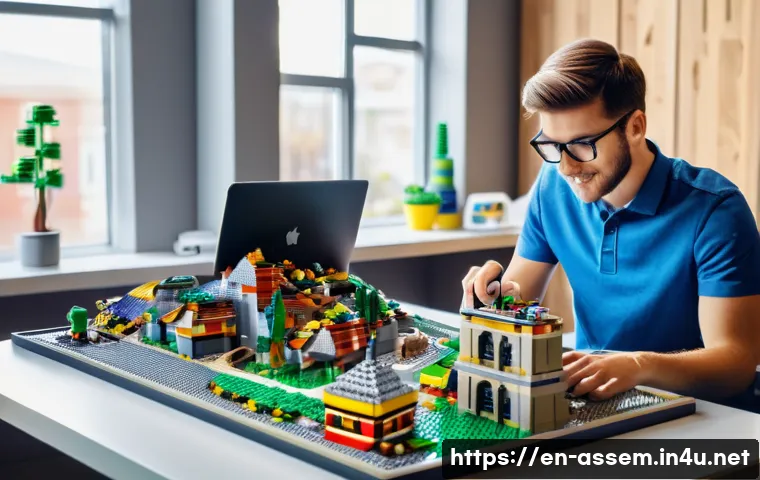
Fortunately, there are some fantastic apps designed to help you explore, organize, and even build with LEGO more efficiently. These tools not only save time but also enhance your overall building experience, making it more enjoyable and creative.
If you’ve ever wondered how to pick the perfect set or manage your collection effortlessly, you’re in the right place. Let’s dive into the best tips and must-have apps that will transform the way you LEGO—let’s get started!
Understanding Your LEGO Preferences Before Buying
Exploring Different LEGO Themes and Their Appeal
Choosing a LEGO set often starts with figuring out what themes resonate with you the most. From the classic City and Technic lines to the imaginative Star Wars and Harry Potter sets, each theme offers a unique building experience.
Personally, I found that diving into themes that match my interests made building way more enjoyable. For example, if you love sci-fi or fantasy, sets like Star Wars or Ninjago can spark more creativity.
On the other hand, if you prefer realistic models or vehicles, City or Creator Expert series might be your go-to. It’s worth spending some time browsing through the themes online or at a store to get a feel for what excites you the most before making a purchase.
Considering Complexity and Age Recommendations
LEGO sets vary widely in difficulty, and matching the set to your skill level is crucial to avoid frustration. Sets aimed at younger builders typically have larger bricks and simpler instructions, while advanced sets can involve thousands of pieces with intricate builds.
I remember buying a highly complex set without checking the piece count and ended up spending way more time than expected, which was both a challenge and a joy.
Checking the recommended age range helps, but also consider your own patience and building speed. If you want a quick, satisfying build, smaller sets are better.
If you enjoy long projects, go for the advanced ones.
Budgeting and Value for Money
Price is always a big factor when picking LEGO sets. Some limited editions or licensed sets can be pricey, but they often hold their value or even become collectibles.
I’ve learned that balancing budget with what you want out of the set is key. Sometimes spending a bit more upfront on a detailed set saves you from buying multiple smaller sets later.
Conversely, if you’re just starting out, cheaper starter kits or bulk brick packs give you flexibility without breaking the bank. It’s smart to keep an eye on sales or second-hand markets, too, where you can find great deals on popular sets.
Leveraging Technology to Enhance Your LEGO Experience
Apps for Planning and Visualizing Builds
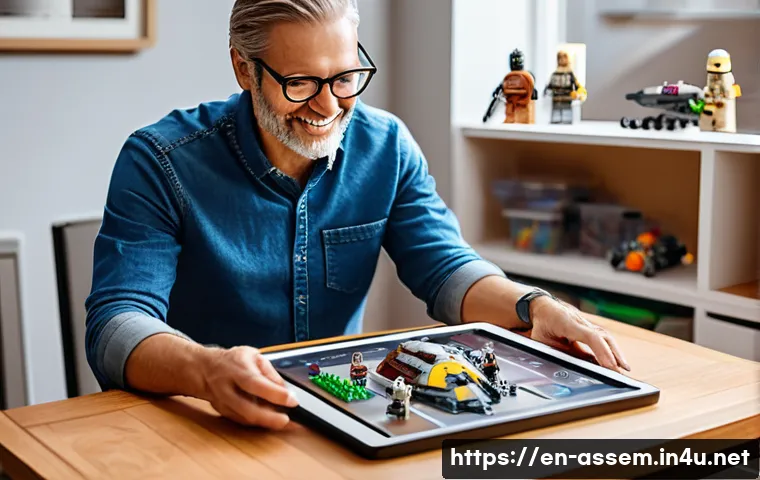
One of the coolest things I’ve discovered is how apps can help you plan your builds before you even open the box. Apps like LEGO Digital Designer or BrickLink Studio let you create virtual models, experiment with different pieces, and see how your final build might look.
This is a game-changer for custom projects or if you want to modify an existing set. It also helps avoid the frustration of missing pieces or unclear instructions.
The ability to rotate and zoom on digital models gave me a fresh perspective on building techniques and inspired me to try new styles.
Organizing Your LEGO Collection Efficiently
As my collection grew, keeping track of all my sets and individual pieces became a real challenge. That’s when I turned to apps like Brickset or Rebrickable.
These platforms let you catalog your entire inventory, including sets you own, wish lists, and even parts you have on hand. Having everything organized means I spend less time searching for bricks and more time building.
Plus, these apps often feature community reviews and build instructions, which add extra value. The convenience of accessing your collection details on your phone makes managing LEGO way more fun and less of a hassle.
Finding Inspiration and Community Support
Nothing beats the motivation that comes from sharing your passion with others. Apps and online communities dedicated to LEGO provide endless inspiration through user galleries, challenges, and tutorials.
I personally found joining forums and following LEGO influencers on social media boosted my creativity and helped me troubleshoot tricky builds. Whether you’re looking for ideas or advice, connecting with fellow LEGO fans through apps like LEGO Life or Reddit’s LEGO subreddits creates a sense of belonging and keeps the hobby exciting.
Key Features to Look for in LEGO Companion Apps
User Interface and Ease of Navigation
When choosing an app to complement your LEGO hobby, ease of use is paramount. I’ve tried apps that looked promising but were clunky or confusing, which quickly killed my enthusiasm.
The best apps have clean layouts, intuitive menus, and quick access to essential features like building instructions or inventory lists. If you’re someone who likes to jump between browsing sets and organizing your collection, smooth navigation makes all the difference.
Try downloading free versions first to test the user experience before committing to paid options.
Offline Accessibility and Instruction Support
One feature I can’t live without is offline access to building instructions. Sometimes I build in places without reliable internet, and having instructions saved on my device keeps the project moving smoothly.
Apps that offer downloadable PDFs or integrated step-by-step guides let you build uninterrupted. Some even have interactive instructions that highlight pieces as you build, which I found super helpful when tackling complex models.
Always check if the app supports offline use before making it your go-to tool.
Customization and Integration with Physical Sets
The most advanced LEGO apps allow you to scan set barcodes or input set numbers to automatically pull up instructions and parts lists. This integration saves tons of time and reduces errors.
I’ve used apps where I could customize builds, swap out pieces digitally, or even order missing bricks directly through the app’s marketplace. These features transform a simple building session into a fully personalized experience.
If you’re serious about LEGO, looking for apps with these capabilities is worth the investment.
Comparing Popular LEGO Apps for Different Needs
| App Name | Primary Function | Best For | Offline Access | Cost |
|---|---|---|---|---|
| LEGO Digital Designer | Virtual building and design | Custom builders and designers | Yes | Free |
| Brickset | Collection management and reviews | Collectors and inventory organizers | Partial (instructions downloadable) | Free with optional premium |
| Rebrickable | Build from owned parts, cataloging | Custom builds and part management | Yes | Free with premium options |
| LEGO Life | Community sharing and inspiration | Kids and social builders | Yes | Free |
| BrickLink Studio | Advanced digital building and marketplace | Experienced builders and sellers | Yes | Free |
Tips for Making the Most Out of Your LEGO Purchases
Setting Realistic Building Goals
LEGO can be a huge time investment, especially with complex sets. I’ve found that breaking down builds into manageable sessions helps me stay motivated and enjoy the process more.
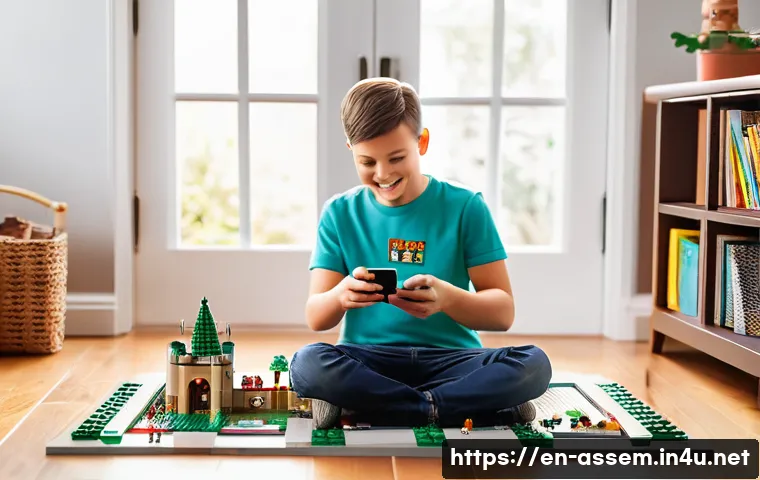
Instead of rushing to finish in one go, setting mini-goals like completing a section or a particular feature keeps the experience rewarding. This approach also reduces mistakes and lets you appreciate the intricate details LEGO designers put into every set.
Utilizing Sales and Loyalty Programs
Saving money while expanding your collection is always a win. Many retailers offer seasonal sales, and LEGO itself runs VIP programs that give points and exclusive offers.
I keep an eye out for these deals and stack them with coupons or credit card rewards when possible. Signing up for newsletters from LEGO and toy stores can alert you to flash sales or limited-time promotions.
Over time, this strategy has helped me snag sets I wanted without overspending.
Sharing Builds and Learning from Feedback
Sharing your finished builds, whether online or with friends, brings extra joy to the hobby. I’ve posted my creations on social media and LEGO forums and received valuable tips and encouragement.
Sometimes feedback sparks new ideas or helps me improve techniques for future projects. Plus, it’s a great way to connect with other fans and feel part of a larger community.
Don’t hesitate to showcase your work, no matter your skill level—it’s all part of the fun.
Exploring Customization and Expansion Options
Mixing and Matching Sets for Unique Creations
One of the best parts about LEGO is the freedom to mix pieces from different sets. I often combine parts from city vehicles with fantasy-themed bricks to create quirky hybrids.
This experimentation extends the life of your collection and fuels creativity. Keep an eye out for bulk brick packs or secondhand lots to expand your parts library affordably.
The more diverse your pieces, the more imaginative your builds can become.
Incorporating Third-Party Accessories and Mods
Beyond official LEGO parts, there’s a growing market for third-party accessories like custom decals, lighting kits, or unique minifigure parts. I tried adding LED lights to a Star Wars set, and the effect was stunning—totally transformed the model’s vibe.
Just make sure any mods are compatible with LEGO bricks and don’t damage the originals. These enhancements can make your creations stand out and feel more personalized.
Documenting Your Creations for Future Reference
Keeping a digital or physical record of your builds is something I wish I started earlier. Taking photos, writing notes about modifications, or saving custom instructions helps when you want to rebuild or share your work.
Some apps even allow you to create digital portfolios, which is great for tracking progress or showing off your skills. This habit turned out to be rewarding, especially when revisiting older projects or planning new ones.
Strategies for LEGO Storage and Maintenance
Organizing by Set, Color, or Piece Type
Storage can quickly become a headache without a system. Personally, I experimented with sorting bricks by color, but ended up preferring organization by piece type since it speeds up finding specific parts.
Labeling containers or drawers and using stackable bins keeps everything neat and accessible. If you have limited space, vertical storage solutions or under-bed containers work wonders.
The key is finding a setup that fits your building style and space constraints.
Cleaning and Caring for LEGO Bricks
LEGO bricks are surprisingly durable but can get grimy after years of use. I learned that soaking pieces in warm, soapy water and gently scrubbing with a soft brush refreshes them without damage.
Avoid harsh chemicals or dishwasher cycles that can warp plastic. Regularly cleaning your collection not only keeps it looking great but also ensures smooth connections when building.
Preparing for Moves or Collection Expansion
If you’re planning to relocate or anticipate adding many new sets, consider modular storage that’s easy to transport. I once had to move my entire collection, and having labeled, compartmentalized boxes saved hours of sorting afterward.
For expansions, leaving extra space in your storage system or investing in expandable organizers prevents overcrowding. Being proactive with storage helps maintain the joy of building rather than turning it into a chore.
Conclusion
Choosing the right LEGO sets and tools can truly elevate your building experience. By understanding your preferences, leveraging technology, and staying organized, you can make every build more enjoyable and rewarding. Remember, LEGO is not just about the bricks but the creativity and community that come with it. With thoughtful planning and a bit of inspiration, your LEGO journey will continue to grow in fun and fulfillment.
Useful Tips to Keep in Mind
1. Explore different LEGO themes to find what sparks your creativity and matches your interests.
2. Always consider the complexity and recommended age to ensure the build fits your skill level and patience.
3. Balance your budget by mixing detailed sets with starter kits or bulk bricks for flexibility.
4. Use companion apps to plan builds, organize your collection, and connect with other LEGO fans.
5. Take advantage of sales, loyalty programs, and community feedback to enhance both savings and enjoyment.
Essential Takeaways
Understanding your personal preferences and building style is key before making LEGO purchases. Utilizing technology like digital design apps and collection managers can simplify and enrich your experience. Staying organized through smart storage and regular maintenance keeps your collection in top shape. Finally, engaging with the LEGO community and setting realistic goals will keep your passion alive and your builds inspired.
Frequently Asked Questions (FAQ) 📖
Q: What are the best apps to help me organize my LEGO collection?
A: From my experience, apps like Brickset and Rebrickable are absolute lifesavers when it comes to organizing your LEGO collection. They let you catalog your sets by scanning barcodes or entering set numbers, making it super easy to keep track of what you own.
Plus, they provide detailed information about each set, including piece counts and release dates, which is great when you’re planning your next build or looking to complete a collection.
Using these apps has saved me countless hours and headaches, especially as my collection grew.
Q: How can these apps improve my LEGO building experience?
A: These apps do more than just organize—they inspire and guide you throughout your building journey. For example, Rebrickable offers alternative building instructions using the bricks you already have, which sparked some of my most creative projects.
Other apps provide step-by-step digital instructions that are easier to follow than traditional manuals, especially for complex sets. I found that having these tools at my fingertips made the whole process smoother and more enjoyable, even when tackling challenging builds or customizing sets.
Q: Are these apps suitable for beginners or only for advanced LEGO enthusiasts?
A: Absolutely, these apps are designed for everyone, from first-timers to hardcore builders. As a beginner, you can easily explore popular sets, get recommendations based on your interests, and learn how to manage your collection without feeling overwhelmed.
The user-friendly interfaces and helpful tutorials make it approachable. And as you get more experienced, the apps scale with your skills, offering advanced features like MOC (My Own Creation) sharing and detailed inventory management.
I remember starting out clueless, but these tools helped me grow my passion step by step.