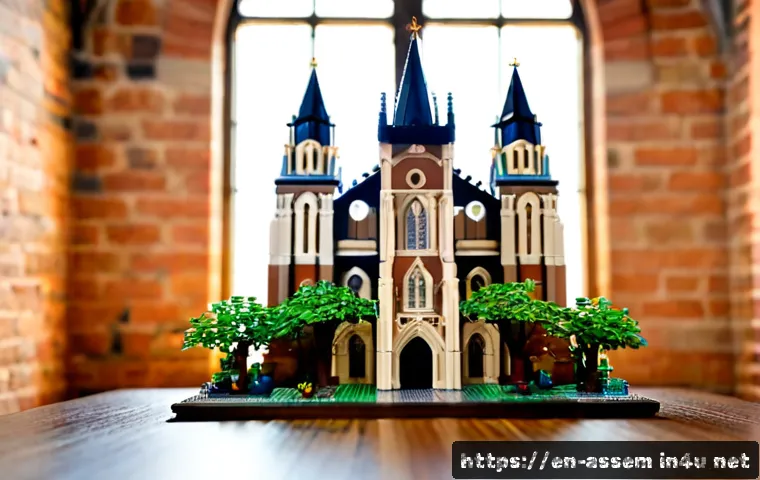
LEGO brick landmarks look convincing when you prioritize the building’s silhouette, proportions, and a few recognizable details instead of trying to copy every architectural feature.
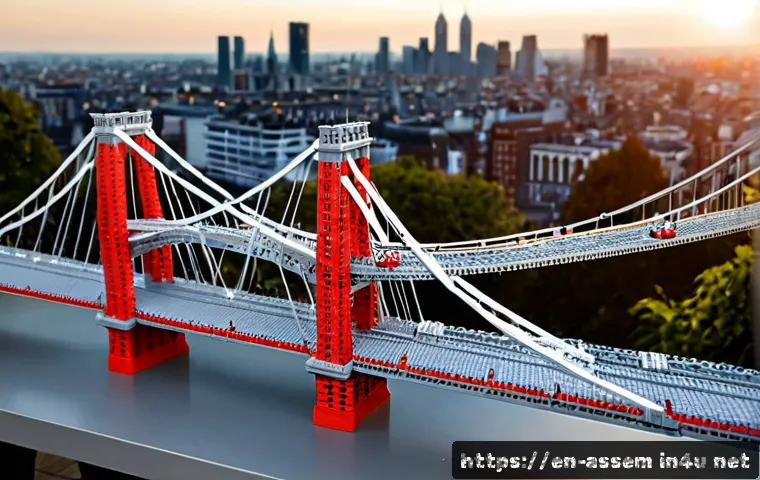
For most first-time builders, an official LEGO Architecture-style set is the simplest route; loose bricks and custom instructions offer more freedom when you need a specific landmark or display size.
The best choice depends on your available shelf space, desired level of accuracy, and willingness to source individual elements. A small skyline can work well for a family activity or classroom project, while a tall tower or bridge may need internal reinforcement and a stable base.
Before buying bulk bricks, decide whether the model is meant for casual play, a gift, or a long-term collector display. That decision makes it much easier to compare official sets, custom-building options, display cases, and specialty pieces.
At a Glance
- Beginners: An official landmark or skyline-inspired set offers the clearest instructions and the easiest starting point.
- Collectors: Choose a model with a strong silhouette, a clean base, and protection from dust for a better display result.
- Custom-display buyers: Loose bricks, custom instructions, or a commissioned model are useful when the landmark, scale, or color palette must be specific.
| Building Route | Best For | Customization | Planning Required | Display Consideration |
|---|---|---|---|---|
| Official LEGO Architecture-style set | First-time builders, gifts, convenient projects | Limited | Low | Usually designed as a complete display model |
| Loose LEGO bricks | Builders with a specific size or landmark in mind | High | High | Base, reinforcement, and brick storage may need separate planning |
| Custom instructions | Builders who want guidance without using a standard set | Moderate to high | Moderate | Check whether the parts list suits your intended scale and shelf space |
| Commissioned model | Offices, events, gifts, and specialized collector displays | Potentially high | Lower for the buyer, higher for the designer | Discuss the base, transport, protection, and handling needs in advance |
What Makes a Brick Landmark Instantly Recognizable
A successful brick landmark does not need to reproduce every window, column, or decorative surface. It needs to communicate the building quickly. In most cases, silhouette, overall proportion, signature color, and one or two defining features do more work than a large number of tiny details.
Focus on Silhouette, Scale, and One or Two Signature Details
Start by asking what someone would recognize from a distance. A tower may be known for its tapered profile. A bridge may be identified by its arches or supports. A skyline may depend on the changing heights of several buildings rather than the accuracy of every individual façade.
Choose a limited number of visual priorities. For example, you might preserve a stepped roofline, a central arch, a distinctive dome, or a recognizable color contrast. At smaller sizes, trying to include too many details can make the model look busy and less readable.
Why Simplified Architecture Often Looks Better at Small Sizes
Small-scale brick architecture relies on visual shortcuts. A single plate, tile, or angled element can stand in for a much more complex real-world feature. This is not necessarily a compromise; it is often the reason a compact model feels balanced.
Consistency matters more than literal replication. Repeating the same window rhythm, keeping wall colors controlled, and using similar depth across a façade can create a cleaner result than forcing every architectural detail into a limited space.
Quick Answer: Choose the Building Approach Before Buying Bricks
Decide whether you want an official set, a loose-brick design, custom instructions, or a commissioned build before collecting parts. That choice affects the scale, parts list, building difficulty, display case needs, and amount of research involved.
If your main goal is a relaxed build with predictable steps, begin with an official architecture-inspired model. If the goal is a particular local landmark, a personal travel memory, or a display that fits one exact shelf, custom planning is usually more appropriate.
Compare Official Sets, Loose Bricks, Custom Instructions, and Commissions
There is no single best way to build a LEGO brick landmark. The practical choice depends on how much creative control you need and how much planning you are willing to take on.
Best Value for First-Time Builders
An official LEGO Architecture product can be a straightforward option for someone who wants a complete building experience without sourcing individual elements. Official landmark and skyline-inspired sets have been available as part of the LEGO Architecture range, although the current availability of a particular model should always be checked.
The main advantage is convenience: the design, brick selection, and instructions are already coordinated. This can be especially useful for a gift, family project, classroom activity, or first collector display. The limitation is that you may not find the exact landmark, size, or color treatment you want.
When Customization Justifies a Higher Budget
Loose bricks give you the most control over dimensions, colors, and the level of detail. They are useful when you want to recreate a building that does not have an official model, create a custom skyline, or match a display to a particular shelf or room.
However, custom work can require separate sourcing for specialty elements, uncommon colors, and replacement bricks. Before purchasing bulk bricks, make a basic parts plan. A design that looks simple on paper may require more specific pieces than expected once you begin building.
Custom instructions can sit between these two options. They provide a design path while still allowing builders to source bricks independently. A commissioned model may be more suitable when the display needs to represent a particular place, brand environment, event concept, or gift idea and the buyer does not want to design the structure personally.
What to Compare Beyond the Initial Purchase Price
Look beyond the first cost of a set or brick order. Consider whether you will need a baseplate, reinforced internal sections, specialty pieces, storage for spare parts, a display case, or lighting. These choices can affect both the finished appearance and the practical durability of the model.
Also consider time. An official set generally reduces planning time. Loose bricks may require researching colors and quantities separately. A commissioned build can reduce your hands-on workload, but you should clearly discuss the intended size, handling conditions, display location, and desired level of detail.
Plan the Scale, Brick List, and Display Budget
Scale is where many landmark builds succeed or fail. A model can look distorted if the height is impressive but the width is too narrow, or if a wide base leaves no room for the feature that makes the landmark recognizable.
Start With Width, Height, and Available Shelf Space
Measure the area where the model will be displayed before choosing the build size. Include room for a base, an information plaque if you want one, and enough clearance for safe handling. A model that fits tightly against a shelf edge may be harder to move and more vulnerable to accidental contact.
Then choose the most important dimension. For a tall tower, height may be the priority. For a bridge or long skyline, width may matter more. Keep the landmark’s major sections in proportion before adding small exterior details.
Estimate the Need for Baseplates, Specialty Pieces, and Replacement Bricks
A stable base is useful for nearly every display model, particularly when the structure is tall, long, or built with overhangs. Specialty pieces can help express curves, angles, and architectural transitions, but they can also make sourcing more complicated.
Plan for the possibility of lost or damaged pieces. If a key color or element is central to the look of the model, it may be sensible to confirm availability before finalizing the design. For custom instructions, review the parts list and check that the selected elements suit the version you want to build.
Decide Whether a Display Case or Lighting Improves the Finished Model
A display case can be worth considering for a model that will remain assembled for a long time, especially in an office, collector room, shared living area, or public-facing setting. It can help reduce dust exposure and accidental handling. The case needs enough interior space so that the model is not pressed against the sides.
Lighting can make a skyline or detailed façade easier to see, but it should support the model rather than distract from it. Decide early, because a lighting plan may affect the base design and cable routing. For a casual family project, a clean base and safe shelf location may be more useful than extra accessories.
Build a Stronger Model and Avoid Common Design Mistakes
Landmark displays are often built to be viewed rather than played with, but they still need structural thought. Tall towers, arches, bridges, and roof overhangs can look stable while remaining vulnerable to movement.
Reinforce Tall Towers, Arches, Bridges, and Overhangs
Use a stable base and connect interior sections carefully when the model rises upward or extends outward. Large display models may need reinforcement so the weight is not carried by one narrow connection. For a bridge, test the deck and supports together. For a tower, make sure the lower sections can support the upper shape.

Build strength into the hidden structure first. Decorative tiles and façade details should come after the core form is stable. This approach can prevent a finished section from needing to be dismantled later.
Avoid Inconsistent Colors and Weak Internal Connections
Color choices should support the landmark’s most recognizable features. Too many near-random colors can weaken the architectural impression, particularly in small models. Pick a core palette, then reserve accent colors for features that need attention.
Weak internal connections are another common issue. A model may appear complete from the front while being loosely joined at the back or beneath the base. Check the model from several angles before adding final exterior details.
Test Sections Before Permanently Expanding the Structure
Build a small sample before committing to a long façade, repeated tower module, or complex arch. Testing lets you see whether the selected colors, proportions, and connections work in real bricks rather than only in an idea or digital plan.
This is especially helpful when working from fan-created instructions or original plans. Adjusting one test section is easier than rebuilding an entire display after the brick list has grown.
Choose a Landmark Project for Your Situation
The right project should match the builder’s experience, the available workspace, and the intended use. A simple monument can be rewarding for a beginner, while a large custom skyline may be better suited to a patient adult hobbyist or a planned professional display.
Simple Projects for Families and Classrooms
Choose a landmark with a clear outline and a small number of repeated features. Simple towers, compact monuments, and short skyline scenes can be easier to explain and build collaboratively. For classroom use, it helps to divide the project into sections such as base, walls, roofline, and surrounding area.
Keep the design sturdy and avoid relying on delicate pieces that may detach during group handling. A shared color palette also makes it easier for multiple builders to contribute without creating a visually confusing result.
Detailed Builds for Adult Hobbyists and Collectors
Adult builders may enjoy designs that use layered façades, carefully controlled proportions, and subtle architectural details. This is where loose brick purchases, custom building instructions, and specialized display cases can become relevant.
For a collector display, choose a landmark with a strong viewing angle. A model does not need equal detail on all sides if it will permanently sit against a wall, but the visible sides should look intentional. Confirm the finished dimensions before choosing a case or permanent shelf location.
Larger Display Concepts for Offices, Events, and Gifts
A large brick landmark can work as an office display, event centerpiece, or meaningful gift when it relates to a location or shared memory. In these cases, presentation matters as much as the build itself. A stable base, dust protection, and a clear display location may be more important than adding every possible detail.
For a commissioned model, explain the intended use before work begins. Discuss whether it will be moved often, viewed from all sides, displayed behind a case, or handled by visitors. Availability, final cost, structural requirements, and the use of recognizable landmark designs should be confirmed with the relevant seller or model-building service.
Selection Criteria and Comparison Summary
Choose an official set if you want clear instructions, a coordinated parts selection, and a convenient first landmark build. Choose loose bricks if your priority is a specific scale, a personal landmark choice, or creative control over colors and details. Consider custom instructions if you want a guided design but are comfortable sourcing parts separately. Consider a custom build or commission if the model needs to fit a particular display space, gift concept, office setting, or event use.
Before making a decision, check these points: available shelf width and height; whether the landmark is recognizable at your chosen scale; the need for specialty pieces; the strength of the base and internal structure; and whether a display case or lighting would improve protection and presentation. For official set availability, individual brick options, custom instructions, display cases, and commission details, review the relevant product or service page before purchasing.
Final Thoughts
The most effective LEGO brick landmark is not always the largest or most detailed one. It is the model that preserves the building’s essential identity while fitting your budget, skill level, and display space. Start with the silhouette, select a sensible scale, and decide early whether convenience or customization matters more. A thoughtful base and stable construction can make even a simplified landmark feel complete.
Useful Things to Know
1. A recognizable outline often matters more than exact miniature architecture.
2. Small models benefit from simplified details and a controlled color palette.
3. Large models may require reinforcement, a stable base, and protection from dust or handling.
4. Loose brick projects can require separate sourcing for colors, elements, and quantities.
5. Test one repeated section before expanding a custom landmark design.
Important Notes
Brick count, build time, structural stability, availability, and final cost vary by landmark design and source. An official set for a particular location may not be currently available. Prices and availability for loose bricks, instructions, display cases, and commissioned models should be checked directly before purchase. If a model is intended for commercial display, resale, or another public use, confirm any relevant licensing or usage requirements with appropriate sources.
Frequently Asked Questions
Q1. Is it cheaper to build a landmark with loose LEGO bricks or buy an official set?
A1. It depends on the design and the pieces required. An official set can be simpler because the bricks and instructions are provided together. Loose bricks offer more customization, but you may need to source specific colors, elements, and quantities separately. Compare the complete parts plan and display needs rather than looking only at the initial purchase.
Q2. Which landmarks are easiest to recreate with LEGO bricks for beginners?
A2. Beginners should look for landmarks with a clear silhouette, simple color palette, and repeated shapes. Compact towers, simple monuments, short bridges, and small skyline scenes are generally easier to simplify than highly detailed buildings with many irregular surfaces.
Q3. Do large LEGO landmark models need a display case or reinforced base?
A3. Large models can benefit from both. A reinforced base can improve stability for tall towers, bridges, arches, and overhangs. A display case may be useful when the model will remain assembled for a long time or sit in an area where dust and accidental handling are concerns.