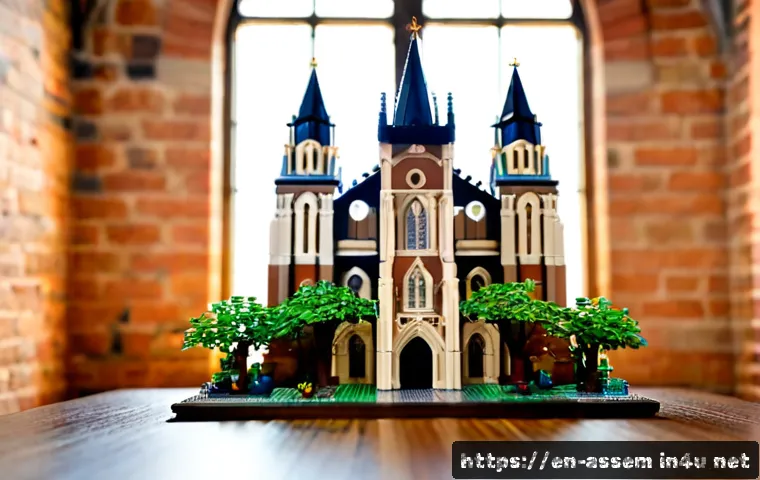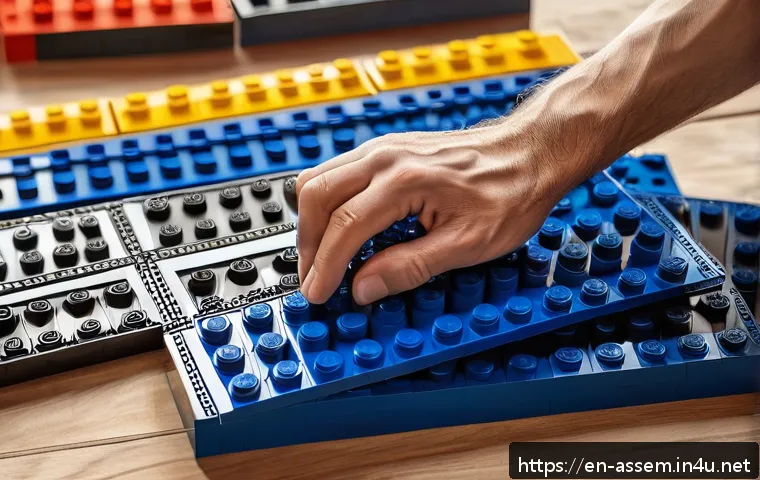
Reusable brick crafts are best for flexible décor, organizers, and gifts, while permanent projects suit pieces you want to mount or preserve long term.
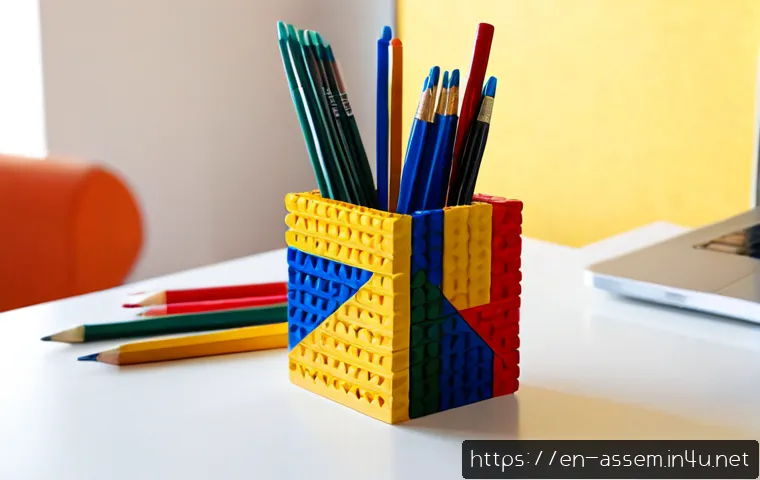
Choose the method before buying parts, because glue, paint, cutting, and wall mounting can limit reuse and may affect future resale options. A small desk build can need only mixed bricks and basic storage, while a framed mosaic or lit display may call for baseplates, a frame, mounting hardware, or LED accessories.
The right project depends on where it will sit, how often it will be handled, and whether you want to take it apart later. Comparing brick sourcing, storage capacity, display cases, and mounting limits helps avoid buying supplies that do not fit your plan.
For gifts, simple personalized builds are often easier to finish and present than a large, fragile display.
At a Glance
- For reusable crafts: choose freestanding models, desk organizers, and small gift builds without permanent adhesives.
- For home décor: framed mosaics and wall displays need a backing material and hardware suited to the finished size and weight.
- For collectible displays: plan storage, dust protection, lighting access, and cleaning space before final assembly.
| Project Type | Best For | Permanence | Useful Materials | Display Considerations |
|---|---|---|---|---|
| Desk organizer or small gift | Beginners, practical crafts, personalized presents | Reusable | Mixed bricks, sorting tray, storage bin | Keep the design stable and easy to move |
| Brick mosaic or framed scene | Wall art and customized décor | Reusable or semi-permanent | Baseplate, frame, backing material, mounting hardware | Check finished weight and wall mounting limits |
| Lit display model | Collector shelves and hobby rooms | Usually reusable | LED accessories, display case, cable routing supplies | Plan wire paths, heat, battery access, and dust control |
| Permanent décor piece | Long-term display installations | Permanent | Adhesive, coating, mounting materials | Test product compatibility and accept limited future reuse |
Start With the Right Type of Brick Craft
Quick Answer: Choose Reusable Builds, Display Art, or Permanent Décor Based on Your Goal
The simplest choice is to match the project method to its purpose. Choose a reusable build if you enjoy rebuilding, expect to change colors later, or want to use the same bricks for future projects. Choose display art if the main goal is visual impact on a shelf or wall. Choose a permanent décor piece only when you are comfortable giving up easy disassembly.
Interlocking plastic bricks can become freestanding models, mosaics, picture frames, desk organizers, and decorative displays without changing the bricks permanently. That makes them useful for hobby crafters who want both a finished object and a parts collection. Adhesives, coatings, cutting tools, and mounting hardware may be appropriate for a fixed installation, but they can reduce future reuse.
Three Questions to Answer Before Opening a Parts Bin
First, ask: Will this be handled often or mainly displayed? A frequently handled desk accessory should use sturdy connections and a compact form. Second, ask: Do I want to reuse these pieces later? That answer determines whether specialty adhesive belongs on your shopping list. Third, ask: Where will the finished piece live? A shelf model, a wall mosaic, and a gift box each need different planning.
It also helps to sort bricks by part type, color, or project kit before building. This can reduce time spent searching and makes leftover parts easier to reuse.
Compare Project Ideas by Cost, Time, and Difficulty
Desk Accessories and Small Gifts
Desk organizers, pen cups, small frames, name displays, and compact decorative models are practical starting points. They can be built from mixed parts and do not require a permanent finish. For a gift, use a color palette or simple detail that reflects the recipient’s interests rather than attempting a large, complicated structure.
These projects work well when you need a craft that is easy to transport and simple to adjust. Before choosing loose bricks or a bulk brick assortment, decide whether you need matching colors, specialty elements, or a particular size of base.
Mosaic Art, Framed Scenes, and Wall Displays
A brick mosaic can turn a small collection of colors into custom wall décor. Start with the available display area, then choose a backing material and frame that fit the planned dimensions. A framed scene may remain removable if the design is held by brick connections rather than permanent adhesive.
Wall art needs more than an attractive pattern. The backing and mounting hardware should be rated for the finished project’s size and weight. Avoid relying on unsupported sections that could separate when the piece is moved or hung.
Decorative Lighting, Planters, and Larger Home Accents
Lighting can make a display model easier to see, especially in a hobby room or enclosed display case. Plan LED placement before final assembly so that wires have a route, battery access remains possible, and mounting points are not blocked. Consider heat and cable placement as part of the design rather than an afterthought.
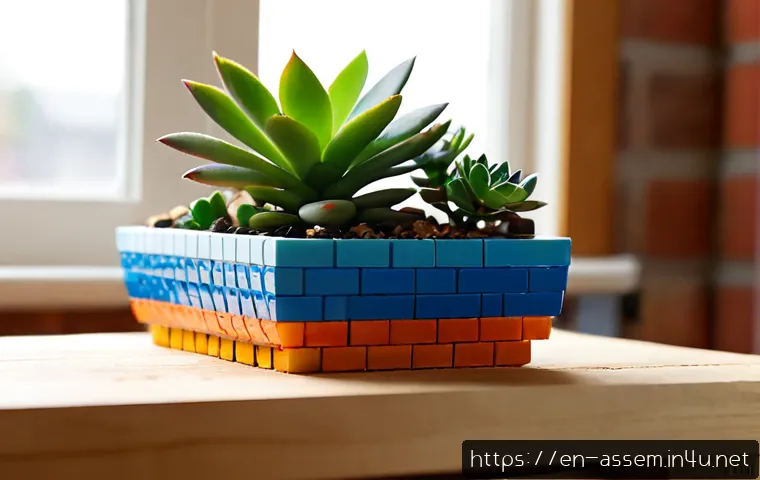
Larger home accents can look impressive, but they need more attention to balance, cleaning access, and shelf space. A brick-built outer cover around a separate container may be easier to manage than a design that exposes the build directly to moisture or frequent handling.
Comparison Table: Materials, Estimated Effort, Permanence, and Display Requirements
| Idea | Material Planning | Effort Level | Assembly Choice | Main Risk to Avoid |
|---|---|---|---|---|
| Desk organizer | Common bricks and a stable base | Lower | Removable | Weak sides or an unstable bottom |
| Custom gift model | Selected colors and personal details | Lower to moderate | Usually removable | Choosing a design too complex to finish |
| Framed mosaic | Color planning, baseplate, frame, backing | Moderate | Removable or semi-permanent | Insufficient backing or unsuitable mounting hardware |
| LED display | Lighting accessories and cable path | Moderate | Usually removable | Blocked battery access or poorly planned wires |
| Mounted permanent décor | Adhesive, coating, hardware, support structure | Higher | Permanent | Irreversible modification without testing compatibility |
Materials and Tools Worth Considering Before You Build
New, Pre-Owned, and Mixed-Part Brick Sourcing
New parts can make sense when a project requires a consistent color or a specific element. Pre-owned bricks and mixed-part collections may be more suitable for experimental builds, organizers, and casual craft projects. The right choice depends on the color selection, condition, shipping, local availability, and the number of pieces your design needs.
Before purchasing bulk bricks, make a short parts list. Separate essential pieces from flexible filler pieces. This prevents a project from stalling because one structural element was overlooked.
When Baseplates, Frames, Display Cases, and Storage Bins Add Value
A baseplate can give a mosaic or desk build a consistent starting surface. A frame can provide a cleaner finish for wall art. Clear display cases can help reduce dust exposure for detailed builds and collectible pieces. Storage bins, trays, and compartment organizers are useful when you want to keep project parts separated from your general brick collection.
Compare storage capacity based on how you actually build. If you use many small parts, sorting by type may be more useful than one deep container. If you work on multiple projects, storing each project as a separate kit may make restarting much easier.
Adhesives, Mounting Hardware, and LED Accessories: When They Are Appropriate
Adhesive is best reserved for a project that truly needs to stay fixed. Compatibility and long-term effects can vary by plastic type, surface condition, and product formulation, so confirm the adhesive manufacturer’s guidance before applying it to valuable or collectible bricks.
Mounting hardware belongs in the plan from the beginning for any wall display. Check mounting limits for the specific hardware and installation surface. For LED accessories, prioritize a setup that leaves wiring secure, avoids blocked access points, and fits the intended display area.
Build and Finish Without Creating Avoidable Problems
Plan Dimensions, Weight, and Cleaning Access First
Measure the shelf, desk, frame, or wall area before building. A display may look complete on a worktable but become awkward once it reaches its final location. Leave enough room to lift the piece, wipe around it, and access lighting controls or batteries if needed.
For enclosed displays, think about where dust may collect and whether the model can be removed without dismantling major sections. A clear display case can simplify long-term presentation for detailed pieces.
Avoid Fragile Connections and Unsupported Overhangs

Decorative details are most successful when the structure beneath them is stable. Test a freestanding model by moving it carefully before adding small finishing elements. For a wall display, avoid designs that depend on unsupported overhangs or loosely connected layers.
If a project will travel as a gift or event decoration, choose a lower-profile design with fewer delicate elements. This is often a better trade-off than adding detail that may separate during transport.
Safety Considerations for Small Parts, Wall Displays, and Lighting
Small parts can present a choking hazard. Keep them away from young children unless the craft is designed and supervised appropriately. Store loose pieces in a closed container when the project is not in use.
For wall-mounted art, use backing material and hardware suited to the finished piece. For lighting, plan around wires, heat, battery access, and secure mounting points before the model is finalized.
Choose a Project for Your Space or Occasion
Apartment-Friendly Crafts With Minimal Tools
Small organizers, tabletop frames, compact mosaics, and freestanding décor are good choices for limited spaces. They can be made without drilling into walls or committing bricks to permanent adhesive. A storage tray and a small parts organizer may be more useful than a large display system when your workspace is temporary.
Personalized Gifts and Event Décor
For gifts, choose a design that communicates one clear idea: a name, a favorite color combination, a small scene, or a useful desk item. A personalized build does not need rare parts to feel thoughtful. Keep the design sturdy, easy to package, and simple enough to complete before the occasion.
For event décor, consider whether the piece must be moved, handled, or displayed for several hours. That answer will help you decide between removable assembly and a more permanent finish.
Display Projects for Collectors and Hobby Rooms
Collector displays benefit from a clear plan for dust reduction, lighting, and future changes. A clear case may help protect detailed models, while LED lighting can improve visibility. Keep battery access and cable routing available so the display remains practical after it is finished.
If you value future rebuilding, keep the structure removable and label project-specific parts in storage. This approach supports both display quality and long-term flexibility.
Selection Criteria and Comparison Summary
Choose reusable assembly for flexible building, lower commitment, and easier parts reuse. Choose a framed or enclosed display setup when visual presentation and dust reduction matter most. Choose permanent materials only after confirming that you no longer need the bricks for other projects.
Before buying, compare storage capacity, check mounting limits, confirm the planned display dimensions, and decide whether lighting needs battery access or cable space. Also consider whether the project will be handled, moved, gifted, or kept as a long-term collectible display. Compare the product details for storage bins, frames, display cases, mounting hardware, and LED accessories before selecting a setup.
Closing Thoughts
Brick crafts can be practical, decorative, or highly personal without requiring a permanent commitment. The strongest projects begin with a clear use: desk accessory, gift, wall art, or collector display. Plan the structure and display conditions before adding finishing details. That simple step can prevent wasted parts, weak mounting, and difficult cleanup later.
Useful Things to Know
Sort before building: organizing by color, type, or project kit can reduce search time.
Protect detailed models: a clear display case can help reduce dust exposure.
Plan lights early: LED wires and battery access are easier to handle before final assembly.
Keep reusable projects flexible: avoid permanent modifications when future rebuilding matters.
Important Considerations
Exact project cost depends on the brick source, piece count, color rarity, tools, shipping, and local availability. Adhesive performance and long-term effects vary by product formulation and surface condition. Weight limits for shelves, frames, adhesive strips, and wall anchors depend on the specific product and installation surface, so verify the relevant instructions before mounting a finished display. Resale value should not be assumed after bricks are glued, painted, drilled, or otherwise modified.
Frequently Asked Questions
Q1. What are the easiest brick craft projects for beginners?
A1. Desk organizers, small freestanding models, simple picture frames, and compact personalized gifts are approachable options. They can use common mixed bricks and usually do not require permanent tools or wall mounting.
Q2. Is it better to glue brick crafts or keep them reusable?
A2. Keep them reusable if you may rebuild, change colors, use the parts again, or preserve flexibility. Glue may suit a long-term installation, but it can limit future reuse and may affect resale possibilities.
Q3. How much does it cost to make a framed brick mosaic or display piece?
A3. The cost varies with piece count, brick source, color availability, frame choice, backing material, tools, shipping, and local availability. Plan the size first, then list the bricks and display materials needed before comparing options.
Q4. What storage is best for loose bricks used in craft projects?
A4. Choose storage based on your building style. Compartment organizers can help with small parts, while project-specific bins can keep one build together. Sorting by type, color, or project kit can make future use easier.
Q5. Are brick wall displays safe to hang in a child’s room?
A5. A wall display needs backing material and mounting hardware rated for its finished size and weight. Check the hardware instructions and the installation surface, avoid fragile construction, and keep small loose pieces away from young children unless supervised appropriately.