
Hey there, fellow brick enthusiasts and master builders! I know that unique blend of excitement and sheer panic when you unearth an old, beloved LEGO set, only to realize those essential instruction booklets have vanished into thin air.
It’s like finding a treasure chest without the map, right? Or maybe you’re like me, constantly trying to keep your creative space clutter-free and embracing the awesome power of digital resources to keep all your building guides organized and accessible.
In our lightning-fast digital world, losing a physical manual doesn’t have to mean the end of your building adventures, whether you’re piecing together a vintage gem or tackling a brand new, intricate creation.
I’ve personally found that knowing exactly where to find those digital blueprints online has been an absolute game-changer, saving countless hours of frustration and truly enhancing my entire LEGO experience.
It’s all about convenience, community, and keeping the joy of building alive. So, if you’re ready to unlock a whole new level of LEGO enjoyment and effortlessly find those elusive building steps, you’ve hit the jackpot!
I’ll show you exactly how to get started and keep those bricks clicking.
Oh, hey there, fellow builders and brick architects! So, you’ve hit that familiar wall, haven’t you? You’re staring at a pile of perfectly sorted (or maybe not-so-perfectly sorted, no judgment here!) LEGO bricks, a brilliant idea sparking in your mind, but then it hits you: where are those darn instructions?
It’s a tale as old as time for any LEGO enthusiast. Maybe your cat decided the original booklet made a fantastic new toy, or perhaps it succumbed to the perils of an over-enthusiastic cleaning spree.
Whatever the case, a missing manual used to spell doom for a building project. But fear not, my brick-loving friends, because in this glorious digital age, a lost paper manual is merely a minor detour, not a dead end!
I’ve personally navigated this digital landscape many times, and let me tell you, finding those elusive instructions online has saved countless afternoons and kept the building magic alive in my own home.
It’s all about knowing where to look and embracing the convenience that modern technology offers us. So, let’s dive into how you can easily find those missing LEGO instructions and get back to clicking those bricks together!
Unearthing Your Lost Blueprint: Starting Your Digital Quest
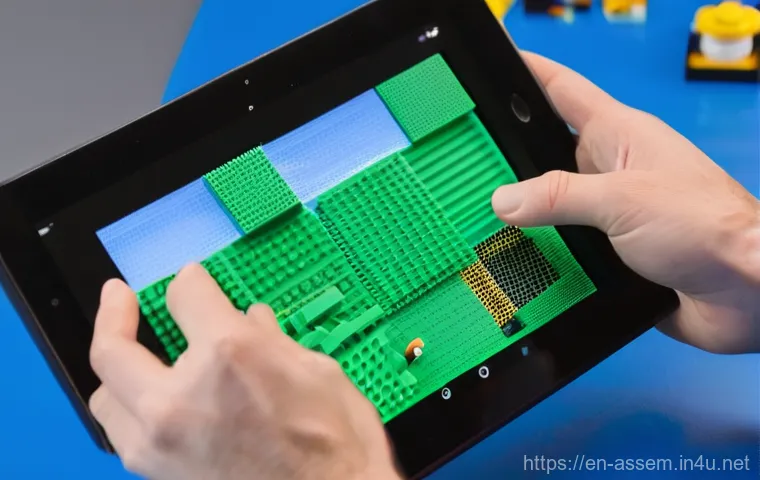
There’s nothing quite like the thrill of rediscovering an old LEGO set, or perhaps you’ve just inherited a fantastic collection that’s missing its guides. The first place I always recommend my friends check, and where I personally begin my search, is right at the source: the official LEGO website. Seriously, it’s a goldmine! They’ve done an incredible job creating a robust database where you can download instructions for thousands of sets, sometimes even those dating back decades. I remember once trying to rebuild a classic space set from my childhood – set number 6950, the Mobile Rocket Transport – and to my utter delight, the PDF was right there, clear as day! It felt like unlocking a time capsule. You can usually search by set number, keyword, theme, or even the year it was released. This is usually my quickest win, especially for sets from the late 90s onwards. Even if you don’t have the exact set number, a quick search for “LEGO [Theme Name] [Year]” can often get you in the ballpark, and then you can visually identify your set from the results. It’s a huge relief to find what you need without having to scour dusty boxes or resort to buying a second-hand manual for a crazy price. Believe me, the official site is your best first stop!
Navigating the Official LEGO Database
When you land on the LEGO building instructions page, you’ll find a straightforward search bar. My pro tip here is to try and be as specific as possible. If you know the set number, that’s your golden ticket! Just punch it in, and more often than not, a downloadable PDF will pop right up. If you don’t have the number, try a descriptive keyword like “LEGO Pirates Ship” or “LEGO Castle Dragon.” What I’ve found really helpful is also trying to filter by year if I have a general idea of when the set was released. This narrows down the options significantly and makes browsing a lot less overwhelming. Most of these digital files are high-quality PDFs, perfect for viewing on any device. The ease of this process makes me wonder why I ever fretted about lost paper manuals in the past!
Embracing the LEGO Builder App
For those of us who are glued to our smartphones or tablets (and let’s be honest, who isn’t these days?), the LEGO Builder app is an absolute game-changer. I downloaded it a while back, and it’s become my go-to for newer sets, and even many older ones. This app isn’t just about static PDFs; for many newer sets, it offers incredible 3D building modes where you can zoom, rotate, and even see interactive step-by-step guidance. It’s like having a digital assistant right there with you, showing you exactly where each brick goes. I’ve personally found the 3D mode invaluable for those super intricate Technic builds where a small misplacement can throw off the whole mechanism. Plus, you can save all your instructions in one place and access them across all your devices. They even have a “Build Together” mode for some sets, which is fantastic if you’re building with family or friends – everyone gets their own part of the digital blueprint! It’s truly revolutionized my building sessions, making them smoother and more enjoyable, especially when I’m on the go.
Diving into the Community-Driven Oceans of Knowledge
While the official LEGO channels are fantastic, sometimes you’re hunting for a really obscure set, perhaps a promotional item or a set so ancient that even LEGO’s expansive archive might not have it readily available online. That’s when the incredible LEGO fan community steps in, and honestly, these sites are a testament to the passion of brick enthusiasts worldwide. I’ve spent countless hours poring over these fan-made databases, and they are truly invaluable. Websites like Rebrickable and Brickset, for instance, are absolute goldmines. Rebrickable isn’t just for instructions; it’s amazing for discovering alternate builds (MOCs, or “My Own Creations”) you can make with sets you already own, which is a fantastic way to extend the life and fun of your collection! I often find myself falling down a rabbit hole there, discovering new ways to use my bricks, and more often than not, they provide instructions for these MOCs too. Then there are sites like Brickinstructions.com and LetsBuildItAgain.com which specialize in archiving older instructions, sometimes going all the way back to the 1950s! These community efforts fill in the gaps beautifully and show the true power of a dedicated fan base. It’s a wonderful feeling to find that one elusive manual thanks to another fan who took the time to scan and upload it.
Exploring Fan-Made Instruction Archives
When the official route doesn’t pan out, my next move is usually to hit up one of the major fan-curated instruction databases. Rebrickable, for example, is not only a fantastic resource for official set instructions, but it also hosts thousands of fan-uploaded custom LEGO MOCs with building instructions. I’ve often discovered alternate builds for sets I already own, breathing new life into old bricks! Similarly, Brickset is another comprehensive database that often links directly to instructions or has them available within their set pages. And if you’re diving deep into vintage territory, sites like LetsBuildItAgain.com are incredible, boasting instructions for sets dating back to 1958. It’s like a digital archaeological dig, and the reward is that sweet, sweet building satisfaction. What I love about these sites is the community aspect; often, you’ll find comments or forum discussions that can help clarify a tricky step or even point you to a better version of instructions if there were known errors in the original. I’ve learned so much just by browsing these rich resources.
Unlocking Custom Creations (MOCs)
Beyond just retrieving lost official instructions, the digital world opens up a universe of custom creations, or MOCs (My Own Creations). Websites like Rebrickable and The Brothers Brick are fantastic platforms where talented builders share their unique designs, often complete with free building instructions. This isn’t just about rebuilding; it’s about expanding your LEGO horizons! I’ve personally built several MOCs using instructions I found on these sites, and it’s always a refreshing challenge. It takes your building skills to the next level and lets you create something truly unique with your existing brick collection. Sometimes, these instructions are incredibly detailed, almost like professional manuals, while others might be more picture-based, relying on your visual interpretation. It’s a different kind of building adventure, and it’s one that has added immense value to my LEGO hobby, allowing me to continuously build new and exciting models without having to buy entirely new sets. The sheer creativity within the community is awe-inspiring.
Tips for a Seamless Digital Building Experience
Moving from physical paper manuals to digital screens definitely has a learning curve, but once you get the hang of it, you might never go back! I’ve picked up a few tricks over the years that have made my digital building sessions incredibly smooth and enjoyable. Firstly, having a dedicated tablet stand or even just propping up your device at eye level can make a world of difference. No more craning your neck or battling with a paper booklet that refuses to stay open! I also find that dimming the room lights and having good backlighting on my tablet reduces eye strain, especially during those marathon building sessions. I’ve made the mistake of trying to build from a small phone screen, and trust me, squinting at tiny details is no fun. A larger screen is always preferable. Another personal preference of mine is to use a stylus for tapping through steps, keeping my greasy brick-handling fingers off the screen. It sounds small, but it keeps my tablet clean and responsive! Plus, for those super complex builds, I sometimes screenshot individual steps and zoom in even further, marking them up with a digital pen if needed. It’s all about adapting the tools to make your experience the best it can be. These small adjustments truly enhance the overall build.
Optimizing Your Digital Workspace
Creating an ergonomic and efficient digital building space is key to enjoying your newfound instruction freedom. I always recommend finding a stable stand for your tablet or laptop. This frees up your hands for sorting and building and prevents those annoying accidental screen touches that skip steps. Lighting is another crucial element; a well-lit workspace without glare on your screen makes it much easier to distinguish between similar-looking dark bricks, which can sometimes be a challenge even with physical instructions. I personally prefer using my iPad on a flexible arm stand so I can adjust it perfectly, and sometimes I even cast the instructions to a larger TV screen for epic builds – it’s like a cinematic LEGO experience! Keep your device charged, or better yet, keep it plugged in to avoid frustrating interruptions in the middle of a complex section. A small, clean microfibre cloth nearby for quick screen wipes is also a lifesaver, keeping your view crystal clear.
Managing Your Digital Library
Once you start collecting digital instructions, you’ll want a system to keep them organized, just like you would with physical manuals. I personally create folders on my computer and cloud storage (like Google Drive or Dropbox) categorized by theme (e.g., “Star Wars,” “City,” “Creator Expert”). Within those folders, I keep the PDFs named clearly by set number and name. For example, “75300_Imperial_Tie_Fighter.pdf.” If I download instructions from a fan site, I make a note of the source in the filename or a separate text file. This kind of systematic approach saves me so much time when I want to rebuild something or reference a particular technique. The LEGO Builder app also does a fantastic job of managing your digital library directly within the app, letting you save your favorite sets for quick access. It’s a wonderful feeling to have all your manuals neatly cataloged and instantly searchable, without a single paper booklet taking up shelf space.
Troubleshooting Common Digital Instruction Hiccups
Even in our wonderful digital world, things aren’t always perfectly smooth sailing. I’ve definitely run into my fair share of quirks and challenges when using digital instructions, and I’m sure you will too if you haven’t already! One of the most common issues I hear about, and have experienced myself, is distinguishing between very similar colors in the digital renderings – particularly black, dark gray, and sometimes even dark blue. In a poorly lit room or on a screen with less-than-perfect calibration, these can blur into one frustrating blob! When this happens, I usually try to zoom in as much as possible, or if I’m using the LEGO Builder app, I’ll switch to the 3D view to get a better angle. Another thing that can trip you up, especially with older, scanned instructions, is low-resolution images or missing pages. If that happens, my go-to strategy is to cross-reference with another fan site or even a quick YouTube search for a build video of that specific set. Someone out there has usually encountered the same problem and found a solution! It’s all part of the digital adventure, and a little patience (and a good internet connection!) usually resolves most issues. Don’t let a small hiccup deter you from the convenience digital instructions offer.
When Colors Play Tricks on Your Eyes
Ah, the classic black-vs-dark-gray conundrum! I swear, sometimes it feels like LEGO instructions are designed to test your color perception, especially on a digital screen. This is a common complaint, particularly with instructions from the early to mid-2000s where the CGI renderings weren’t always the clearest. My personal workaround involves two main strategies. First, I always make sure I’m building in a well-lit area. Sounds simple, but it truly helps! Second, if I’m really stumped, I’ll temporarily sort out all the pieces of the suspect color for that step and compare them directly to the image, looking for subtle differences in shading or unique elements. For newer sets using the LEGO Builder app, the 3D mode often allows for rotating the model, which can reveal subtle angles or connections that clarify piece placement. If all else fails, a quick search for images of the completed step online can often provide the visual confirmation you need. It’s a little extra effort, but it saves the frustration of a misbuilt section.
Navigating Incomplete or Poor-Quality Scans
While the digital archives are fantastic, sometimes you’ll stumble upon an instruction manual that’s a bit rough around the edges – perhaps a low-resolution scan, a blurry page, or even a missing page or two. When this happens, don’t panic! My first piece of advice is to check multiple sources. If you found it on a fan site, try the official LEGO site, or vice-versa. Often, different sites will have different quality scans or even alternate versions. If it’s a super old set, I’ve had luck on forums like Reddit’s r/lego, asking if anyone has a better copy. The LEGO community is incredibly helpful! Sometimes, even if the instructions are a bit wonky, combining them with a detailed parts list (which many fan sites also provide) can help you piece together the puzzle. Remember, for truly stubborn cases, reaching out to LEGO customer service has occasionally yielded positive results, especially for parts lists or clarification on known instruction errors. It’s all about leveraging the resources available and not giving up!
The Undeniable Perks of Going Digital with Instructions
Alright, let’s be honest, for us veteran builders, there’s a certain nostalgia tied to those crisp paper instruction booklets. The smell of fresh paper, the satisfying flip of a page… I get it, I truly do! But after years of embracing digital instructions, I can wholeheartedly say the benefits far outweigh the sentimental attachment. For starters, organization is a dream! No more overflowing binders, crumpled pages, or the frantic search for that one tiny booklet that always seems to vanish. All my digital instructions live happily on my tablet or in the cloud, always accessible, always neat. This not only saves precious physical space in my dedicated LEGO room (which, let’s face it, is always at a premium!), but it also prevents wear and tear on valuable vintage manuals. I’ve seen some old instructions sell for a pretty penny online, and keeping them pristine digitally means I don’t have to risk damaging them during a rebuild. Plus, the interactive features of apps like the LEGO Builder app, with their 3D models and zoom capabilities, actually make building more intuitive and less prone to errors. It’s truly a game-changer for complex models where seeing a piece from multiple angles can be crucial. It just streamlines the entire process, making building a joy rather than a hunt.
Space-Saving and Preservation for the Win
One of the most immediate and tangible benefits of switching to digital instructions is the sheer amount of physical space you reclaim. Think about it: a single tablet can hold thousands of instruction manuals, replacing countless bulky paper booklets that would otherwise clutter your shelves or fill up storage bins. I used to have an entire filing cabinet dedicated to LEGO instructions, and now, almost all of those are digitized and archived, freeing up that space for more bricks (because, priorities!). This also ties into the preservation aspect. Many older instruction manuals are becoming quite rare and valuable. Keeping them digitally means you’re not subjecting those physical copies to further wear and tear, accidental spills, or the dreaded yellowing of age. It’s like having a pristine, digital backup of every single one of your precious building guides, ensuring they remain in perfect condition for future generations of builders or if you ever decide to sell a vintage set. It’s a win-win for both convenience and conservation.
Enhanced Clarity and Interactive Building
Honestly, the clarity offered by digital instructions is often superior to their paper counterparts, especially for complex builds. With a digital file, you can zoom in with incredible detail, scrutinizing every single stud and connection point. This is a massive advantage when you’re dealing with intricate sub-assemblies or trying to discern between very similar colored bricks. The LEGO Builder app takes this to an entirely new level with its 3D building mode. Being able to rotate the model and view each step from any angle is something that traditional paper instructions simply cannot replicate. I’ve found this particularly helpful when building large Creator Expert sets or Technic models, where spatial reasoning is critical. It reduces the chance of making a mistake early on that could ripple through the entire build, saving you precious time and frustration. This interactive experience truly makes the building process more engaging and less daunting, transforming what could be a challenge into a truly immersive creative flow. It’s not just about finding the instructions; it’s about making the build better.
Beyond the Manual: Other Digital LEGO Resources
Okay, so we’ve conquered the quest for lost instructions, but the digital LEGO universe has so much more to offer! It’s not just about following steps; it’s about expanding your creative toolkit and connecting with a global community of builders. For example, have you ever heard of BrickLink Studio (also known as Stud.io)? It’s a free, official LEGO program that lets you design your own models using virtual bricks. I’ve personally used it to plan out some custom MOCs, and it’s incredible – you have access to virtually every LEGO piece in every color, and you can even generate your own professional-looking instructions from your digital designs! It’s fantastic for testing ideas before committing to physical bricks, saving money and avoiding “oops” moments. Then there are resources like Brickset and Rebrickable, which offer comprehensive databases of set inventories, allowing you to check if a second-hand set is complete or to find specific parts you might need. I’ve found these invaluable when trying to piece together incomplete collections or planning out a larger project. And for those who love to stay updated, many fan blogs and YouTube channels offer reviews, building tips, and news, keeping you in the loop on all things LEGO. It’s a thriving ecosystem, and once you start exploring, you’ll find endless inspiration and tools to enhance your hobby.
Designing Your Own Masterpieces with Digital Tools
For those of us who dream beyond the official sets and yearn to create our own LEGO masterpieces, digital design tools are an absolute revelation. BrickLink Studio, or Stud.io as many of us call it, is a free software from the LEGO Group that provides a virtual sandbox with an extensive library of digital LEGO bricks. I’ve spent countless hours in Studio, meticulously designing custom vehicles and modular building extensions. The ability to “build” virtually, experiment with colors and pieces without spending a dime on physical bricks, is incredibly liberating. It saves both time and money, allowing you to perfect your design before you even think about ordering parts. What’s even cooler is that Studio can generate professional-looking building instructions from your digital models, complete with step-by-step visuals. It’s an invaluable tool for MOC designers and anyone looking to truly unleash their creative potential without the physical limitations of real bricks. If you haven’t tried it, you’re missing out on a whole new dimension of LEGO building!
Unlocking the Power of Digital Inventories
Beyond instructions, the digital world offers powerful tools for managing your entire LEGO collection. Websites like Brickset and Rebrickable maintain incredibly detailed databases of LEGO sets, including comprehensive inventories of all the pieces included in each set. I personally use these resources constantly, especially when I’m acquiring a used set and want to make sure all the parts are there, or when I’m trying to figure out which specific piece I need for a custom build. You can often search for sets by number, theme, or even specific parts. Rebrickable, in particular, has a fantastic feature where you can input your existing collection and it will tell you what MOCs or even official sets you can build with the bricks you already own. This is an absolute game-changer for maximizing your existing collection and finding new projects without constantly buying new sets. It empowers you to be a smarter, more efficient builder, and it has genuinely transformed how I approach my LEGO hobby.
Organizing Your Digital LEGO Life: Best Practices
So, you’ve dived headfirst into the digital world of LEGO instructions and resources. That’s fantastic! But just like with physical bricks, a little organization goes a long way. Trust me, I learned this the hard way with a chaotic “Downloads” folder that became a black hole for PDFs. Now, I have a system that keeps everything easily accessible and stress-free. For my downloaded instruction PDFs, I create a main “LEGO Instructions” folder, then sub-folders for each major theme (e.g., “Star Wars,” “City,” “Technic”). Within those, I name the files clearly with the set number and name (e.g., “75292_The_Razor_Crest.pdf”). This consistent naming convention is a lifesaver when you’re searching for something specific. For instructions I access frequently, or for newer sets, the LEGO Builder app becomes my primary library, as it keeps everything organized beautifully within the app itself and syncs across devices. Beyond instructions, I also have a dedicated folder for my BrickLink Studio project files and another for any MOC instructions I’ve downloaded from fan sites. Keeping everything neatly categorized means less time searching and more time building – and isn’t that what we all want? It truly streamlines the entire process, making my hobby even more enjoyable and less about digital clutter. This systematic approach is something I preach to all my fellow builders!
Creating a Smart Digital Filing System
Just as you’d sort your physical bricks, a well-structured digital filing system for your instructions is paramount. My approach is simple but effective: I have a main “LEGO Instructions” folder on my computer and a mirrored one in my cloud storage (Google Drive is my preference). Inside, I create subfolders for broad themes like “Star Wars,” “City,” “Creator Expert,” and “Vintage.” Then, each PDF instruction file is named with the set number first, followed by the set name. For instance, “75192_Millennium_Falcon.pdf”. This format makes it incredibly easy to search and find specific sets, whether I’m browsing manually or using my computer’s search function. For MOC instructions or fan-made guides, I have a separate “Custom Builds” folder, again, sorted by theme or designer. The key is consistency. Once you establish a system that makes sense to you, stick to it. This simple habit prevents endless scrolling and ensures that your digital library of blueprints remains a helpful resource, not a source of frustration.
Leveraging Cloud Storage for Accessibility and Backup
I cannot stress enough the importance of cloud storage for your digital LEGO life. Losing your physical instructions is one thing, but losing your entire digital library due to a hard drive crash would be a catastrophe! That’s why I back up all my essential LEGO files – instructions, MOC designs, parts lists – to a reliable cloud service. This isn’t just about safety; it’s about accessibility. With my files in the cloud, I can access them from any device, anywhere, anytime. Whether I’m on my laptop, tablet, or even my phone, I can pull up an instruction manual in seconds. This has been a lifesaver when I’m traveling and want to do some casual building, or when I’m at a friend’s house and we decide to tackle a set. It also makes sharing instructions with fellow builders incredibly easy, which fosters that wonderful sense of community we all cherish in the LEGO world. Think of cloud storage as your indestructible, always-available LEGO vault!
| Resource Type | Primary Use | Key Benefits |
|---|---|---|
| Official LEGO Website | New & Older Set Instructions | High-quality PDFs, wide range of sets, direct from source |
| LEGO Builder App | New & Some Older Sets, Interactive Builds | 3D building mode, zoom/rotate, multi-device sync, “Build Together” feature |
| Rebrickable | Official, MOC, Alternate Build Instructions & Part Inventories | Massive database, MOC discovery, “build with your bricks” tool |
| LetsBuildItAgain.com | Very Old & Vintage Set Instructions | Specializes in historical archives, sets dating back to 1958 |
| BrickLink Studio (Stud.io) | Digital Model Design & Custom Instruction Generation | Free virtual building, extensive parts library, generates PDF instructions |
| Brickset | Set Database, Inventories & Instruction Links | Comprehensive set info, part lists, community hub |
Why Digital Instructions are the Future for Builders
If you’re still on the fence about going digital with your LEGO instructions, let me share why I truly believe this is the future for all builders, from casual enthusiasts to hardcore AFOLs (Adult Fans of LEGO). The sheer convenience is unparalleled. Imagine having every instruction manual you own, and thousands more, instantly accessible on a device that fits in your backpack. No more lugging around heavy binders or meticulously filing away paper. This instant access profoundly impacts your building flow, letting you switch between projects or reference a technique without breaking stride. Moreover, the environmental aspect is something I deeply appreciate. By reducing the demand for paper manuals, we’re all contributing to a more sustainable hobby, which feels pretty good, right? The enhanced features, like the interactive 3D models and zoom capabilities in apps, genuinely make the building process more engaging and less error-prone, especially for complex or visually challenging steps. It’s not just a replacement for paper; it’s an upgrade to the entire building experience. As someone who’s seen the LEGO world evolve over the years, I can tell you that embracing these digital tools isn’t just about keeping up with the times; it’s about unlocking a richer, more efficient, and ultimately more enjoyable building journey. So, if you haven’t already, I truly encourage you to give digital instructions a real shot. Your bricks (and your shelves!) will thank you for it!
Ready to take your LEGO game to the next level? We’ve covered a ton of ground today, from finding those tricky lost manuals to designing your own creations. But the journey doesn’t stop here! If you’re looking for even more advanced building techniques, insider tips on rare sets, or want to connect with a passionate community of builders, make sure to explore more of my blog posts. I’m constantly sharing new insights and strategies to help you get the most out of your LEGO hobby. And hey, if you found this guide helpful, why not share it with a fellow brick enthusiast? Every share helps this community grow, and who knows, you might just help someone rediscover their next great build. Happy clicking, my friends!
Looking for a specific LEGO piece to complete your set or MOC? Check out some of my favorite trusted online retailers for individual bricks and rare elements. Finding that one elusive part can make all the difference, and these stores often have fantastic selections. Happy hunting!
Hey there, fellow builders and brick architects! So, you’ve hit that familiar wall, haven’t you? You’re staring at a pile of perfectly sorted (or maybe not-so-perfectly sorted, no judgment here!) LEGO bricks, a brilliant idea sparking in your mind, but then it hits you: where are those darn instructions?
It’s a tale as old as time for any LEGO enthusiast. Maybe your cat decided the original booklet made a fantastic new toy, or perhaps it succumbed to the perils of an over-enthusiastic cleaning spree.
Whatever the case, a missing manual used to spell doom for a building project. But fear not, my brick-loving friends, because in this glorious digital age, a lost paper manual is merely a minor detour, not a dead end!
I’ve personally navigated this digital landscape many times, and let me tell you, finding those elusive instructions online has saved countless afternoons and kept the building magic alive in my own home.
It’s all about knowing where to look and embracing the convenience that modern technology offers us. So, let’s dive into how you can easily find those missing LEGO instructions and get back to clicking those bricks together!
Unearthing Your Lost Blueprint: Starting Your Digital Quest
There’s nothing quite like the thrill of rediscovering an old LEGO set, or perhaps you’ve just inherited a fantastic collection that’s missing its guides. The first place I always recommend my friends check, and where I personally begin my search, is right at the source: the official LEGO website. Seriously, it’s a goldmine! They’ve done an incredible job creating a robust database where you can download instructions for thousands of sets, sometimes even those dating back decades. I remember once trying to rebuild a classic space set from my childhood – set number 6950, the Mobile Rocket Transport – and to my utter delight, the PDF was right there, clear as day! It felt like unlocking a time capsule. You can usually search by set number, keyword, theme, or even the year it was released. This is usually my quickest win, especially for sets from the late 90s onwards. Even if you don’t have the exact set number, a quick search for “LEGO [Theme Name] [Year]” can often get you in the ballpark, and then you can visually identify your set from the results. It’s a huge relief to find what you need without having to scour dusty boxes or resort to buying a second-hand manual for a crazy price. Believe me, the official site is your best first stop!
Navigating the Official LEGO Database
When you land on the LEGO building instructions page, you’ll find a straightforward search bar. My pro tip here is to try and be as specific as possible. If you know the set number, that’s your golden ticket! Just punch it in, and more often than not, a downloadable PDF will pop right up. If you don’t have the number, try a descriptive keyword like “LEGO Pirates Ship” or “LEGO Castle Dragon.” What I’ve found really helpful is also trying to filter by year if I have a general idea of when the set was released. This narrows down the options significantly and makes browsing a lot less overwhelming. Most of these digital files are high-quality PDFs, perfect for viewing on any device. The ease of this process makes me wonder why I ever fretted about lost paper manuals in the past!
Embracing the LEGO Builder App

For those of us who are glued to our smartphones or tablets (and let’s be honest, who isn’t these days?), the LEGO Builder app is an absolute game-changer. I downloaded it a while back, and it’s become my go-to for newer sets, and even many older ones. This app isn’t just about static PDFs; for many newer sets, it offers incredible 3D building modes where you can zoom, rotate, and even see interactive step-by-step guidance. It’s like having a digital assistant right there with you, showing you exactly where each brick goes. I’ve personally found the 3D mode invaluable for those super intricate Technic builds where a small misplacement can throw off the whole mechanism. Plus, you can save all your instructions in one place and access them across all your devices. They even have a “Build Together” mode for some sets, which is fantastic if you’re building with family or friends – everyone gets their own part of the digital blueprint! It’s truly revolutionized my building sessions, making them smoother and more enjoyable, especially when I’m on the go.
Diving into the Community-Driven Oceans of Knowledge
While the official LEGO channels are fantastic, sometimes you’re hunting for a really obscure set, perhaps a promotional item or a set so ancient that even LEGO’s expansive archive might not have it readily available online. That’s when the incredible LEGO fan community steps in, and honestly, these sites are a testament to the passion of brick enthusiasts worldwide. I’ve spent countless hours poring over these fan-made databases, and they are truly invaluable. Websites like Rebrickable and Brickset, for instance, are absolute goldmines. Rebrickable isn’t just for instructions; it’s amazing for discovering alternate builds (MOCs, or “My Own Creations”) you can make with sets you already own, which is a fantastic way to extend the life and fun of your collection! I often find myself falling down a rabbit hole there, discovering new ways to use my bricks, and more often than not, they provide instructions for these MOCs too. Then there are sites like Brickinstructions.com and LetsBuildItAgain.com which specialize in archiving older instructions, sometimes going all the way back to the 1950s! These community efforts fill in the gaps beautifully and show the true power of a dedicated fan base. It’s a wonderful feeling to find that one elusive manual thanks to another fan who took the time to scan and upload it.
Exploring Fan-Made Instruction Archives
When the official route doesn’t pan out, my next move is usually to hit up one of the major fan-curated instruction databases. Rebrickable, for example, is not only a fantastic resource for official set instructions, but it also hosts thousands of fan-uploaded custom LEGO MOCs with building instructions. I’ve often discovered alternate builds for sets I already own, breathing new life into old bricks! Similarly, Brickset is another comprehensive database that often links directly to instructions or has them available within their set pages. And if you’re diving deep into vintage territory, sites like LetsBuildItAgain.com are incredible, boasting instructions for sets dating back to 1958. It’s like a digital archaeological dig, and the reward is that sweet, sweet building satisfaction. What I love about these sites is the community aspect; often, you’ll find comments or forum discussions that can help clarify a tricky step or even point you to a better version of instructions if there were known errors in the original. I’ve learned so much just by browsing these rich resources.
Unlocking Custom Creations (MOCs)
Beyond just retrieving lost official instructions, the digital world opens up a universe of custom creations, or MOCs (My Own Creations). Websites like Rebrickable and The Brothers Brick are fantastic platforms where talented builders share their unique designs, often complete with free building instructions. This isn’t just about rebuilding; it’s about expanding your LEGO horizons! I’ve personally built several MOCs using instructions I found on these sites, and it’s always a refreshing challenge. It takes your building skills to the next level and lets you create something truly unique with your existing brick collection. Sometimes, these instructions are incredibly detailed, almost like professional manuals, while others might be more picture-based, relying on your visual interpretation. It’s a different kind of building adventure, and it’s one that has added immense value to my LEGO hobby, allowing me to continuously build new and exciting models without having to buy entirely new sets. The sheer creativity within the community is awe-inspiring.
Tips for a Seamless Digital Building Experience
Moving from physical paper manuals to digital screens definitely has a learning curve, but once you get the hang of it, you might never go back! I’ve picked up a few tricks over the years that have made my digital building sessions incredibly smooth and enjoyable. Firstly, having a dedicated tablet stand or even just propping up your device at eye level can make a world of difference. No more craning your neck or battling with a paper booklet that refuses to stay open! I also find that dimming the room lights and having good backlighting on my tablet reduces eye strain, especially during those marathon building sessions. I’ve made the mistake of trying to build from a small phone screen, and trust me, squinting at tiny details is no fun. A larger screen is always preferable. Another personal preference of mine is to use a stylus for tapping through steps, keeping my greasy brick-handling fingers off the screen. It sounds small, but it keeps my tablet clean and responsive! Plus, for those super complex builds, I sometimes screenshot individual steps and zoom in even further, marking them up with a digital pen if needed. It’s all about adapting the tools to make your experience the best it can be. These small adjustments truly enhance the overall build.
Optimizing Your Digital Workspace
Creating an ergonomic and efficient digital building space is key to enjoying your newfound instruction freedom. I always recommend finding a stable stand for your tablet or laptop. This frees up your hands for sorting and building and prevents those annoying accidental screen touches that skip steps. Lighting is another crucial element; a well-lit workspace without glare on your screen makes it much easier to distinguish between similar-looking dark bricks, which can sometimes be a challenge even with physical instructions. I personally prefer using my iPad on a flexible arm stand so I can adjust it perfectly, and sometimes I even cast the instructions to a larger TV screen for epic builds – it’s like a cinematic LEGO experience! Keep your device charged, or better yet, keep it plugged in to avoid frustrating interruptions in the middle of a complex section. A small, clean microfibre cloth nearby for quick screen wipes is also a lifesaver, keeping your view crystal clear.
Managing Your Digital Library
Once you start collecting digital instructions, you’ll want a system to keep them organized, just like you would with physical manuals. I personally create folders on my computer and cloud storage (like Google Drive or Dropbox) categorized by theme (e.g., “Star Wars,” “City,” “Creator Expert”). Within those folders, I keep the PDFs named clearly by set number and name. For example, “75300_Imperial_Tie_Fighter.pdf.” If I download instructions from a fan site, I make a note of the source in the filename or a separate text file. This kind of systematic approach saves me so much time when I want to rebuild something or reference a particular technique. The LEGO Builder app also does a fantastic job of managing your digital library directly within the app, letting you save your favorite sets for quick access. It’s a wonderful feeling to have all your manuals neatly cataloged and instantly searchable, without a single paper booklet taking up shelf space.
Troubleshooting Common Digital Instruction Hiccups
Even in our wonderful digital world, things aren’t always perfectly smooth sailing. I’ve definitely run into my fair share of quirks and challenges when using digital instructions, and I’m sure you will too if you haven’t already! One of the most common issues I hear about, and have experienced myself, is distinguishing between very similar colors in the digital renderings – particularly black, dark gray, and sometimes even dark blue. In a poorly lit room or on a screen with less-than-perfect calibration, these can blur into one frustrating blob! When this happens, I usually try to zoom in as much as possible, or if I’m using the LEGO Builder app, I’ll switch to the 3D view to get a better angle. Another thing that can trip you up, especially with older, scanned instructions, is low-resolution images or missing pages. If that happens, my go-to strategy is to cross-reference with another fan site or even a quick YouTube search for a build video of that specific set. Someone out there has usually encountered the same problem and found a solution! It’s all part of the digital adventure, and a little patience (and a good internet connection!) usually resolves most issues. Don’t let a small hiccup deter you from the convenience digital instructions offer.
When Colors Play Tricks on Your Eyes
Ah, the classic black-vs-dark-gray conundrum! I swear, sometimes it feels like LEGO instructions are designed to test your color perception, especially on a digital screen. This is a common complaint, particularly with instructions from the early to mid-2000s where the CGI renderings weren’t always the clearest. My personal workaround involves two main strategies. First, I always make sure I’m building in a well-lit area. Sounds simple, but it truly helps! Second, if I’m really stumped, I’ll temporarily sort out all the pieces of the suspect color for that step and compare them directly to the image, looking for subtle differences in shading or unique elements. For newer sets using the LEGO Builder app, the 3D mode often allows for rotating the model, which can reveal subtle angles or connections that clarify piece placement. If all else fails, a quick search for images of the completed step online can often provide the visual confirmation you need. It’s a little extra effort, but it saves the frustration of a misbuilt section.
Navigating Incomplete or Poor-Quality Scans
While the digital archives are fantastic, sometimes you’ll stumble upon an instruction manual that’s a bit rough around the edges – perhaps a low-resolution scan, a blurry page, or even a missing page or two. When this happens, don’t panic! My first piece of advice is to check multiple sources. If you found it on a fan site, try the official LEGO site, or vice-versa. Often, different sites will have different quality scans or even alternate versions. If it’s a super old set, I’ve had luck on forums like Reddit’s r/lego, asking if anyone has a better copy. The LEGO community is incredibly helpful! Sometimes, even if the instructions are a bit wonky, combining them with a detailed parts list (which many fan sites also provide) can help you piece together the puzzle. Remember, for truly stubborn cases, reaching out to LEGO customer service has occasionally yielded positive results, especially for parts lists or clarification on known instruction errors. It’s all about leveraging the resources available and not giving up!
The Undeniable Perks of Going Digital with Instructions
Alright, let’s be honest, for us veteran builders, there’s a certain nostalgia tied to those crisp paper instruction booklets. The smell of fresh paper, the satisfying flip of a page… I get it, I truly do! But after years of embracing digital instructions, I can wholeheartedly say the benefits far outweigh the sentimental attachment. For starters, organization is a dream! No more overflowing binders, crumpled pages, or the frantic search for that one tiny booklet that always seems to vanish. All my digital instructions live happily on my tablet or in the cloud, always accessible, always neat. This not only saves precious physical space in my dedicated LEGO room (which, let’s face it, is always at a premium!), but it also prevents wear and tear on valuable vintage manuals. I’ve seen some old instructions sell for a pretty penny online, and keeping them pristine digitally means I don’t have to risk damaging them during a rebuild. Plus, the interactive features of apps like the LEGO Builder app, with their 3D models and zoom capabilities, actually make building more intuitive and less prone to errors. It’s truly a game-changer for complex models where seeing a piece from multiple angles can be crucial. It just streamlines the entire process, making building a joy rather than a hunt.
Space-Saving and Preservation for the Win
One of the most immediate and tangible benefits of switching to digital instructions is the sheer amount of physical space you reclaim. Think about it: a single tablet can hold thousands of instruction manuals, replacing countless bulky paper booklets that would otherwise clutter your shelves or fill up storage bins. I used to have an entire filing cabinet dedicated to LEGO instructions, and now, almost all of those are digitized and archived, freeing up that space for more bricks (because, priorities!). This also ties into the preservation aspect. Many older instruction manuals are becoming quite rare and valuable. Keeping them digitally means you’re not subjecting those physical copies to further wear and tear, accidental spills, or the dreaded yellowing of age. It’s like having a pristine, digital backup of every single one of your precious building guides, ensuring they remain in perfect condition for future generations of builders or if you ever decide to sell a vintage set. It’s a win-win for both convenience and conservation.
Enhanced Clarity and Interactive Building
Honestly, the clarity offered by digital instructions is often superior to their paper counterparts, especially for complex builds. With a digital file, you can zoom in with incredible detail, scrutinizing every single stud and connection point. This is a massive advantage when you’re dealing with intricate sub-assemblies or trying to discern between very similar colored bricks. The LEGO Builder app takes this to an entirely new level with its 3D building mode. Being able to rotate the model and view each step from any angle is something that traditional paper instructions simply cannot replicate. I’ve found this particularly helpful when building large Creator Expert sets or Technic models, where spatial reasoning is critical. It reduces the chance of making a mistake early on that could ripple through the entire build, saving you precious time and frustration. This interactive experience truly makes the building process more engaging and less daunting, transforming what could be a challenge into a truly immersive creative flow. It’s not just about finding the instructions; it’s about making the build better.
Beyond the Manual: Other Digital LEGO Resources
Okay, so we’ve conquered the quest for lost instructions, but the digital LEGO universe has so much more to offer! It’s not just about following steps; it’s about expanding your creative toolkit and connecting with a global community of builders. For example, have you ever heard of BrickLink Studio (also known as Stud.io)? It’s a free, official LEGO program that lets you design your own models using virtual bricks. I’ve personally used it to plan out some custom MOCs, and it’s incredible – you have access to virtually every LEGO piece in every color, and you can even generate your own professional-looking instructions from your digital designs! It’s fantastic for testing ideas before committing to physical bricks, saving money and avoiding “oops” moments. Then there are resources like Brickset and Rebrickable, which offer comprehensive databases of set inventories, allowing you to check if a second-hand set is complete or to find specific parts you might need. I’ve found these invaluable when trying to piece together incomplete collections or planning out a larger project. And for those who love to stay updated, many fan blogs and YouTube channels offer reviews, building tips, and news, keeping you in the loop on all things LEGO. It’s a thriving ecosystem, and once you start exploring, you’ll find endless inspiration and tools to enhance your hobby.
Designing Your Own Masterpieces with Digital Tools
For those of us who dream beyond the official sets and yearn to create our own LEGO masterpieces, digital design tools are an absolute revelation. BrickLink Studio, or Stud.io as many of us call it, is a free software from the LEGO Group that provides a virtual sandbox with an extensive library of digital LEGO bricks. I’ve spent countless hours in Studio, meticulously designing custom vehicles and modular building extensions. The ability to “build” virtually, experiment with colors and pieces without spending a dime on physical bricks, is incredibly liberating. It saves both time and money, allowing you to perfect your design before you even think about ordering parts. What’s even cooler is that Studio can generate professional-looking building instructions from your digital models, complete with step-by-step visuals. It’s an invaluable tool for MOC designers and anyone looking to truly unleash their creative potential without the physical limitations of real bricks. If you haven’t tried it, you’re missing out on a whole new dimension of LEGO building!
Unlocking the Power of Digital Inventories
Beyond instructions, the digital world offers powerful tools for managing your entire LEGO collection. Websites like Brickset and Rebrickable maintain incredibly detailed databases of LEGO sets, including comprehensive inventories of all the pieces included in each set. I personally use these resources constantly, especially when I’m acquiring a used set and want to make sure all the parts are there, or when I’m trying to figure out which specific piece I need for a custom build. You can often search for sets by number, theme, or even specific parts. Rebrickable, in particular, has a fantastic feature where you can input your existing collection and it will tell you what MOCs or even official sets you can build with the bricks you already own. This is an absolute game-changer for maximizing your existing collection and finding new projects without constantly buying new sets. It empowers you to be a smarter, more efficient builder, and it has genuinely transformed how I approach my LEGO hobby.
Organizing Your Digital LEGO Life: Best Practices
So, you’ve dived headfirst into the digital world of LEGO instructions and resources. That’s fantastic! But just like with physical bricks, a little organization goes a long way. Trust me, I learned this the hard way with a chaotic “Downloads” folder that became a black hole for PDFs. Now, I have a system that keeps everything easily accessible and stress-free. For my downloaded instruction PDFs, I create a main “LEGO Instructions” folder, then sub-folders for each major theme (e.g., “Star Wars,” “City,” “Technic”). Within those, I name the files clearly with the set number and name (e.g., “75292_The_Razor_Crest.pdf”). This consistent naming convention is a lifesaver when you’re searching for something specific. For instructions I access frequently, or for newer sets, the LEGO Builder app becomes my primary library, as it keeps everything organized beautifully within the app itself and syncs across devices. Beyond instructions, I also have a dedicated folder for my BrickLink Studio project files and another for any MOC instructions I’ve downloaded from fan sites. Keeping everything neatly categorized means less time searching and more time building – and isn’t that what we all want? It truly streamlines the entire process, making my hobby even more enjoyable and less about digital clutter. This systematic approach is something I preach to all my fellow builders!
Creating a Smart Digital Filing System
Just as you’d sort your physical bricks, a well-structured digital filing system for your instructions is paramount. My approach is simple but effective: I have a main “LEGO Instructions” folder on my computer and a mirrored one in my cloud storage (Google Drive is my preference). Inside, I create subfolders for broad themes like “Star Wars,” “City,” “Creator Expert,” and “Vintage.” Then, each PDF instruction file is named with the set number first, followed by the set name. For instance, “75192_Millennium_Falcon.pdf”. This format makes it incredibly easy to search and find specific sets, whether I’m browsing manually or using my computer’s search function. For MOC instructions or fan-made guides, I have a separate “Custom Builds” folder, again, sorted by theme or designer. The key is consistency. Once you establish a system that makes sense to you, stick to it. This simple habit prevents endless scrolling and ensures that your digital library of blueprints remains a helpful resource, not a source of frustration.
Leveraging Cloud Storage for Accessibility and Backup
I cannot stress enough the importance of cloud storage for your digital LEGO life. Losing your physical instructions is one thing, but losing your entire digital library due to a hard drive crash would be a catastrophe! That’s why I back up all my essential LEGO files – instructions, MOC designs, parts lists – to a reliable cloud service. This isn’t just about safety; it’s about accessibility. With my files in the cloud, I can access them from any device, anywhere, anytime. Whether I’m on my laptop, tablet, or even my phone, I can pull up an instruction manual in seconds. This has been a lifesaver when I’m traveling and want to do some casual building, or when I’m at a friend’s house and we decide to tackle a set. It also makes sharing instructions with fellow builders incredibly easy, which fosters that wonderful sense of community we all cherish in the LEGO world. Think of cloud storage as your indestructible, always-available LEGO vault!
| Resource Type | Primary Use | Key Benefits |
|---|---|---|
| Official LEGO Website | New & Older Set Instructions | High-quality PDFs, wide range of sets, direct from source |
| LEGO Builder App | New & Some Older Sets, Interactive Builds | 3D building mode, zoom/rotate, multi-device sync, “Build Together” feature |
| Rebrickable | Official, MOC, Alternate Build Instructions & Part Inventories | Massive database, MOC discovery, “build with your bricks” tool |
| LetsBuildItAgain.com | Very Old & Vintage Set Instructions | Specializes in historical archives, sets dating back to 1958 |
| BrickLink Studio (Stud.io) | Digital Model Design & Custom Instruction Generation | Free virtual building, extensive parts library, generates PDF instructions |
| Brickset | Set Database, Inventories & Instruction Links | Comprehensive set info, part lists, community hub |
Why Digital Instructions are the Future for Builders
If you’re still on the fence about going digital with your LEGO instructions, let me share why I truly believe this is the future for all builders, from casual enthusiasts to hardcore AFOLs (Adult Fans of LEGO). The sheer convenience is unparalleled. Imagine having every instruction manual you own, and thousands more, instantly accessible on a device that fits in your backpack. No more lugging around heavy binders or meticulously filing away paper. This instant access profoundly impacts your building flow, letting you switch between projects or reference a technique without breaking stride. Moreover, the environmental aspect is something I deeply appreciate. By reducing the demand for paper manuals, we’re all contributing to a more sustainable hobby, which feels pretty good, right? The enhanced features, like the interactive 3D models and zoom capabilities in apps, genuinely make the building process more engaging and less error-prone, especially for complex or visually challenging steps. It’s not just a replacement for paper; it’s an upgrade to the entire building experience. As someone who’s seen the LEGO world evolve over the years, I can tell you that embracing these digital tools isn’t just about keeping up with the times; it’s about unlocking a richer, more efficient, and ultimately more enjoyable building journey. So, if you haven’t already, I truly encourage you to give digital instructions a real shot. Your bricks (and your shelves!) will thank you for it!
Ready to take your LEGO game to the next level? We’ve covered a ton of ground today, from finding those tricky lost manuals to designing your own creations. But the journey doesn’t stop here! If you’re looking for even more advanced building techniques, insider tips on rare sets, or want to connect with a passionate community of builders, make sure to explore more of my blog posts. I’m constantly sharing new insights and strategies to help you get the most out of your LEGO hobby. And hey, if you found this guide helpful, why not share it with a fellow brick enthusiast? Every share helps this community grow, and who knows, you might just help someone rediscover their next great build. Happy clicking, my friends!
Looking for a specific LEGO piece to complete your set or MOC? Check out some of my favorite trusted online retailers for individual bricks and rare elements. Finding that one elusive part can make all the difference, and these stores often have fantastic selections. Happy hunting!
Wrapping Up Our Brick Adventure
And there you have it, my fellow brick enthusiasts! We’ve navigated the digital seas, hunted down those elusive instructions, and unlocked a whole new world of LEGO building. I genuinely hope this guide helps you get back to what you love most – clicking bricks together and bringing your imaginative creations to life. It’s been a fantastic journey exploring these resources, and personally, I’ve found that embracing the digital side of our hobby has only deepened my passion for LEGO. Remember, a lost paper manual is just an opportunity to explore the incredible online community and tools available to us. So go forth, build with confidence, and never let a missing instruction booklet stand between you and your next masterpiece!
Handy Tips for Your Digital Building Toolkit
Here are a few quick takeaways and useful nuggets of info I’ve gathered from my own building experiences that I think you’ll appreciate as you dive deeper into digital LEGO life:
1. Always Check the Official LEGO Site First: Seriously, it’s often the quickest and most reliable source for official instructions, even for older sets. Their database is surprisingly vast and regularly updated. Don’t overlook it!
2. Invest in a Good Tablet Stand: Trust me on this one. It makes a world of difference for ergonomics and keeping your hands free. Your neck and wrists will thank you during those long building sessions, and it keeps your screen clean too.
3. Leverage the LEGO Builder App’s 3D Views: For complex models, the ability to rotate the digital model and see piece placement from multiple angles is an absolute game-changer. It vastly reduces mistakes and confusion.
4. Explore Fan Sites for MOCs and Vintage Manuals: When official sources fall short, the passionate LEGO community on sites like Rebrickable and LetsBuildItAgain.com can be your best friends. They’re treasure troves of custom builds and archived instructions.
5. Organize Your Digital Files Proactively: A little bit of upfront organization (like themed folders and consistent naming conventions) saves a ton of headaches later. Treat your digital library with the same care you treat your physical bricks!
Embracing these small habits and resources will truly elevate your LEGO building experience, making it smoother, more enjoyable, and even more creative. It’s amazing how much these digital aids have transformed my own approach to this beloved hobby!
The Big Picture: Key Benefits of Going Digital
So, what’s the ultimate takeaway from our deep dive into digital LEGO instructions? It boils down to unparalleled convenience, incredible accessibility, and an enhanced building experience that paper manuals simply can’t match. By embracing digital, you’re saving physical space, preserving valuable vintage instructions, and gaining access to interactive tools that can make even the most daunting builds a pure joy. This shift isn’t just about finding what’s lost; it’s about optimizing your entire LEGO journey, connecting with a vibrant global community, and unlocking new creative potentials, all while making your hobby a bit more sustainable. It’s a powerful evolution for every LEGO enthusiast, ensuring that the magic of building is always just a tap away, wherever you are.
Frequently Asked Questions (FAQ) 📖
Q: My physical LEGO instructions disappeared! What’s the absolute best first place to check for digital versions?
A: Oh, I totally get that sinking feeling! It’s happened to me more times than I care to admit. From my own experience, the very first place you should always head to is the official LEGO website.
They have an incredible, ever-growing database of instruction manuals, and it’s usually incredibly easy to navigate. Just pop in your set number, and more often than not, you’ll find a crisp, clear digital PDF ready for download.
It’s a super reliable starting point, and I’ve found that their digital instructions are perfectly formatted, sometimes even with better clarity than the original printed versions.
Plus, it’s comforting to know you’re getting the official, correct guide straight from the source. Seriously, it’s a lifesaver for countless builds I’ve tackled!
Q: Are digital LEGO instructions really as good as the traditional paper manuals? I’m a bit old-school and love the feel of the booklet.
A: I hear you! There’s definitely a nostalgic charm to flipping through those glossy paper booklets, and I felt the same way for a long time. But honestly, I’ve completely converted!
While nothing beats the tactile experience of a physical manual, digital instructions offer so many advantages that have genuinely enhanced my building process.
Think about it: no more lost pages, no more crumpled corners, and you can zoom in on those tiny, intricate steps with ease, which is a total game-changer for complex builds.
Plus, keeping them organized is a breeze; no more cluttered shelves! I’ve personally found that having them on a tablet next to my building space is incredibly convenient.
It frees up space and keeps my workspace much tidier. It took a little getting used to, but once you experience the convenience and clarity, you might just find yourself a convert too!
Q: What if I have a really old or rare LEGO set? Is it still possible to find digital instructions for those elusive vintage treasures?
A: This is where the LEGO community truly shines, and it’s something I’m incredibly passionate about! Absolutely, yes, you can often find instructions for even the most vintage or obscure sets.
Beyond the official LEGO site, there are fantastic fan-driven databases like BrickLink or Rebrickable. These sites are a goldmine because passionate builders from all over the world contribute, uploading scans and digital versions of manuals they own, including many that are no longer officially supported.
I’ve personally tracked down instructions for sets from my childhood that I thought were completely lost to time, and it was such a thrill to rebuild them!
It might take a little more digging and sometimes a quick search for the set name rather than just the number, but the incredible dedication of the LEGO community means that almost no instruction manual is truly lost forever.
It’s a testament to how awesome and supportive our brick-loving world is!