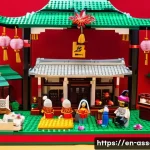
You know, it still blows my mind how a simple plastic brick from Denmark has literally built its way into every corner of the globe. I’ve always been fascinated by how LEGO manages to capture the essence of so many different cultures and bring them to life through their sets.
It’s not just about replicating famous landmarks anymore; we’re seeing deep dives into local traditions, iconic figures, and even entirely new themes that speak directly to communities worldwide.
Just think about the incredible buzz around recent collaborations like the FIFA World Cup 2026 sets or those amazing culturally inspired collections we’ve seen from Asia.
It’s like LEGO has a superpower for connecting us all, one brick at a time, and it truly makes me wonder what cultural marvel they’ll bring us next. It’s a testament to how creativity really can transcend borders and bring people together.
If you’re as curious as I am about how LEGO is doing this and what it means for the future of play and cultural representation, let’s dive deeper below.
Brick by Brick: Weaving Global Stories into Play
You know, it still honestly amazes me how LEGO, this humble toy company, has truly cracked the code on cultural representation. When I first started seeing the really specific, culturally themed sets pop up, I admit, I was a little skeptical.
Could these plastic bricks really capture the intricate beauty and deep meaning of traditions from around the world without simplifying them too much?
But let me tell you, they’ve gone above and beyond. It’s not just about slapping a famous landmark onto a box anymore; we’re talking about deep dives into local folklore, traditional festivals, and iconic moments that genuinely resonate with communities.
I’ve personally experienced the magic of building sets that celebrate everything from vibrant Asian New Year traditions to stunning European architectural masterpieces, and each time, I’m left with a profound sense of awe at the detail and respect shown.
It’s like they’re building bridges, one tiny, colorful piece at a time, connecting us all through the shared language of play and discovery. They’re making history accessible and fun, and that’s a powerful thing, isn’t it?
It truly makes you appreciate the thought and care that goes into each release.
Bringing Landmarks to Life: The Iconic Architecture Series
The LEGO Architecture series has always held a special place in my heart. There’s something so incredibly satisfying about recreating a global icon, brick by brick, right on your desk.
I remember spending countless hours meticulously assembling the Sydney Opera House, feeling like a master architect with every piece I snapped into place.
Then came the Eiffel Tower, the White House, and even the Great Wall of China. Each set isn’t just a model; it’s a miniature history lesson, a testament to human ingenuity and artistry.
You learn about the structural details, the historical significance, and the cultural impact of these buildings in such an engaging way. It’s a fantastic entry point for anyone curious about different cultures, offering a tangible connection to places you might dream of visiting.
For me, these sets are perfect for sparking conversations about global travel and architectural marvels.
Beyond Buildings: Capturing Everyday Cultural Nuances
But it’s not just the grand landmarks that LEGO excels at. What really blows me away is their ability to capture the subtle, everyday nuances of various cultures.
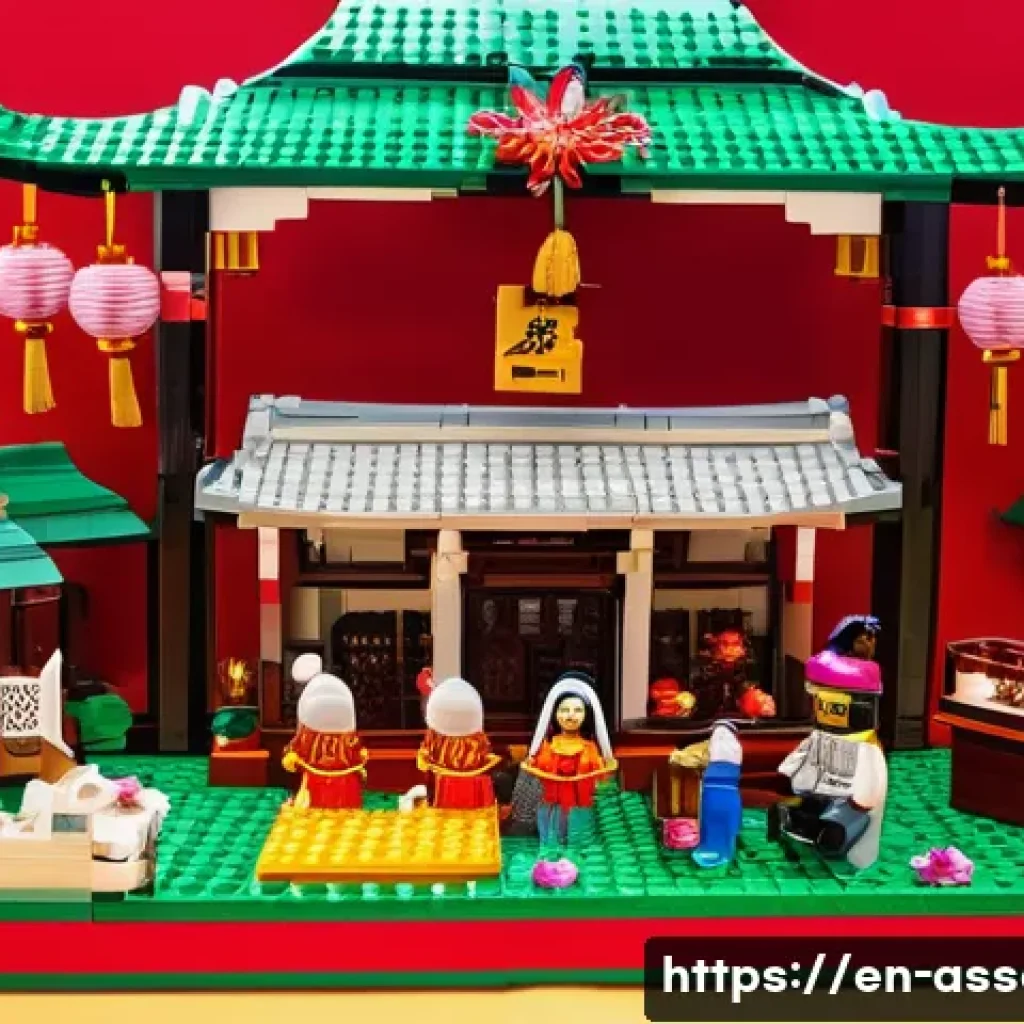
Think about the Lunar New Year sets – the intricate family dinners, the vibrant lion dances, the symbolic red envelopes. These aren’t just pretty models; they’re storytelling masterpieces that transport you right into the heart of a tradition.
I vividly recall the excitement of building one of the early Dragon Dance sets; the colors, the movement, it truly brought a smile to my face, and I felt like I was part of a joyful celebration, even from my living room.
This focus on local festivals, traditional clothing, and even specific animals or plants that hold cultural significance shows a commitment to authenticity that is truly commendable.
It makes these sets incredibly relatable and educational, offering a peek into diverse ways of life.
The Art of Authenticity: LEGO’s Journey into Cultural Depths
Achieving true cultural authenticity in toy design is no small feat, and frankly, I’ve seen many companies fumble this. But LEGO seems to have found the secret sauce.
Their approach isn’t just about surface-level aesthetics; it goes much deeper, often involving extensive research and collaboration with cultural experts, local artists, and community leaders.
I’ve read fascinating interviews with their design teams where they talk about spending months, sometimes even years, immersing themselves in a culture, ensuring every detail, from the color palette to the minifigure expressions, is respectful and accurate.
This meticulous dedication is what truly sets them apart and prevents their sets from feeling like mere caricatures. It’s this genuine effort that builds trust with consumers, making us feel like we’re not just buying a toy, but investing in a piece of thoughtful, culturally rich art.
It’s a testament to how seriously they take their role as a global brand, understanding the immense responsibility that comes with representing diverse traditions to millions of children and adults worldwide.
This deep dive into authenticity contributes massively to the overall richness and appeal of these unique sets.
Collaborations That Speak Volumes
The key to LEGO’s success in this area often lies in their strategic collaborations. It’s not just about internal design; they frequently partner with cultural institutions, artists, and even specific communities to co-create sets that genuinely reflect their heritage.
For example, some of their recent collaborations with artists focusing on Indigenous cultures, or working with historical societies for specific regional sets, really stand out.
These aren’t just one-off projects; they represent a commitment to giving a voice to those who truly understand and live these traditions. I’ve personally been so impressed by how these partnerships translate into sets that feel incredibly genuine and meaningful, avoiding the pitfalls of cultural appropriation that other brands sometimes fall into.
It’s a smart move that ensures accuracy and, more importantly, respect.
From Concept to Creation: Respecting Heritage
The journey from an initial idea to a finished, culturally themed LEGO set is clearly a complex one, fraught with potential missteps. What I’ve gathered from following their releases is that they have incredibly stringent internal processes to ensure cultural sensitivity at every stage.
They’re not just throwing darts at a map and picking a random culture to represent. Instead, there’s a careful vetting process, extensive feedback loops with cultural advisors, and a genuine commitment to depicting things accurately and respectfully.
It’s about more than just avoiding offense; it’s about actively celebrating and honoring diverse heritages. This respect for heritage is palpable in the final product, which is why these sets resonate so deeply with me and so many other builders.
Unboxing Heritage: My Adventures with Culturally Inspired LEGO Sets
There’s something uniquely fulfilling about unboxing a LEGO set that celebrates a culture different from your own, or even your own in a new light. It’s not just the building process; it’s the anticipation, the joy of discovery, and the tangible connection you feel as you bring these intricate designs to life.
I remember vividly the excitement when the Chinese New Year sets first became widely available here in the US. I immediately grabbed one, and as I sorted through the pieces, the vibrant colors and unique minifigure designs just popped.
It was an immersive experience, making me feel like I was right there amidst the festivities. Each culturally inspired set I’ve built has offered a similar journey, transforming my building space into a mini-museum of global traditions.
It’s a fantastic way to introduce children, and even adults, to the beauty and diversity of the world from the comfort of their home. Honestly, these sets are often my go-to gifts for friends and family because they offer so much more than just a toy – they offer an experience and a story.
The Joy of Discovery: What I Learned Building
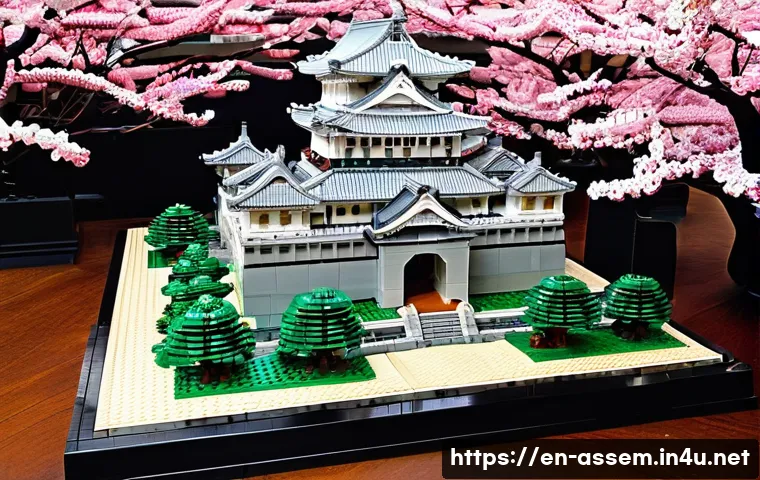
One of the unexpected bonuses of building these sets is the sheer amount of learning that happens almost subconsciously. When I was building the Himeji Castle set, for instance, I found myself looking up details about Japanese feudal architecture and the history of the castle itself.
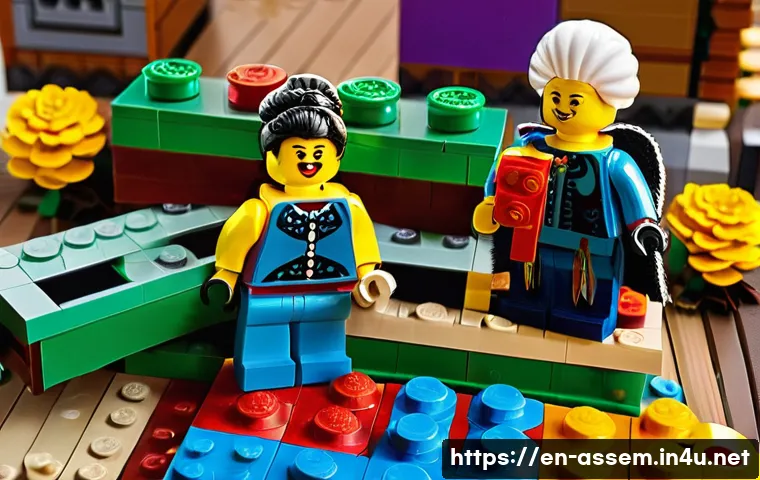
It wasn’t just following instructions; it was an active exploration. Similarly, with the various cultural minifigures they release, I often find myself researching the traditional garments or mythical creatures they represent.
It’s like a mini-ethnography project with bricks! This joy of discovery, the way LEGO subtly nudges you to learn more about the world, is something I truly appreciate.
It transforms passive building into an active educational experience, and that’s something truly special.
A Shared Experience: Connecting Through Bricks
These culturally rich sets also create incredible opportunities for shared experiences. I’ve had friends from different backgrounds visit and instantly gravitate towards a set representing their heritage or a culture they admire.
We end up spending hours talking about the traditions, sharing stories, and bonding over the intricacies of the build. It’s a wonderful conversation starter and a powerful tool for fostering understanding and connection.
For example, I had a friend from Mexico visit, and we spent an entire afternoon building a LEGO set inspired by Día de los Muertos. The stories she shared about her own family traditions while we built were priceless, making the experience so much richer than just assembling plastic pieces.
It really brings people together.
The Global Playground: How LEGO Masters Universal Appeal
It’s truly fascinating to observe how LEGO manages to maintain such universal appeal while simultaneously diving deep into specific cultural narratives.
The secret, I believe, lies in their core philosophy of open-ended play and creativity, which transcends language and cultural barriers. A brick is a brick, no matter where you are in the world, and the joy of creating something with your hands is a universal human experience.
They tap into this fundamental desire for self-expression and combine it with narratives that resonate on a deeper, more personal level. This dual approach allows them to be both globally accessible and deeply relevant to diverse communities.
It’s a balancing act that few companies truly master, but LEGO seems to do it effortlessly, constantly innovating while staying true to its roots. This mastery makes their culturally themed offerings not just novelty items, but integral parts of their broader mission to inspire and develop the builders of tomorrow, everywhere.
The Power of Universal Play
At its heart, LEGO is about play, and play is a universal language. It’s how children learn, how adults unwind, and how creativity blossoms. The beauty of the brick system is its inherent flexibility – you can build anything, from anything.
This fundamental universality means that regardless of your cultural background, the core appeal of LEGO remains the same. The culturally specific sets simply add a layer of richness to this universal experience, providing new themes and stories to explore within that familiar framework.
It’s like having a universal alphabet and then creating endless stories in every language; the tool is constant, but the expressions are infinite and diverse.
Design That Speaks Every Language
LEGO’s design language itself is incredibly intuitive, speaking to people across all demographics. The clear instructions, the vibrant colors, and the tactile nature of the bricks create an engaging experience that doesn’t require words.
When they design a set inspired by a specific culture, they leverage this inherent clarity. The visual storytelling in these sets is so strong that even without reading a single word of explanation, you can often grasp the essence of the tradition or story being depicted.
This visual universality is crucial for their global success, allowing their culturally themed sets to be appreciated and understood by a worldwide audience, fostering a sense of shared humanity and wonder through imaginative construction.
From Childhood Dreams to Cultural Celebrations: The Evolving World of LEGO
Looking back, it’s incredible to see how LEGO has evolved from the simple, colorful bricks of my childhood to the sophisticated cultural storytellers they are today.
Growing up, LEGO was about building castles and spaceships, limited only by my imagination and the contents of my overflowing brick bins. Now, it’s so much more.
It’s a medium for preserving and celebrating global heritage, a tool for education, and even a form of artistic expression. This transformation isn’t just about new product lines; it’s a reflection of a broader societal shift towards valuing diversity and representation.
LEGO has brilliantly responded to this, ensuring that their product range reflects the rich tapestry of the world we live in. It’s not just a toy company anymore; it’s a cultural institution, continuously pushing boundaries and redefining what a plastic brick can truly represent.
This dynamic evolution is genuinely inspiring, showing how a brand can grow without losing its core identity.
More Than Just a Toy: A Cultural Statement
These culturally themed sets often transcend the definition of a mere toy; they become cultural statements. They are displayed proudly in homes, not just as playthings, but as representations of identity, heritage, or appreciation for global diversity.
I’ve seen them in offices, serving as conversation starters, and even in museum gift shops. This elevated status speaks volumes about their impact. They challenge the notion that toys are just for kids, demonstrating that they can be powerful vehicles for cultural understanding and artistic expression, engaging people of all ages in a meaningful way.
It’s truly remarkable how a company known for building blocks has managed to build such profound connections.
Educating Through Engagement: LEGO’s Impact
The educational impact of these sets cannot be overstated. By immersing builders in different cultural contexts, they encourage curiosity and foster a deeper understanding of the world.
It’s a form of experiential learning that is both fun and incredibly effective. Children, through play, learn about geography, history, and social customs, while adults often find themselves researching the real-world inspirations behind their builds.
This blend of entertainment and education is a cornerstone of LEGO’s philosophy, and it’s particularly potent in their culturally focused lines. They’re not just building models; they’re building knowledge and empathy, which I think is a fantastic contribution to global citizenship.
The Secret Sauce: What Makes Culturally Themed LEGO Sets Irresistible?
So, what is it about these culturally themed LEGO sets that makes them so utterly irresistible? For me, it boils down to a magical combination of meticulous detail, compelling storytelling, and that inherent collectibility that LEGO masters so well.
They aren’t just scaled-down versions of real-world objects; they’re thoughtfully designed narratives crafted with an almost artisanal precision. Every brick, every minifigure accessory, every color choice feels deliberate and meaningful, drawing you deeper into the story they’re trying to tell.
It’s this deep level of engagement, the feeling that you’re not just assembling plastic but recreating a piece of history or celebrating a vibrant tradition, that makes them so captivating.
You build them, you display them, and then you share the stories behind them, making them so much more than just a purchase; they become cherished cultural artifacts.
| Set Name (Example) | Key Cultural Inspiration | Approx. USD Price | Notable Features |
|---|---|---|---|
| LEGO Lunar New Year Display (80110) | Chinese New Year traditions (e.g., Spring Festival, Year of the Rabbit) | $89.99 | Two buildable festive scenes, intricate decorations, minifigures in traditional attire. |
| LEGO Himeji Castle (21060) | Japanese architecture, Himeji Castle historical landmark | $159.99 | Detailed exterior and interior, cherry blossom trees, intricate roof designs. |
| LEGO Tales of the Space Age (40687) | Classic sci-fi movie posters, retro space exploration art, different planets | $49.99 | Four buildable, retro-style postcards depicting different planetary scenes. |
| LEGO Creator Expert Modular Buildings (e.g., Assembly Square, 10255) | European/American urban architecture, city life and community | $299.99 | Multi-story buildings with detailed interiors, various shops, and apartments reflecting modern city living. |
The Allure of Intricate Details
If you’ve ever built one of these culturally inspired sets, you know exactly what I’m talking about when I mention intricate details. From the delicate patterns on a minifigure’s kimono to the carefully crafted architectural elements of a historical building, no stone is left unturned.
It’s the small, subtle touches that truly bring these sets to life and make them feel authentic. I’ve often found myself pausing mid-build just to admire a cleverly designed piece or a unique color combination that perfectly captures the essence of a particular cultural artifact.
This level of detail isn’t just visually appealing; it demonstrates a profound respect for the subject matter, and that’s something builders deeply appreciate, adding immense value to the overall experience.
Beyond Collecting: The Value of Narrative
While the collectibility of LEGO sets is undeniable, especially limited-edition cultural releases, their true value often lies beyond simply acquiring them.
It’s the narrative they carry, the stories they tell, and the discussions they spark that make them truly special. Each set is a window into a different world, a tangible piece of storytelling that invites you to learn, explore, and connect.
For me, it’s not just about having the set; it’s about the conversations it ignites, the memories it evokes, and the appreciation it builds for our incredibly diverse planet.
These sets transcend mere plastic; they become vessels of cultural narrative, enriching our lives in ways that few other toys can.
글을마치며
And there you have it, folks! It’s truly been an enlightening journey to explore how LEGO has masterfully woven cultural narratives into their beloved brick system. Reflecting on my own experiences building these incredible sets, from the bustling Lunar New Year celebrations to the serene Japanese castles, I’m consistently struck by the depth of thought and respect that goes into each creation. It’s more than just a toy; it’s a tangible piece of our shared global heritage, inviting us all to learn, connect, and appreciate the vibrant tapestry of human culture, one brick at a time. This continuous evolution from simple playthings to profound cultural statements is what keeps me, and I’m sure many of you, coming back for more, eager to see what beautiful stories they’ll tell next.
알아두면 쓸모 있는 정보
1. Start with What Resonates: When diving into culturally themed LEGO sets, pick one that genuinely sparks your interest or connects with a culture you admire. This personal connection makes the building experience far more engaging and meaningful, almost like a mini-adventure into that heritage. You’ll find yourself learning so much more along the way!
2. Explore Beyond the Box: Don’t just follow the instructions; take a moment to research the real-world inspiration behind your set. I’ve personally discovered fascinating historical facts and cultural nuances just by doing a quick search about the landmark or tradition I’m building. It truly enriches the entire experience.
3. Display and Discuss: These sets are designed to be conversation starters! Once built, display them prominently. I’ve found they open up wonderful dialogues with friends and family about different cultures, sharing stories, and fostering a deeper understanding of our diverse world. It’s like having a little museum piece right in your living room.
4. Connect with the Community: The LEGO fan community is massive and incredibly supportive. Join online forums or social media groups dedicated to culturally inspired builds. You’ll find fellow enthusiasts sharing their unique modifications, display ideas, and even personal stories related to the sets, making the hobby even more rewarding.
5. Consider it an Investment (in Learning!): While some limited-edition sets can appreciate in monetary value, the real return on investment comes from the knowledge and appreciation you gain. These sets are often gateways to understanding complex cultures in a fun, accessible way, offering educational benefits that go far beyond their plastic components.
중요 사항 정리
In wrapping up our deep dive into LEGO’s incredible journey of cultural representation, remember that the brand excels by marrying meticulous detail with compelling storytelling, making each set a true experience. They achieve authenticity through extensive research and collaboration, moving far beyond mere surface-level aesthetics to capture the true essence of global traditions. This dedication creates sets that are not just toys, but powerful educational tools, fostering curiosity and empathy across diverse audiences. Ultimately, LEGO’s mastery lies in its universal appeal, leveraging the timeless joy of building to connect people through shared cultural narratives, proving that play truly is a universal language capable of celebrating the rich tapestry of our world.
Frequently Asked Questions (FAQ) 📖
Q: How does LEGO actually decide which cultures and traditions to feature in their sets? It feels like such a huge undertaking!
A: Oh, that’s a brilliant question, and one I’ve pondered myself many times! From what I’ve observed, and having followed their journey for years, it seems LEGO has a really thoughtful approach.
It’s definitely not a random dart throw. I imagine it starts with a mix of things: sometimes it’s driven by major global events, like the buzz around a huge sporting event or an anniversary that brings a culture to the forefront.
But I also feel a lot of it comes from actively listening to their global community. Think about it – with millions of fans worldwide, they get so much feedback and so many suggestions.
Plus, I bet their design and research teams are constantly exploring diverse traditions, architecture, and stories. I’ve seen them collaborate with local artists and cultural experts, too, which is just fantastic.
It really shows they’re committed to getting it right, bringing an authentic touch to each brick and minifigure. It’s like they’re not just making toys; they’re crafting little pieces of the world for us to build and explore.
Q: Can you give us some standout examples of LEGO sets that have really nailed cultural representation? I’m always looking for new ones to check out.
A: Absolutely! This is where LEGO truly shines, in my opinion. One that immediately springs to mind, and I know it created quite a stir, was the Chinese New Year sets.
The detail, the colors, the storytelling – they weren’t just buildings; they were vibrant celebrations in brick form. You could almost feel the festive energy.
And who could forget the recent FIFA World Cup 2026 concepts we’ve heard whispers about? Imagine building iconic stadiums or even famous moments from the beautiful game!
Those kinds of collaborations are pure gold because they tap into a shared global passion. Beyond that, I’ve personally been captivated by some of their architecture series that feature landmarks from different continents.
It’s not always about a direct cultural theme, but seeing a miniature Sydney Opera House or a bustling Tokyo street scene in LEGO form just connects you to those places in such a unique way.
They’re like little passports to the world, letting us experience a slice of another culture right on our coffee table.
Q: Beyond just making cool models, how do you think LEGO’s cultural sets are actually impacting kids and even adults around the world?
A: That’s the heart of it, isn’t it? It’s so much more than just a toy. For kids, these sets are such a gentle, playful introduction to the vast, diverse world out there.
My own kids, after building a set inspired by a specific tradition, often start asking questions, looking things up, and suddenly, a whole new part of the globe opens up for them.
It sparks curiosity and fosters a sense of global citizenship from a young age, which I think is incredibly important. For adults, myself included, it’s a wonderful way to connect with our own heritage, celebrate cultures we admire, or even rediscover parts of the world we’ve traveled to.
There’s something so powerful about holding a miniature representation of a monument or tradition, meticulously crafted, that just evokes a sense of wonder and appreciation.
It’s a tangible reminder that we’re all part of this incredible human tapestry, and that creativity truly can be a universal language. It genuinely brings people together, one brick at a time, and that’s a beautiful thing.