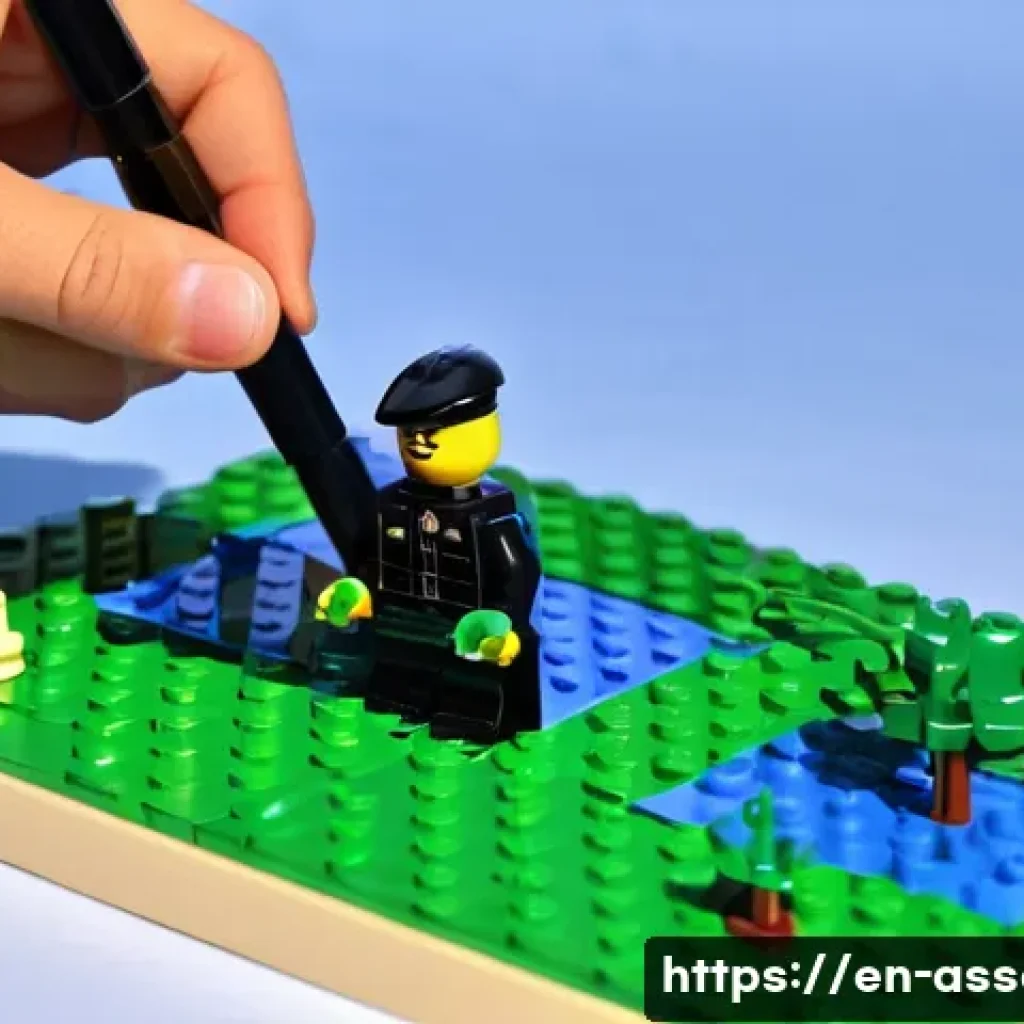
Who else remembers those endless hours spent with LEGO bricks, lost in a world of your own making? There’s just something magical about those colorful plastic pieces, isn’t there?
Now, imagine taking that magic a step further, watching your meticulously built scenes and beloved minifigures actually come to life, moving and telling stories right before your eyes!
That’s the absolute thrill of stop-motion animation with LEGO, and it’s something I’ve personally fallen head over heels for. Forget about needing fancy studios or expensive equipment.
In today’s creative landscape, with incredible advancements in smartphone cameras and user-friendly apps, turning your brick creations into dynamic mini-movies has never been more accessible.
I’ve spent countless weekends bringing my wildest LEGO sagas to the screen, and believe me, the sense of accomplishment you get from seeing your imagination literally play out frame by frame is truly something special.
It’s a fantastic way to express creativity, learn basic filmmaking techniques, and connect with a huge community of fellow builders and animators online.
Whether you’re a parent looking for an engaging project with your kids, a hobbyist seeking a new challenge, or an aspiring creator hoping to share unique stories, this incredible art form offers endless possibilities.
It’s not just a trend; it’s a timeless way to transform static builds into captivating narratives that can even go viral! Ready to discover how you can unleash your inner director and bring those LEGO worlds to vibrant life?
Let’s accurately find out more below!
Unlocking Your Inner Director: The Magic of Moving Bricks
Oh, the sheer joy of seeing your LEGO creations take on a life of their own! It’s an absolutely incredible feeling, almost like you’ve breathed magic into static plastic.
I remember the first time I made a minifigure walk across a tiny LEGO landscape I’d built; it was clunky, sure, but the thrill was undeniable. This isn’t just a hobby; it’s a whole new dimension of creative expression.
What truly sets stop-motion apart is its tactile nature. You’re physically interacting with your set, moving each piece incrementally, and that connection to the physical world of your story makes the final product so much more rewarding.
It’s a fantastic way to develop patience, an eye for detail, and a knack for visual storytelling. Plus, the barrier to entry has practically vanished.
Forget about needing Hollywood-level equipment. My very first “film” was shot on an old smartphone propped up with some books, and I edited it with a free app.
The real magic isn’t in the gear; it’s in your imagination and the dedication to bringing those ideas to the screen. Every tiny adjustment you make is a brushstroke in your animated masterpiece, building momentum frame by painstaking frame until suddenly, your world is alive.
It’s truly empowering to realize you can turn an idea from your head into a tangible, moving story for others to enjoy.
The Allure of the Frame-by-Frame Process
There’s something deeply meditative about the stop-motion process. Each click of the camera, each tiny adjustment of a brick or a character, builds towards a larger narrative.
It’s a dance between precision and patience. I’ve personally found that this meticulous approach helps me to think more critically about pacing, character movement, and how every single element on screen contributes to the overall story.
It teaches you to break down complex actions into their most fundamental parts, transforming a grand idea into a series of manageable, achievable steps.
It’s not just about moving bricks; it’s about understanding motion, gravity (or the illusion of it), and the nuances of expression, even in a plastic face.
Beyond the Toy Box: Why Adults Are Hooked
While LEGO is often associated with childhood, the world of LEGO stop-motion animation transcends age. I know countless adults, myself included, who’ve found a deep, satisfying creative outlet in this art form.
It taps into that primal urge to build, create, and tell stories, but with an added layer of technical challenge and artistic expression. For many of us, it’s a nostalgic journey back to simpler times, combined with the sophisticated tools of today.
It’s a brilliant way to unwind, challenge your brain, and produce something genuinely unique that you can share with friends, family, or even a global audience.
The community online is vibrant, supportive, and full of incredible talent, making it an even more enriching experience.
Gearing Up for Greatness: Essential Tools (Without Breaking the Bank!)
When I first started dabbling in LEGO stop-motion, I was convinced I needed a super expensive DSLR camera, professional lighting, and a fancy animation desk.
Boy, was I wrong! The beauty of this hobby in the modern age is how accessible it’s become. Your smartphone is probably the most powerful tool you already own for this.
Seriously, the cameras on modern phones are absolutely phenomenal, capable of capturing incredible detail and resolution, which is paramount for crisp animation.
Beyond that, the key is stability. A sturdy tripod or a phone stand is non-negotiable. Even the slightest bump between frames can ruin a shot, creating a jarring flicker in your final animation.
I learned that the hard way with a particularly wobbly stack of books in my early days! Proper lighting, while not needing to be professional studio setups, does make a world of difference.
Natural daylight is your friend, but consistent artificial light from a desk lamp with a diffuser can work wonders too. Consistency is the name of the game here to avoid flickering shadows and changing moods in your scene.
Then, of course, you’ll need a great app or software to string all those individual photos together. Many fantastic options exist, from beginner-friendly smartphone apps to more robust desktop programs.
Smart Solutions for Stellar Shots
Let’s talk specifics. For phones, apps like Stop Motion Studio (available on both iOS and Android) are absolute game-changers. They offer onion-skinning (seeing a translucent overlay of the previous frame), which is essential for smooth animation, and they’re incredibly intuitive.
If you’re using a computer, Dragonframe is the industry standard, but it comes with a price tag. However, free alternatives like MonkeyJam or even basic video editing software like DaVinci Resolve (also free!) can be repurposed for stop-motion by importing image sequences.
My personal setup now is a solid phone tripod, two inexpensive LED desk lamps, and the Stop Motion Studio Pro app – it’s powerful enough for professional-looking results without emptying my wallet.
The Unsung Heroes: Stabilizers and Lighting Hacks
Beyond the camera, stabilization is key. A simple phone clamp on a flexible gooseneck stand can give you incredible angles and keep your camera perfectly still.
For lighting, consider using white sheets of paper or thin fabric as diffusers over your lamps to soften harsh shadows. I’ve even used aluminum foil to create reflectors and bounce light into darker areas of my scenes.
The goal is to illuminate your scene evenly and consistently, making sure shadows don’t jump around between frames. Experiment with different light sources and positions; you’ll be amazed at the difference it makes!
Bringing Your Minifigs to Life: Animation Techniques You’ll Love
This is where the real fun begins, transforming those static minifigures and brick creations into dynamic characters and environments! It’s like being a puppet master, but your puppets are made of plastic and your strings are invisible.
The core principle is simple: move a little, shoot a frame, move a little more, shoot another frame. But within that simplicity lies a world of nuanced techniques that can elevate your animation from choppy to silky smooth.
I remember spending hours just trying to get a minifigure to walk naturally – it’s much harder than it looks! Anticipation, follow-through, and overlapping action are all professional animation principles that you can (and should!) apply to your LEGO creations.
Even simple things like slightly bending a minifigure’s knees before they lift a foot, or having their arm swing a little after they stop moving, can add incredible realism and weight to their actions.
It truly brings personality to your plastic cast.
Mastering the Art of Subtle Movement
The secret to smooth animation often lies in minimal movement between frames. Less is more, especially when you’re starting out. Think about how many frames per second (fps) you want your final animation to be.
Most professional stop-motion is shot at 12 or 15 fps, which means you need to take 12 or 15 unique photos for every second of screen time. This can seem daunting, but it forces you to think about breaking down every action into tiny, manageable increments.
For a simple walk cycle, for instance, you’re not just moving a leg; you’re shifting the entire body’s weight, adjusting the head ever so slightly, and perhaps even changing the arm position.
Injecting Personality: Posing and Expressions
Minifigures, with their limited articulation, present a unique challenge and opportunity. You need to be creative with posing to convey emotion and action.
A slight tilt of the head, a subtle adjustment of an arm, or even the placement of props can tell a huge story. Don’t be afraid to exaggerate poses slightly to make them read better on screen.
Think about how characters in cartoons convey emotion with broad, clear movements. You can achieve similar effects with your minifigs. Sometimes, swapping out a minifigure’s head for one with a different expression is the quickest way to convey a dramatic shift in mood, and it’s something I do all the time to keep my characters dynamic and engaging.
Crafting Compelling Narratives: Storytelling Through Plastic
What’s a beautiful animation without a captivating story? For me, the narrative is just as important, if not more so, than the technical perfection of the animation itself.
You’re not just moving bricks; you’re weaving tales, evoking emotions, and building worlds that resonate with your audience. My absolute favorite part of the process is the brainstorming phase, where I sketch out ideas, jot down dialogue (even if it’s just for my own reference), and try to imagine how my LEGO characters would react in different scenarios.
It’s like being a director, writer, and set designer all rolled into one! Don’t feel pressured to create an epic saga right out of the gate. Some of the most charming and effective LEGO stop-motion videos are simple, relatable vignettes – a minifigure trying to bake a cake, or a hilarious mishap at a construction site.
The key is to find a story that genuinely excites you, because that passion will shine through in your finished piece.
Developing Your LEGO-Verse: From Concept to Script
Before you even touch your camera, spend some time on your story. What’s the core idea? Who are your characters?
What do they want, and what obstacles do they face? Even a simple outline can save you hours of re-shooting later. I like to create a storyboard – a series of rough sketches illustrating key scenes and camera angles.
This visual roadmap helps immensely in visualizing the flow of your animation and ensures you don’t miss any crucial shots. Think about character arcs, even for short films.
Does your character learn something? Overcome a challenge? Even a subtle change can make your story more impactful.
The Power of Sound: Adding Audio to Your Animation
Once you have your visuals locked down, adding sound truly brings your animation to life. Background music can set the mood, sound effects can emphasize actions (think brick clinks, crashes, or the satisfying thud of a door closing), and voiceovers or dialogue can give your characters a voice.
There are many royalty-free music and sound effect libraries available online that are perfect for independent creators. I’ve found that even simple ambient sounds, like the rustling of leaves or distant traffic, can drastically improve immersion.
Don’t underestimate the power of a well-placed “thwack” or a whimsical tune to elevate your storytelling.
Overcoming the Obstacles: My Top Troubleshooting Tips
Let’s be real: stop-motion animation can be finicky. You’re dealing with tiny plastic pieces, gravity, and the occasional rogue dust bunny. I’ve had my fair share of frustrating moments – entire scenes getting bumped, lighting suddenly changing, or realizing a crucial prop was missing halfway through a shot.
But these challenges are part of the learning process, and with a few tricks up your sleeve, you can overcome almost anything. The biggest culprit for many new animators is camera shake or inconsistent lighting, leading to that dreaded “flicker” effect.
Believe me, I’ve been there, and it’s soul-crushing to see your hard work marred by a wobbly image! But don’t despair; almost every problem has a solution if you approach it systematically.
Patience truly is a virtue in this art form, and learning to troubleshoot is as much a skill as animating itself.
Tackling the Flicker Factor
Flicker is usually caused by unstable camera positioning or changing light sources. To combat this, always, *always* use a sturdy tripod. If you’re using artificial lights, make sure they’re plugged into a reliable power source and won’t shift.
If you’re relying on natural light, try to shoot on an overcast day or use blackout curtains to control the light coming into your room, then supplement with consistent artificial light.
Sometimes, a software solution in post-production can help smooth out minor flickers, but prevention is always better than cure. I even tape down my tripod legs sometimes just to be absolutely sure!
When Things Go Wrong: Salvaging Your Shots
Even with the best planning, accidents happen. A minifigure might fall, a brick might shift, or a camera setting might accidentally change. Don’t immediately hit delete!
Sometimes, you can “fix” a shot by recreating the exact setup and re-shooting just the problematic frames. If a bump causes a slight shift, try to nudge everything back into place as precisely as possible and continue.
For minor issues, photo editing software can sometimes remove dust or unwanted elements. I’ve learned to take a deep breath, assess the damage, and then systematically figure out the best way to move forward without having to start completely from scratch.
| Common Challenge | My Personal Solution | Why It Works |
|---|---|---|
| Camera Shake/Flicker | Heavy-duty tripod, tape down setup, consistent artificial lighting | Ensures stability and consistent exposure, eliminating jarring visual artifacts. |
| Unstable LEGO Builds | Blue-tac/poster putty, super glue for background elements, heavier bases | Secures pieces in place, preventing accidental shifts during animation. |
| Dust on Set | Air blower (for cameras), soft brush, careful cleaning before shooting | Removes distracting specks that become very noticeable in high-res footage. |
| Inconsistent Movement | Onion-skinning feature in app, practice, shooting reference videos | Provides visual guides for smooth transitions and realistic motion. |
| Creative Block | Watch other animators, take a break, simplify story, brainstorm with friends | Recharges creativity, offers fresh perspectives, and reduces pressure. |
Sharing Your Masterpiece: Finding Your Audience Online
After pouring your heart and soul into creating a LEGO stop-motion animation, the next exciting step is sharing it with the world! There’s an incredible satisfaction that comes from seeing your work appreciated, commented on, and even inspire others.
When I uploaded my first decent animation, the positive feedback from the LEGO stop-motion community online was such a huge boost. It’s not just about getting views; it’s about connecting with like-minded creators, learning from others, and becoming part of a vibrant global community.
Platforms like YouTube, Instagram, and even TikTok have massive audiences hungry for creative content, and LEGO stop-motion often performs incredibly well because it’s visually engaging and appeals to a wide demographic.
YouTube: The Premier Platform for Animators
YouTube remains the undisputed king for video content, and it’s where most LEGO animators find their home. Optimize your video titles and descriptions with relevant keywords like “LEGO stop motion,” “brickfilm,” and the specific themes of your animation (e.g., “Star Wars LEGO animation”).
Create an eye-catching thumbnail that makes people want to click. Engage with comments, respond to questions, and watch other creators’ videos – it’s all part of building a community.
Consistency in uploading, even if it’s just once a month, can also help grow your channel over time.
Instagram and TikTok: Short-Form Storytelling
For shorter, punchier animations or behind-the-scenes glimpses, Instagram Reels and TikTok are fantastic. These platforms thrive on quick, visually appealing content.
Think about creating short, engaging clips – a minifigure doing a quick dance, a funny gag, or a rapid build time-lapse. Use trending audio, relevant hashtags, and collaborate with other creators to expand your reach.
I’ve found that these platforms are excellent for driving traffic back to my longer YouTube videos, acting as a great discovery tool for new viewers.
Beyond the Bricks: Earning From Your Stop-Motion Passion
It might sound like a dream, but turning your LEGO stop-motion hobby into a source of income is absolutely achievable. I never started with the intention of making money, but as my skills grew and my audience expanded, opportunities naturally began to emerge.
It’s incredibly validating to realize that something you love doing can also help pay for new LEGO sets or even contribute to your living expenses. This isn’t just about ads on YouTube, though that’s certainly a part of it.
The creative skills you develop in stop-motion animation – storytelling, visual communication, technical proficiency with cameras and software – are highly valued in the digital age.
Think beyond just making videos; you’re developing a unique skillset that has real-world applications and market value.
AdSense and Affiliate Marketing: Passive Income Streams
Once your YouTube channel grows, AdSense revenue from video views can start to trickle in. While it might not make you a millionaire overnight, it’s a lovely bonus.
Beyond AdSense, consider affiliate marketing. If you use specific equipment (cameras, tripods, software) or even particular LEGO sets in your videos, you can include affiliate links in your descriptions.
When someone buys through your link, you earn a small commission. It’s a win-win: you recommend products you genuinely use and love, and you get rewarded for it.
Commissioned Work and Brand Collaborations
As your portfolio and reputation grow, you might start getting approached for commissioned work. Businesses, independent creators, or even other YouTubers might want you to create custom stop-motion animations for them.
This could range from product showcases to short promotional videos. Brand collaborations are also a fantastic opportunity. Imagine a LEGO-related company wanting you to review their new set in a stop-motion format, or even incorporating their product subtly into one of your stories.
These opportunities often pay much better than passive income streams and allow for greater creative control and collaboration. It’s a fantastic way to blend your passion with professional growth.
Concluding Our Stop-Motion Adventure
And there you have it, fellow creators! What a ride it’s been, exploring the incredible world of LEGO stop-motion animation. From the initial spark of an idea to seeing your bricks dance across the screen, it’s a journey filled with learning, patience, and immense satisfaction. I truly hope this deep dive has ignited your own creative fire, or perhaps given you some fresh ideas to push your current projects even further. Remember, every master began as a beginner, and the most important tool you possess is your boundless imagination. So grab your camera, gather your bricks, and start telling those stories that are just waiting to come alive!
Extra Tips & Tricks for Aspiring Animators
1. Always test your lighting and camera setup before a major shoot. A quick 10-frame test can save you hours of re-shooting due to flickering or poor exposure.
2. Don’t be afraid to experiment with different scales! While minifigures are popular, animating larger LEGO builds or even custom creations can open up new storytelling possibilities and visual appeal.
3. Leverage social media not just for sharing, but for learning. Follow other stop-motion artists, engage with their content, and don’t hesitate to ask questions; the community is usually incredibly supportive.
4. Consider investing in a remote shutter release for your camera or phone. This tiny gadget can drastically reduce camera shake, ensuring your frames are perfectly stable without you having to touch the device directly.
5. Keep a notebook handy for ideas! Inspiration can strike at any moment, and jotting down concepts, character quirks, or even funny dialogue snippets ensures you never lose a potentially brilliant story idea.
Essential Takeaways for Your Animation Journey
Stepping into the world of LEGO stop-motion is an incredibly rewarding endeavor, and while it demands patience and precision, the joy of bringing your plastic creations to life is unparalleled. The most crucial aspect, I’ve found, is understanding that top-tier equipment isn’t a prerequisite for creating compelling content; your smartphone and a steady tripod are more than enough to get started. Focus intensely on consistent lighting and camera stability to banish the dreaded flicker, which can really detract from an otherwise fantastic animation. Furthermore, remember that the heart of any great stop-motion piece lies in its narrative. Spend quality time crafting your story, even if it’s a simple one, because an engaging plot will captivate your audience far more than flawless technical execution alone. Finally, don’t shy away from sharing your work; the vibrant online community is a treasure trove of constructive feedback, encouragement, and potential collaborations that can propel your passion to unexpected heights, possibly even paving the way for exciting monetization opportunities. Embrace the learning curve, celebrate every tiny movement you animate, and most importantly, have an absolute blast telling your unique stories, one brick at a time.
Frequently Asked Questions (FAQ) 📖
Q: What do I absolutely NEED to get started with LEGO stop-motion animation? Do I need a fancy studio or expensive gear?
A: Oh, this is the question I hear most often, and it’s a fantastic one because the answer is truly liberating! Honestly, you really don’t need much to dip your toes into the amazing world of LEGO stop-motion.
Forget about those intimidating pro setups you might see online; when I first started, I literally used my smartphone, a stack of books to prop it up (talk about resourceful!), and whatever lamps I had around the house for lighting.
That’s it! The beauty of today’s tech is that most modern smartphones have incredible cameras, more than capable of capturing the crisp images you’ll need.
My top recommendation, beyond your phone, would be a small, inexpensive phone tripod or stand to keep your camera perfectly still. Trust me, stability is your best friend in stop-motion!
As for software, there are fantastic, user-friendly apps out there, many of them free or very low cost, that guide you through the whole process. So, in a nutshell: your phone, something to hold it steady, and good lighting (even natural light works wonders!).
Don’t let a lack of “professional” gear ever hold you back – your imagination is the most powerful tool you have.
Q: This sounds incredibly fun, but is it really difficult for a beginner to get the hang of? I’m worried about getting overwhelmed!
A: I totally get that feeling! When I first considered trying stop-motion, I felt a huge wave of “How in the world do people do that?!” It looked so intricate and time-consuming.
But here’s the secret: it’s surprisingly accessible, especially with modern apps that do a lot of the heavy lifting. The core concept is simple: take a picture, move your LEGO character or brick slightly, take another picture, and repeat.
The “difficulty” isn’t in complex technical skills, but rather in patience and attention to detail. My very first animation was a wobbly mess, but I learned so much from just playing around.
I found that breaking down my ideas into small, manageable scenes made it less daunting. Start with something super simple, like a minifigure walking across a table, or a brick slowly building itself.
You’ll be amazed at how quickly you pick up the rhythm. Think of it less as a strict technical challenge and more as a delightful puzzle that unlocks boundless creativity.
It’s a journey, not a sprint, and every frame you shoot is a step towards bringing your unique stories to life.
Q: After I’ve poured my heart into creating a LEGO stop-motion video, where’s the best place to share it and connect with other creators?
A: Oh, the moment you finally render that finished video and watch it play through for the first time – that’s pure magic, isn’t it? And sharing that magic is half the fun!
There’s a vibrant, incredibly supportive community out there just waiting to see your creations. My absolute go-to platforms are YouTube and Instagram.
YouTube is fantastic for longer narratives and reaching a broad audience, and I’ve seen so many incredible LEGO animators build huge followings there.
For shorter, more dynamic clips or behind-the-scenes peeks, Instagram and even TikTok are brilliant. The LEGO fan community is also huge on Reddit, with specific subreddits dedicated to LEGO creations and stop-motion.
Don’t forget dedicated stop-motion animation forums too! When you share, use relevant hashtags like #legostopmotion #brickfilm #legophotography and engage with other creators’ posts.
Leave comments, offer encouragement, and you’ll find that feedback loop is not only incredibly rewarding but also an amazing way to learn and refine your skills.
It’s truly inspiring to see what others are building, and it often sparks new ideas for my own projects!