Mind-Blowing Lego Star Wars Fan Creations An Exclusive Review

webmaster

레고 스타워즈 팬 작품 리뷰 - **Prompt:** "A highly detailed, hyper-realistic close-up photograph of a custom-designed LEGO Star W...

Alright, fellow brick enthusiasts and Star Wars fanatics, pull up a chair because we need to talk about something truly epic: the mind-blowing world of LEGO Star Wars fan creations!

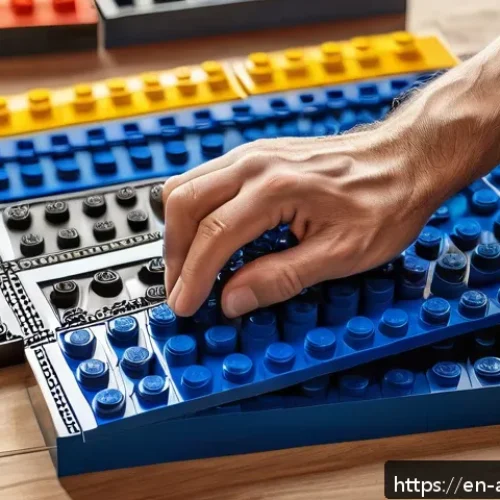
레고 스타워즈 팬 작품 리뷰 관련 이미지 1

Seriously, if you thought official sets were cool, just wait until you see what the incredible global community is building. I’ve been absolutely captivated lately, spending countless hours scrolling through forums and social media, and honestly, my jaw drops almost daily.

The sheer ingenuity and passion on display, from intricate custom minifigures to colossal MOCs (My Own Creations) depicting iconic scenes that LEGO itself hasn’t even touched, is just astounding.

It’s not just about the bricks anymore; it’s about storytelling, advanced building techniques, and even leveraging digital design tools like Stud.io to bring visions to life before the first physical brick is laid.

As new Star Wars content keeps dropping, the well of inspiration for these builders only gets deeper, and the level of detail and complexity I’m seeing is hitting new heights.

Trust me, these aren’t just toys; they’re works of art crafted by dedicated Adult Fans of LEGO, pushing the boundaries of what’s possible with those little plastic bricks.

Let’s delve into the absolute best of them and uncover some hidden gems.

The Art of Custom Minifigures: Beyond the Box

Okay, let’s kick things off with something truly remarkable: the world of custom LEGO Star Wars minifigures. If you’ve ever felt like LEGO missed a crucial character or a specific outfit from a deep-cut scene, you’re not alone. This is where the magic of the customizer comes in. I’ve personally spent hours mesmerized by the incredible detail and artistic talent that goes into these tiny masterpieces. We’re talking about figures that look so legitimate, you’d swear they came straight from Billund. It’s not just about slapping a new head on an existing body; it’s a meticulous process of research, design, and often, intricate hand-painting or decal application. The dedication to accuracy, even for the most obscure background characters, is simply astounding. It really feels like an extension of the storytelling, allowing fans to complete their ultimate Star Wars sagas in plastic form. I remember seeing a custom figure of the entirely forgettable background character from the Mos Eisley Cantina, the one with the strange horn-like instrument, and thinking, “Wow, someone actually cared enough to bring that guy to life!” It’s that level of passion that makes this corner of the hobby so incredibly vibrant and engaging.

Bringing Obscure Characters to Life

One of the most thrilling aspects of custom minifigures is seeing those characters that LEGO would likely never produce themselves. Think about it: how many variations of Luke Skywalker do we really need compared to, say, a highly detailed version of Bib Fortuna’s attendants or some of the more unique aliens from the outer rim? Customizers dive deep into the lore, pulling out characters from comic books, animated series, and even subtle background cameos in the films. They often create multiple versions of the same character to reflect different points in their story arcs, adding an incredible layer of depth to any collection. I’ve seen custom figures that instantly elevate a display, transforming it from a collection of official sets into a truly personalized Star Wars universe. It’s an amazing way to feel more connected to the Star Wars narrative, holding a piece of it that feels uniquely yours and fills in those narrative gaps.

The Craft of Customization: Paint, Decals, and More

The techniques involved in creating these custom figures are truly diverse and often require a significant amount of skill and patience. Many customizers meticulously hand-paint details, using specialized acrylics and tiny brushes to achieve crisp lines and accurate colors. Others prefer working with custom-designed decals, which are essentially tiny stickers that can replicate intricate patterns, insignias, or facial expressions. Then there’s the growing trend of custom molded parts – heads, helmets, or accessories that are 3D-printed or resin-casted to create entirely new elements not available officially. Some even combine these methods, using a custom-molded helmet with hand-painted details and custom decals for the torso. When you hold one of these in your hand, you really appreciate the sheer effort and artistic vision that went into it. It’s like owning a miniature piece of art, custom-tailored to your fan desires, and it truly makes your collection feel unique and personal.

Monumental MOCs: Recreating Iconic Star Wars Moments

Now, let’s talk about the behemoths – the MOCs, or “My Own Creations,” that truly redefine what’s possible with LEGO. These aren’t just small vignettes; we’re talking about sprawling landscapes, meticulously detailed starship interiors, and massive battle scenes that make official Ultimate Collector Series sets look like starter kits. I’ve seen MOCs that depict the Battle of Hoth with hundreds of custom minifigures, AT-ATs, and snowspeeders, all perfectly scaled and incredibly dynamic. The builders often spend hundreds, if not thousands, of hours on these projects, sourcing bricks from all corners of the globe. The sheer scale can be daunting, but the end result is always breathtaking. It’s a testament to patience, engineering skill, and an almost obsessive love for Star Wars. I remember scrolling through a forum and stumbling upon a MOC of the entire opening sequence of A New Hope, with the Tantive IV being pursued by the Star Destroyer, all built to an insane level of detail. My jaw literally dropped. It’s not just building; it’s bringing an entire movie scene to life, frozen in plastic perfection, and the emotional impact of seeing these familiar moments rendered so tangibly is just incredible.

The Scale and Scope of Fan-Built Dioramas

When you encounter a truly epic LEGO Star Wars diorama, it’s not just a collection of bricks; it’s a narrative unfolding before your eyes. These builders don’t just replicate a ship; they build the hanger bay around it, complete with maintenance crews, cargo, and background details that tell their own mini-stories. They often meticulously study film stills and concept art to get every greeble and angle just right. Some of these MOCs are so large they require dedicated display spaces in homes, or are even exhibited at conventions. It’s a logistical challenge as much as a creative one, often involving custom lighting, motorized elements, and innovative building techniques to achieve impossible angles or dynamic poses. The builders aren’t afraid to innovate, using parts in ways LEGO never intended, all to achieve that perfect Star Wars aesthetic. It’s a true exercise in problem-solving and boundless imagination, pushing the boundaries of what these simple bricks can achieve. The scale often adds to the immersive feeling, making you feel like you could almost step into the scene yourself.

Storytelling Through Bricks: Capturing Emotion

Beyond the impressive scale, what really sets these monumental MOCs apart is their ability to capture the emotion and drama of Star Wars. It’s not enough to just build a scene; builders strive to convey the tension of a lightsaber duel, the desperation of a chase, or the quiet grandeur of a Jedi temple. This often involves careful minifigure posing, dynamic composition, and the clever use of color and lighting. I’ve seen MOCs of iconic moments that instantly transport me back to the movies, evoking the same feelings I had watching them for the first time. The storytelling is so powerful that it transcends the plastic medium. It’s about building a moment, not just a structure, and the best MOCs resonate deeply because they tap into that shared emotional connection we all have with the Star Wars universe. It’s a beautiful way to interpret and celebrate the saga, adding a personal touch to beloved stories.

Advertisement

The Digital Frontier: Designing Before Building

If you’re not already familiar with it, let me tell you, the digital age has completely revolutionized the way we approach LEGO building. Gone are the days when you had to painstakingly assemble bricks, only to realize your design was fundamentally flawed. Now, tools like Stud.io and BrickLink Studio let you design your entire MOC on a computer screen before a single physical brick is laid. This has been an absolute game-changer for me. I used to spend so much money buying bricks that I *thought* I needed, only to find they wouldn’t work. Now, I can prototype, iterate, and refine my designs virtually, testing different color schemes and structural integrity without ever touching a physical piece. It’s incredibly efficient and has opened up a whole new world of complex designs that would be too costly or time-consuming to attempt purely physically. The learning curve isn’t even that steep, and the benefits are just immense. It truly feels like building with unlimited virtual bricks, where the only limit is your imagination and computer processing power. Plus, it’s a fantastic way to organize your thoughts and ensure every detail is planned out, which saves a lot of frustration down the line.

Stud.io and BrickLink Studio: Unleashing Creativity

These digital design tools are more than just virtual CAD programs; they’re comprehensive ecosystems for LEGO enthusiasts. With Stud.io, for instance, you have access to virtually every LEGO piece ever made, in every color, all within a user-friendly interface. You can build, render high-quality images of your creations, and even generate a parts list that links directly to BrickLink, making it incredibly easy to order the exact bricks you need. It’s like having an infinite LEGO collection at your fingertips. I’ve personally used it to plan out several MOCs, and the ability to easily undo mistakes, try different configurations, and see realistic renders of my ideas has been invaluable. It takes away so much of the guesswork and allows you to focus purely on the creative aspect, letting your ideas flow without the constraints of physical inventory. The community also shares incredible custom parts and instructions, further expanding what’s possible, and it’s a great way to collaborate with others on larger projects.

Virtual Reality and Collaborative Design

Looking ahead, the potential for digital LEGO design is only growing. Imagine designing your MOCs in a full VR environment, walking around your virtual creation, and manipulating bricks with your hands. Some experimental projects are already exploring this, offering an even more immersive building experience. Beyond that, these digital platforms foster incredible collaboration. Builders from different parts of the world can work on the same virtual MOC, sharing ideas and building sections simultaneously. This collective creativity leads to even more ambitious and complex projects, pushing the boundaries of what a single builder could achieve. It’s not just about efficiency; it’s about connecting a global community of builders and amplifying their collective genius. The future of LEGO building, I believe, is deeply intertwined with these digital innovations, making the hobby more accessible, more collaborative, and more breathtaking than ever before.

The Thriving Community: Where Ideas Ignite

One of the absolute best things about being a LEGO Star Wars fan isn’t just the bricks themselves, but the incredible community that surrounds them. Seriously, I’ve met some of the most passionate, creative, and genuinely kind people through this hobby. It’s a place where ideas aren’t just appreciated, they’re celebrated and often taken to the next level through collective input. Whether it’s online forums buzzing with discussions about new techniques, social media groups sharing daily builds, or even local meetups where you can show off your latest creation, there’s a palpable sense of camaraderie. Everyone is always eager to help, offer advice, or just geek out over a particularly clever parts usage. It’s a truly global phenomenon, and despite the distances, it feels like a really close-knit family. I’ve personally learned so much from other builders, picking up tips and tricks that have dramatically improved my own building skills. It’s a supportive environment where your passion is always understood and encouraged, which is something truly special.

Online Forums and Social Media Hotspots

If you’re looking to dive deeper into the LEGO Star Wars fan community, the internet is your oyster. Forums like Eurobricks and dedicated subreddits are goldmines of information, offering in-depth discussions, MOC showcases, and tutorials from experienced builders. Then there’s the visual feast of Instagram, Flickr, and Facebook groups, where builders share stunning photographs of their creations daily. I spend way too much time scrolling through these feeds, getting inspired and constantly discovering new builders and techniques. It’s not just about passively observing either; it’s an interactive space where you can ask questions, get feedback on your own builds, and even make friends with people who share your specific, niche interests. It feels incredibly validating to share something you’ve worked hard on and receive positive, constructive feedback from people who truly get it. The sheer volume of content and the speed at which new ideas are shared is astonishing.

From Local Meetups to Global Conventions

While online interaction is fantastic, there’s nothing quite like connecting with fellow enthusiasts in person. Local LEGO User Groups (LUGs) are phenomenal for this, offering opportunities to meet up, share builds, and sometimes even collaborate on larger group projects for display. I’ve been to a few LUG meetings, and the energy is just infectious – everyone is so enthusiastic and friendly. And then there are the big conventions, like BrickCon or BrickFair, where the scale of fan-built displays is absolutely mind-boggling. Walking through those halls, seeing thousands of MOCs from builders all over the world, is an experience unlike any other. You get to interact directly with the creators, hear the stories behind their builds, and sometimes even get a peek at upcoming projects. These events are not just showcases; they’re celebrations of creativity and community, reinforcing that global bond we all share as LEGO Star Wars fans. It’s truly an inspiring experience that fuels my passion for building even more.

Advertisement

Monetizing Passion: The Business of Fan Builds

You know, for many years, this was just a hobby, pure and simple. But lately, I’ve noticed a significant shift: more and more talented builders are finding ways to turn their passion for LEGO Star Wars into a legitimate source of income. And honestly, it’s inspiring! It’s not just about selling physical MOCs, which can be logistically challenging due to their size and the cost of parts. We’re seeing a rise in people selling custom building instructions, offering unique custom minifigures, or even creating entire content channels dedicated to the hobby. It really speaks to the depth of the market and the desire of fans to own something truly unique or to learn from the best. I’ve often thought about how I could turn my own building passion into something more, and seeing others succeed in this space is incredibly motivating. It proves that if you have a niche skill and a dedicated audience, there’s always a way to create value. It’s also amazing to see the creativity that goes into the business side, not just the building side.

Selling Custom Instructions and Parts

One of the most popular and accessible ways for builders to monetize their talent is by creating and selling custom building instructions. Using tools like Stud.io, builders can design incredible MOCs and then generate professional-quality instruction manuals, complete with step-by-step guides and parts lists. These can then be sold digitally through platforms like Rebrickable or directly on their own websites. It’s a fantastic way to share your designs with a wider audience and earn a bit of money for your hard work, without having to deal with the logistics of shipping physical bricks. Beyond instructions, there’s a thriving market for custom parts – specialized 3D-printed elements, custom decals, or unique minifigure accessories that aren’t available from LEGO. These fill specific gaps for collectors and builders, allowing them to complete their ultimate visions. I’ve personally bought a few custom instruction sets, and it’s a brilliant way to expand your building experience without having to design everything from scratch yourself. It’s a win-win for everyone involved.

The Rise of LEGO Content Creators

Much like other creative fields, the world of LEGO has seen a massive surge in content creators. We’re talking about YouTubers who review sets, showcase MOCs, and provide building tutorials; Twitch streamers who build live; and bloggers (like me!) who share insights and inspiration. These creators often generate income through ad revenue, sponsorships, merchandise sales, and even Patreon support. They’re building entire brands around their love for LEGO, and it’s fascinating to watch. They not only entertain but also educate and inspire new generations of builders. I’ve learned so much from watching these channels, from advanced building techniques to creative photography tips. It’s a vibrant ecosystem that supports itself, demonstrating just how much demand there is for quality LEGO-related content. It really proves that passion, when combined with consistent effort and quality content, can absolutely translate into a sustainable creative career.

My Personal Favorite Builds and Why They Rock

Alright, let’s get personal for a moment. With literally thousands of incredible LEGO Star Wars fan creations out there, picking favorites is like choosing your favorite child – nearly impossible! But there are a few that have truly stuck with me, designs that I keep going back to, marveling at their ingenuity, scale, or sheer emotional impact. These aren’t just technically brilliant; they resonate on a deeper level, often because they tackle a scene or a vehicle that I personally adore. I often find myself looking at them, dissecting their construction, and thinking, “How did they even think of that?” It’s moments like these that reignite my own building flame and remind me why I love this hobby so much. It’s the unexpected detail, the perfect color choice, or the way a builder managed to capture the essence of a moment with those familiar bricks. It’s those builds that truly stand out and make you feel something beyond just admiration for the craftsmanship. They make you believe in the boundless potential of a simple plastic brick.

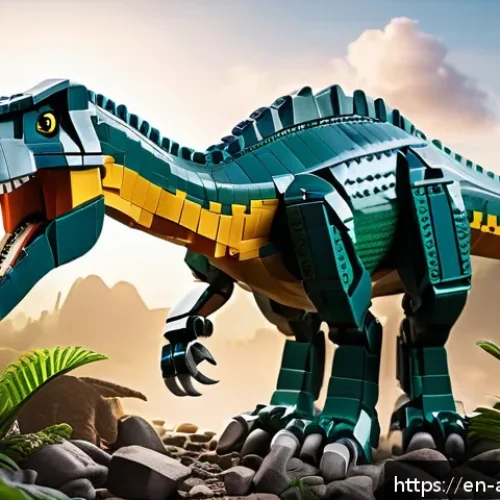
레고 스타워즈 팬 작품 리뷰 관련 이미지 2

A Deep Dive into Unofficial Masterpieces

One MOC that always comes to mind is a massive, meticulously detailed rendition of the Star Destroyer bridge from The Empire Strikes Back. It wasn’t just the scale, which was impressive enough, but the subtle greebling on the walls, the accurately scaled control panels, and the perfectly posed minifigures of Imperial officers that brought the scene to life. Another one that blew me away was a custom UCS-style Millennium Falcon interior, showing every single room from the cockpit to the cargo hold, all built to minifigure scale. The level of detail in that one was just insane, from the holographic Dejarik table to Han’s bunk. It showcased such a deep understanding of the source material and incredible patience. These aren’t just builds; they’re immersive experiences that make you feel like you’re right there in the Star Wars universe, exploring every nook and cranny. They exemplify the passion and dedication that elevates fan creations to true works of art, going far beyond what any official set could ever hope to achieve.

The Hidden Gems You Absolutely Need to See

Beyond the well-known titans, there are countless hidden gems out there that deserve just as much recognition. I’m talking about small, incredibly clever vignettes that capture a perfect moment, or custom minifigures that bring an obscure character to life with breathtaking accuracy. I recently saw a tiny MOC depicting a Jawa sandcrawler interior, crammed with details and perfectly capturing the chaotic nature of their scrap-collecting lives. It wasn’t huge, but every single element was perfectly placed. And then there are the custom vehicles that fill in the gaps in official lore, like a highly detailed fan-made E-wing fighter or a custom Imperial Shuttle variant. These often come from smaller builders who pour their heart and soul into their creations, and discovering them feels like unearthing a treasure. They remind me that inspiration and talent aren’t limited to the big names; they’re everywhere in this vibrant community. It’s all about keeping your eyes open and appreciating the artistry at every scale.

Advertisement

Level Up Your Building: Tips from a Fellow Fan

If you’re feeling inspired by all these incredible creations and want to elevate your own LEGO Star Wars building game, trust me, you’re in good company! I’ve been there, staring at a pile of bricks, feeling overwhelmed, and wondering how these master builders achieve such amazing results. But the truth is, everyone starts somewhere, and with a little guidance and a lot of practice, you can absolutely push your skills to new heights. It’s not about having an endless budget or an engineering degree; it’s about learning fundamental techniques, drawing inspiration from others, and most importantly, having fun with the process. I’ve picked up so many fantastic tips over the years, often through trial and error, but also from the generous advice of fellow enthusiasts. Don’t be afraid to experiment, and definitely don’t be afraid to make mistakes – that’s how we learn and grow. The journey of building is just as rewarding as the final creation itself, and every new technique you master opens up a world of new possibilities.

Essential Resources for Aspiring MOC Builders

Want to get serious about MOC building? There are some absolute must-have resources you should tap into. First and foremost, spend time on BrickLink. It’s not just for buying parts; it’s an incredible database of every LEGO element ever produced, complete with color variations and part numbers. This is crucial for planning your builds and sourcing specific pieces. Second, dive deep into YouTube channels dedicated to LEGO MOC tutorials. You’ll find countless videos on everything from advanced SNOT (Studs Not On Top) techniques to creating realistic landscapes and intricate greebling. Blogs and forums, as I mentioned before, are also goldmines for inspiration and advice. Don’t underestimate the power of simply looking at other people’s MOCs and trying to reverse-engineer their techniques in your mind. The more you immerse yourself in these resources, the faster you’ll pick up new tricks and expand your building vocabulary. It truly is a never-ending learning process, and that’s part of the fun.

Overcoming Creative Blocks and Finding Inspiration

Even the most seasoned builders hit creative blocks – believe me, I’ve been there more times than I can count! When that happens, don’t force it. Sometimes the best thing you can do is step away from the bricks for a bit. Watch a Star Wars movie or show for inspiration, flip through an art book, or simply take a walk. Another fantastic trick is to look at non-LEGO models, like scale models of ships or architectural designs, and think about how you could translate those details into LEGO. I also find inspiration in constraints; sometimes giving yourself a challenge, like “build a micro-scale scene using only 100 pieces,” can spark new ideas. And if all else fails, go back to the basics: rebuild an old set, or simply free-build without a plan. The goal is to reignite that spark, and often, it comes from changing your perspective or giving your mind a chance to wander. Remember, building should be enjoyable, so don’t let a creative block turn it into a chore.

Aspect of Fan Creation What It Encompasses Why It’s Awesome
Custom Minifigures Unique character designs, custom paint, decals, 3D printed accessories. Brings obscure characters to life, personalizes collections, showcases intricate artistry.
MOCs (My Own Creations) Large-scale dioramas, custom vehicles, scenes not officially released by LEGO. Unlimited creativity, epic scale, storytelling through bricks, pushes engineering boundaries.
Digital Design (Stud.io) Virtual building, rendering, parts list generation, instruction creation. Cost-effective prototyping, easy iteration, access to all parts, collaborative potential.
Community & Collaboration Online forums, social media groups, LUGs, conventions. Shared passion, learning new techniques, feedback, global friendships, inspiration.
Monetization Avenues Selling custom instructions, physical MOCs, custom parts, content creation. Turns hobby into income, expands access to unique designs, supports talented builders.

Wrapping Up

Wow, what a journey through the incredible world of LEGO Star Wars fan creations! From the intricate details of custom minifigures that breathe life into obscure characters to the breathtaking scale of monumental MOCs that recreate iconic film moments, it’s clear that this hobby is so much more than just snapping bricks together.

It’s a vibrant tapestry woven with immense passion, boundless creativity, and an incredible sense of community that truly elevates the experience for everyone involved.

What I’ve really felt, time and time again, is that these creations aren’t just plastic models; they’re heartfelt tributes, personal interpretations, and often, stunning works of art that deepen our connection to the Star Wars universe we all cherish.

The dedication, ingenuity, and sheer love poured into every custom piece and every grand diorama is genuinely inspiring, constantly reminding me of the magic that happens when a community comes together to celebrate something truly special.

Advertisement

Good-to-Know Information

1. Dive into Digital Design Early: Seriously, if you’re thinking about building anything beyond a basic set, spending some time with digital design software like Stud.io or BrickLink Studio is an absolute game-changer. I wish I had embraced these tools sooner, as they allow you to prototype your ideas, experiment with different color schemes and structural elements, and refine your entire MOC without spending a single dime on physical bricks. It’s an incredibly efficient way to plan, troubleshoot, and visualize your creations, helping you avoid costly mistakes and ensuring you order exactly the right parts when you’re ready to build for real. Plus, the learning curve is surprisingly gentle, and the ability to instantly generate a parts list for BrickLink makes sourcing components an absolute breeze, transforming what used to be a tedious process into a streamlined part of your creative workflow. Trust me, it unlocks a whole new level of creative freedom and precision that will dramatically improve your building experience.

2. Become an Active Community Member: The LEGO Star Wars community is an absolute treasure trove of knowledge, inspiration, and friendship, and actively participating can genuinely accelerate your growth as a builder. Don’t just lurk in the shadows; share your builds, ask questions, and offer constructive feedback to others. Platforms like Eurobricks, dedicated subreddits, and various Facebook groups are bustling hubs where you’ll find seasoned builders eager to share tips, techniques, and even custom designs. I’ve learned countless invaluable tricks, from advanced SNOT techniques to clever greebling ideas, simply by engaging with fellow enthusiasts. The encouragement and support you receive can be incredibly motivating, and forming connections with like-minded individuals who understand and appreciate your passion is truly one of the most rewarding aspects of this hobby. It’s a fantastic way to stay inspired, learn new skills, and feel like you’re part of something bigger.

3. Master BrickLink for Parts Sourcing: Think of BrickLink not just as a marketplace, but as the ultimate encyclopedia for LEGO parts, and mastering it is crucial for any serious custom builder. This platform allows you to find virtually every LEGO element ever produced, in every color, from sellers all over the world. Learning how to effectively search for specific parts, identify compatible elements, and compare prices across different stores can save you a significant amount of time and money. It’s also incredibly useful for generating wishlists and organizing your inventory for larger MOCs. I’ve personally spent hours meticulously curating my BrickLink wishlists, ensuring I get the best deals on rare or specialized pieces. Understanding its nuances will empower you to source the exact components you need to bring your most ambitious designs to life, ensuring accuracy and detail that might otherwise be impossible with just your existing collection.

4. Embrace Experimentation and Iteration: Don’t be afraid to try new things, even if they seem a bit unconventional at first! The best builders are often those who push the boundaries and aren’t afraid to “break” the rules of traditional LEGO building. Experiment with different colors, textures, and building orientations. If something doesn’t work out, don’t view it as a failure; see it as a learning opportunity. Many of my favorite building techniques came from accidental discoveries or from trying to solve a specific design challenge in an unusual way. The beauty of LEGO is its modularity, allowing for endless iterations and refinements. Build a section, evaluate it, tear it down, and rebuild it better. This iterative process, combined with a willingness to experiment with advanced techniques like SNOT (Studs Not On Top) or creative greebling, is how you truly develop your unique building style and elevate your creations from good to absolutely phenomenal. It’s a continuous journey of discovery, and that’s the real fun of it.

5. Consider Your Audience and Potential Monetization: While passion is undoubtedly the driving force, it’s worth thinking about how your creative endeavors could resonate with a wider audience, and potentially even generate a bit of income. If you’re consistently creating high-quality custom minifigures or detailed MOCs, consider documenting your process and sharing it. This could be through a blog (like this one!), a YouTube channel with building tutorials, or even offering custom building instructions for sale. There’s a genuine market for unique, well-designed fan creations and educational content. Understanding what other fans are looking for, whether it’s obscure characters, detailed dioramas, or simply clever building techniques, can help you tailor your efforts. This doesn’t mean sacrificing your artistic vision, but rather, finding ways to share your talent and passion in a way that provides value to others, potentially turning a beloved hobby into a rewarding side venture or even a full-time creative pursuit. It’s amazing to see how many talented builders are now thriving by monetizing their incredible skills.

Key Takeaways

The world of LEGO Star Wars fan creations is a testament to boundless imagination and a thriving global community. What I’ve truly learned is that this hobby transcends mere toy collecting; it’s an immersive art form where personal passion fuels extraordinary results.

Whether you’re customizing a single minifigure or constructing an epic MOC, the journey is filled with discovery, learning, and immense satisfaction. The digital tools available today make complex designs more accessible than ever, and the supportive community ensures that every builder, from novice to master, has a place to share, learn, and grow.

Ultimately, it’s about celebrating the stories and characters we love, transforming simple plastic bricks into tangible expressions of creativity and connecting with others who share that incredible spark.

So, keep building, keep dreaming, and keep sharing your unique vision – the galaxy is truly your oyster!

Frequently Asked Questions (FAQ) 📖

Q: I’m constantly blown away by these incredible fan-made LEGO Star Wars creations! What exactly are “MOCs” and how do these builders even begin to imagine and construct such mind-blowing designs?

A: Oh, I totally get that feeling! When I first stumbled upon the MOC scene (that’s “My Own Creation,” by the way, and it’s the heart and soul of custom LEGO building), my jaw was practically on the floor.
It felt like a whole new universe opened up beyond the official sets. Honestly, the creativity is just boundless. From my experience talking to so many talented builders and even trying my hand at a few small projects, it really starts with a spark of inspiration, just like any art form.
Maybe it’s a specific scene from a movie, a unique character, a starship that never got an official set, or even just a cool architectural detail they saw somewhere.
Once that idea takes hold, many builders I know, especially for larger, more intricate pieces, dive into digital design first. Programs like Stud.io or BrickLink Studio are absolute game-changers.
You can virtually assemble bricks, experiment with colors, and plan out complex structures piece by piece without even touching a physical brick. It’s fantastic for testing ideas and catching issues before you commit to buying hundreds of specific parts.
Then, for the actual build, it’s a mix of advanced techniques – things like SNOT (Studs Not On Top) to get smooth, detailed surfaces, or cleverly integrating different piece types to achieve unique shapes.
It’s a process of trial and error, iteration, and a whole lot of passion. Sometimes you build something, take it apart, and rebuild it three times until it feels just right.
That dedication is what truly makes these MOCs sing.

Q: These creations sound amazing! Where can I actually find these LEGO Star Wars fan creations and connect with the incredibly talented people behind them? I’d love to explore more and maybe even get some inspiration for my own builds.

A: That’s a fantastic question, and trust me, once you start looking, you’ll find these communities are everywhere! It’s like a secret club, but one that’s super welcoming.
For a visual feast, Instagram is an absolute goldmine. Just search for hashtags like
Beyond Instagram, I’ve personally spent countless hours on Reddit, especially on subreddits like r/lego and r/legostarwars.
The community there is incredibly active, and people are always sharing MOCs, asking for advice, and discussing new techniques. For more in-depth discussions and technical insights, forums like Eurobricks have been a cornerstone of the AFOL community for years.
You’ll find detailed build logs, reviews, and a wealth of knowledge from seasoned builders. And for those looking to maybe even buy instructions or custom parts, places like BrickLink’s MOC Shop are brilliant.
It’s truly inspiring to see how builders interact, offer constructive feedback, and celebrate each other’s work. Jump in, say hello, and prepare to be amazed!

Q: I’m feeling inspired to try building my own custom LEGO Star Wars MOC, but it seems a bit overwhelming. Do you have any tips or advice for a beginner like me on how to get started?

A: Absolutely! It’s completely normal to feel a little overwhelmed at first; I certainly did! The key is to just jump in and not worry about creating a masterpiece right away.
My biggest piece of advice is to start small. Don’t try to build the next UCS-scale Star Destroyer on your first go. Maybe pick a small speeder, a custom minifigure accessory, or a tiny vignette of a scene you love.
Another great way to kick things off is to modify an existing set. Take an official LEGO Star Wars set you own and think, “How could I make this better?
How could I add more detail or change something I don’t quite like?” It’s a fantastic way to learn new building techniques and get comfortable with part selection without the pressure of starting from scratch.
Don’t be afraid to disassemble and experiment. That’s where the real learning happens. Grab a handful of bricks and just see what shapes you can make.
Watch YouTube tutorials from experienced MOC builders – there are so many fantastic creators sharing their knowledge. Most importantly, have fun with it!
It’s a creative outlet, so enjoy the process, learn from every build (even the ones that don’t quite work out), and share your progress with the community.
You’ll be surprised how quickly your skills grow!

Advertisement